Phosphorylated Antibodies
Phospho-GSK3β-Y216 + GSK3α-Y279 Rabbit Polyclonal Antibody for WB, ELISA - P49841
Item Number : CM0001216
Price varies based on specs and customizations
- Application
- WB, ELISA
- Cross Reactivity
- Human
- Protein Weight
- 47kDa

Shipping:
Contact us to get shipping details Enjoy On-time Dispatch Guarantee.
Why Choose Us
Easy ordering process, quality products, and dedicated support for your business success.
Core Product Specifications and Parameters
| Parameter | Value |
|---|---|
| Product Name | Phospho-GSK3β-Y216 + GSK3α-Y279 Rabbit pAb |
| Remarks/Alias | GSK3B; gsk-3β; Phospho-GSK3β-Y216 + GSK3α-Y279 |
| Species | Human |
| Gene ID (Human) | 2931/2932 |
| Gene ID | 2931/2932 |
| Immunogen | A synthetic phosphorylated peptide around Y216 of human GSK3β (NP_001139628) |
| Source | Rabbit |
| Category | Phosphorylated Antibodies |
| Application | WB, ELISA |
| Cross Reactivity | Human |
| SWISS | P49841 |
| Protein Weight | 47kDa |
| Shipping | Ice bag |
Biological Background: Glycogen Synthase Kinase-3 Beta Function and Localization
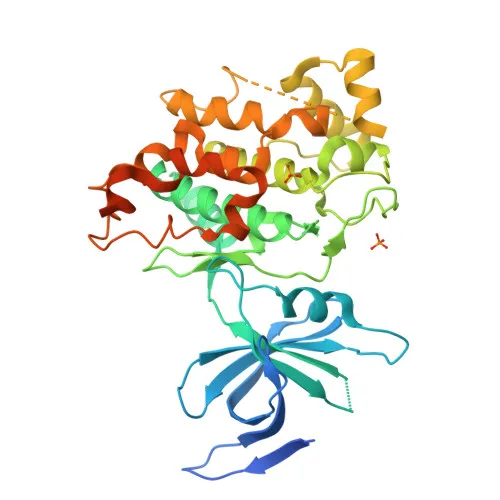
- Glycogen synthase kinase-3 beta (GSK3B) is a constitutively active serine/threonine kinase encoded by the GSK3B gene, with a molecular weight of ~47 kDa.
- In the Wnt signaling pathway, GSK3B forms a destruction complex with APC, AXIN1, and CTNNB1, phosphorylating beta-catenin to promote its ubiquitin/proteasome-mediated degradation. Related references: PMID:12554650
- Constitutively active GSK3B inhibits glycogen synthase (GYS1/GYS2) and initiation factor 2B (EIF2B5), regulating glycogen synthesis and protein translation, and may contribute to insulin resistance. Related references: PMID:8397507
- Phosphorylates MAPT/TAU at Thr-548, impairing its microtubule-stabilizing function and contributing to neurofibrillary tangle formation in Alzheimer disease; it colocalizes with TAU in AD brain. Related references: PMID:14690523
- Subcellular localization includes the cytoplasm, nucleus, and cell membrane, reflecting its diverse signaling roles.
- Expressed predominantly in testis, thymus, prostate, and ovary, with weaker expression in lung, brain, and kidney.
- Additional regulatory roles include phosphorylation of transcription factors (JUN, NFATC1) to modulate gene expression, circadian clock components (BMAL1, CLOCK, PER2) to regulate rhythmicity, and KAT5/TIP60 to promote autophagy. Related references: PMID:1846781, PMID:9072970, PMID:19946213, PMID:28903391, PMID:30704899
Experimental Guidance and Technical Tips
- Consider including phosphatase inhibitors in lysis buffers to preserve phosphorylation status during sample preparation.
- Validate antibody specificity using phosphorylated versus non-phosphorylated peptide competition assays.
- For western blot, expect a band around 47 kDa for GSK3β; additional bands near 51 kDa may correspond to phosphorylated GSK3α, depending on sample context.
- When performing ELISA, test the antibody against both the immunogen peptide and full-length phosphorylated protein to confirm recognition.
- As cross-reactivity is reported for human, validate performance in the relevant human-derived cell lines or tissue lysates.
CamelBio: Your One-Stop Sourcing Bridge
CamelBio supports diagnostic manufacturers and research labs with validated IVD raw materials for kinase signaling and neurodegenerative disease biomarkers. This phospho-specific GSK3 antibody complements our portfolio of optimized monoclonal/polyclonal antibodies, bulk ancillary reagents, and rare-target sourcing services. From concept to clinic, CamelBio accelerates your assay development with reliable raw-material supply.
REQUEST A QUOTE
Our professional team will reply to you within one business day. Please feel free to contact us!