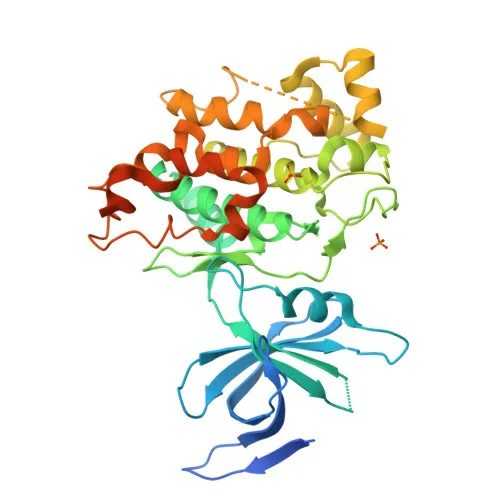
Phosphorylated Antibodies
Phospho-GSK3β-S9 Rabbit mAb for WB, IHC-P, ELISA - P49841
Item Number : CM0001592
Price varies based on specs and customizations
- Application
- WB, IHC-P, ELISA
- Cross Reactivity
- Human
- Protein Weight
- 47 kDa

Shipping:
Contact us to get shipping details Enjoy On-time Dispatch Guarantee.
Why Choose Us
Easy ordering process, quality products, and dedicated support for your business success.
Core Product Specifications and Parameters
| Parameter | Value |
|---|---|
| Product Name | Phospho-GSK3β-S9 Rabbit mAb |
| Remarks/Alias | GSK3B; gsk-3β; Phospho-GSK3β-S9 |
| Species | Human |
| GeneID (human) | 2932 |
| GeneID | 2932 |
| Immunogen | Synthetic Peptide: A synthetic phosphorylated peptide around S9 of human GSK3 beta (P49841) |
| Source | Rabbit |
| Category | Phosphorylated Antibodies |
| Application | WB, IHC-P, ELISA |
| Cross Reactivity | Human |
| SWISS | P49841 |
| Protein Weight | 47 kDa |
| Shipping | Ice bag |
Biological Background: Glycogen Synthase Kinase-3 Beta Function and Localization
- Glycogen synthase kinase-3 beta (GSK3B) is a constitutively active serine/threonine kinase that acts as a negative regulator in hormonal control of glucose homeostasis, Wnt signaling, and regulation of transcription factors and microtubules.
- In skeletal muscle, GSK3B phosphorylates and inhibits glycogen synthase (GYS1), mediating insulin regulation of glycogen synthesis and contributing to the development of insulin resistance. Related references: PMID:8397507
- As a core component of the Wnt pathway, GSK3B forms a destruction complex with APC, AXIN1, and CTNNB1, phosphorylating beta-catenin to promote its ubiquitin‑mediated degradation. Related references: PMID:12554650
- GSK3B phosphorylates tau (MAPT) on Thr-548, reducing tau’s microtubule‑stabilizing ability; hyperphosphorylated tau is a hallmark of neurofibrillary tangles in Alzheimer disease. Related references: PMID:14690523
- The protein localizes to the cytoplasm, nucleus, and cell membrane. It is expressed in testis, thymus, prostate, ovary, and weakly in lung, brain, and kidney; it colocalizes with EIF2AK2/PKR and tau in Alzheimer disease brain.
- GSK3B also phosphorylates transcription factors (JUN, NFATC1), circadian clock components (BMAL1, CLOCK, PER2), and autophagy regulators (KAT5/TIP60), underscoring its broad regulatory roles. Related references: PMID:1846781, PMID:9072970, PMID:19946213, PMID:28903391, PMID:30704899
- The protein undergoes extensive regulatory modifications, including phosphorylation, ubiquitination, and palmitoylation, consistent with its listing as a phosphoprotein in UniProt.
Experimental Guidance and Technical Tips
- For Western blot, validate the expected 47 kDa band using appropriate controls such as phosphatase‑treated lysates or blocking peptides to confirm phospho‑specificity.
- In immunohistochemistry of paraffin‑embedded tissues, optimize antigen retrieval conditions and validate staining in relevant human tissues (e.g., brain, skeletal muscle, or tumor sections).
- When performing ELISA, consider pairing with a total GSK3β antibody to normalize phosphorylation signals across samples.
- Cross‑reactivity with species other than human has not been determined; independent verification is recommended if applying to non‑human samples.
CamelBio: Your One‑Stop Sourcing Bridge
CamelBio connects diagnostic manufacturers, laboratories, and research institutes with high‑quality IVD raw materials like this Phospho‑GSK3β‑S9 Rabbit mAb, targeting Wnt signaling, metabolic disorders, and neurodegeneration research. We streamline your development with validated antibody pairs, bulk ancillary reagents, and customized sourcing for rare targets, providing a seamless procurement experience from concept to clinic.
REQUEST A QUOTE
Our professional team will reply to you within one business day. Please feel free to contact us!