Phosphorylated Antibodies
Phospho-Ezrin-T567 Rabbit pAb for WB - P15311
Item Number : CM0001107
Price varies based on specs and customizations
- Application
- WB
- Cross Reactivity
- Human, Mouse, Rat
- Protein Weight
- 69kDa

Shipping:
Contact us to get shipping details Enjoy On-time Dispatch Guarantee.
Why Choose Us
Easy ordering process, quality products, and dedicated support for your business success.
Core Product Specifications and Parameters
| Parameter | Value |
|---|---|
| Product Name | Phospho-Ezrin-T567 Rabbit pAb |
| Remarks/Alias | CVL; CVIL; VIL2; HEL-S-105; Phospho-Ezrin-T567 |
| Species | Human |
| GeneID (Human) | 7430 |
| GeneID | 7430 |
| Immunogen | Synthetic peptide: A phospho specific peptide corresponding to residues surrounding T567 of human Ezrin |
| Source | Rabbit |
| Category | Phosphorylated Antibodies |
| Application | WB |
| Cross Reactivity | Human, Mouse, Rat |
| SWISS | P15311 |
| Protein Weight | 69kDa |
| Shipping | Ice bag |
Biological Background: Ezrin Function and Localization
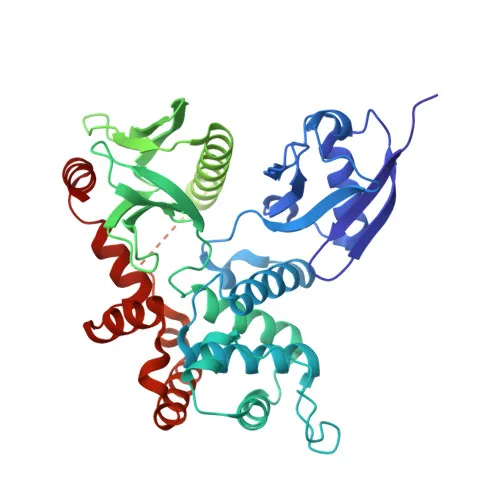
- Ezrin (also known as Cytovillin, Villin-2, p81) is a ~69 kDa cytoskeletal linker protein encoded by the EZR (VIL2) gene.
- It functions as a critical connector between the plasma membrane and the actin cytoskeleton, playing an essential role in the formation of epithelial microvilli and membrane ruffles at the apical cell surface.
- Together with the guanine nucleotide exchange factor PLEKHG6, ezrin is required for normal macropinocytosis, a process of non-selective fluid-phase endocytosis.
- Subcellularly, ezrin localizes to the apical cell membrane, microvillus and ruffle membranes, as well as the cell cortex and cytoskeleton, reflecting its dynamic role in membrane-cytoskeleton remodeling.
- Tissue expression is prominent in the microvilli of intestinal epithelial cells and preferentially in astrocytes of the hippocampus, frontal cortex, and other brain regions; it is weakly expressed or absent in neurons of most tissues studied.
- Post-translational modifications include phosphorylation (a hallmark of its activation), acetylation, and S-nitrosylation, all contributing to its regulatory versatility in cellular processes such as cell shape maintenance, adhesion, and signaling.
Experimental Guidance and Technical Tips
- Since this antibody is phospho-specific (T567), ensure thorough inhibition of phosphatases during cell/tissue lysis (e.g., using phosphatase inhibitor cocktails) to preserve the phosphorylation signal.
- For Western blot, a band at approximately 69 kDa is expected; consider using a positive control such as pervanadate-treated cells to verify phospho-specificity.
- To confirm the phospho-dependence of the signal, treat samples with lambda protein phosphatase or perform peptide competition assays with the non-phosphorylated immunogen peptide.
- While optimized for human samples, the reported cross-reactivity with mouse and rat suggests high sequence conservation; validate the antibody in your specific model system using relevant controls.
- This antibody is recommended for Western blot (WB) only; its performance in other applications (e.g., IHC, IF, IP) has not been assessed and would require further validation.
CamelBio: Your One-Stop Sourcing Bridge
CamelBio serves as a comprehensive sourcing partner for diagnostic manufacturers and research laboratories, offering a broad catalog of high-quality IVD raw materials and custom reagent solutions. For cytoskeletal research and cell biology applications, we provide validated primary antibodies like this phospho-ezrin (T567) antibody, alongside optimized ancillary reagents and bulk ordering options. Whether you need monoclonal antibody pairs, recombinant proteins, or rare-target raw materials, CamelBio streamlines your supply chain from concept to clinic.
REQUEST A QUOTE
Our professional team will reply to you within one business day. Please feel free to contact us!