Phosphorylated Antibodies
Phospho-EPHA2-S897 Rabbit Monoclonal Antibody for WB, IF/ICC, ELISA - P29317
Item Number : CM0001293
Price varies based on specs and customizations
- Application
- WB, IF/ICC, ELISA
- Cross Reactivity
- Human, Mouse
- Protein Weight
- 108kDa

Shipping:
Contact us to get shipping details Enjoy On-time Dispatch Guarantee.
Why Choose Us
Easy ordering process, quality products, and dedicated support for your business success.
Core Product Specifications and Parameters
| Parameter | Value |
|---|---|
| Product Name | Phospho-EPHA2-S897 Rabbit mAb |
| Remarks/Alias | ECK; CTPA; ARCC2; CTPP1; CTRCT6; Phospho-EPHA2-S897 |
| Species | Human |
| GeneID | 1969 |
| Immunogen | Synthetic peptide: A synthetic phosphorylated peptide around S897 of human EPHA2 (NP_004422.2) |
| Source | Rabbit |
| Category | Phosphorylated Antibodies |
| Application | WB, IF/ICC, ELISA |
| Cross Reactivity | Human, Mouse |
| SWISS | P29317 |
| Protein Weight | 108kDa |
| Shipping | Ice bag |
Biological Background: EPHA2 Function and Localization
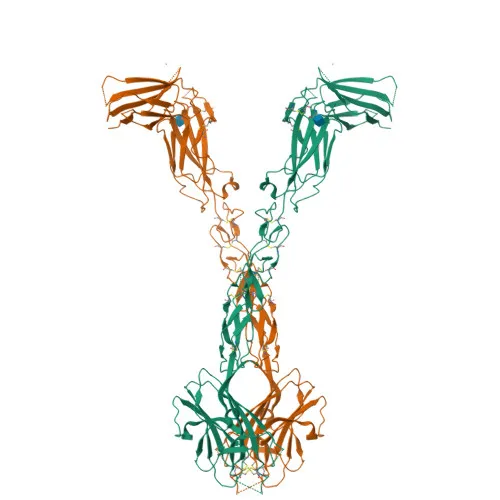
- EPHA2 (Ephrin type-A receptor 2) is a receptor tyrosine kinase encoded by the EPHA2 gene in human, producing multiple isoforms via alternative splicing (UniProt: P29317).
- Upon binding ephrin-A ligands on adjacent cells, EPHA2 mediates contact-dependent bidirectional signaling: forward signaling through the receptor and reverse signaling through the ligand.
- It regulates diverse cellular processes including cell adhesion, migration, proliferation, and differentiation, partly by inhibiting the ERK1/ERK2 (MAPK3/MAPK1) signaling pathway.
- EPHA2 plays critical roles in developmental processes such as angiogenesis, hindbrain development, mammary gland branching morphogenesis, and lens fiber cell organization and transparency.
- Subcellularly, EPHA2 localizes to the cell membrane, particularly at ruffle and lamellipodium membranes, and at cell junctions and focal adhesions.
- In pathological contexts, EPHA2 functions as a host cell receptor for hepatitis C virus (HCV) entry in hepatocytes and for human cytomegalovirus (HCMV) entry in glioblastoma cells.
- The protein is heavily post-translationally modified, including phosphorylation, glycosylation, and ubiquitination; phosphorylation at S897 is a key regulatory site in signaling and downstream functions.
Experimental Guidance and Technical Tips
- As a phospho-specific antibody, its reactivity depends on the phosphorylation status of S897; validate specificity by comparing signals between stimulated/unstimulated or phosphatase-treated samples.
- For Western blotting, consider using mild stripping protocols if reprobing for total EPHA2, as harsh conditions may affect the phospho-epitope.
- In immunofluorescence, optimize fixation and permeabilization conditions to preserve the phospho-epitope; testing with known positive controls is recommended.
- While the antibody is validated for human and mouse, cross-reactivity with other species should be verified if needed.
CamelBio: Your One-Stop Sourcing Bridge
CamelBio provides diagnostic manufacturers and research labs with comprehensive access to IVD raw materials, including validated antibody pairs, high-performance monoclonal antibodies, bulk ancillary reagents, and rare-target sourcing. For EPHA2-related assays, we offer a one-stop solution from concept to clinic, supporting development of diagnostic tests for cancer, infectious disease, and cell signaling research. Our integrated supply chain ensures consistent quality and scalable delivery of critical raw materials.
REQUEST A QUOTE
Our professional team will reply to you within one business day. Please feel free to contact us!