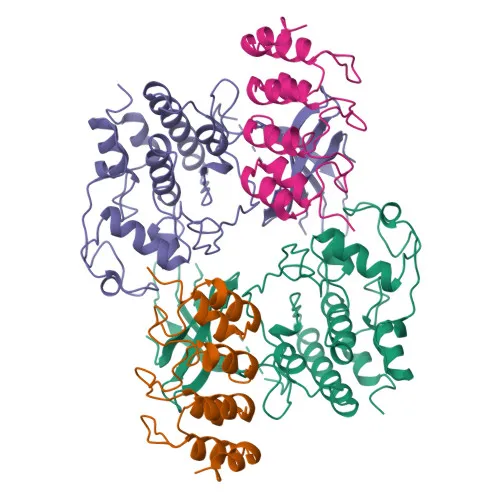
Phosphorylated Antibodies
Phospho-CDK6-Y13 Rabbit pAb - Q00534
Item Number : CM0001833
Price varies based on specs and customizations
- Application
- WB, IF/ICC, ELISA
- Cross Reactivity
- Human, Mouse
- Protein Weight
- 37kDa

Shipping:
Contact us to get shipping details Enjoy On-time Dispatch Guarantee.
Why Choose Us
Easy ordering process, quality products, and dedicated support for your business success.
Core Product Specifications and Parameters
| Parameter | Value |
|---|---|
| Product Name | Phospho-CDK6-Y13 Rabbit pAb |
| Remarks/Alias | MCPH12; PLSTIRE; Phospho-CDK6-Y13 |
| Species | Human |
| Gene ID | 1021 |
| Immunogen | Synthetic peptide: A synthetic phosphorylated peptide around Y13 of human CDK6 (NP_001250.1). |
| Source | Rabbit |
| Category | Phosphorylated Antibodies |
| Application | WB, IF/ICC, ELISA |
| Cross Reactivity | Human, Mouse |
| SWISS | Q00534 |
| Protein Weight | 37kDa |
| Shipping | Ice bag |
Biological Background: CDK6 Function and Localization
- Cyclin-dependent kinase 6 (CDK6), also known as cell division protein kinase 6 or serine/threonine-protein kinase PLSTIRE, is a member of the cyclin-dependent kinase family and a key regulator of cell cycle progression.
- CDK6 forms complexes with D-type cyclins during G1 phase to phosphorylate the retinoblastoma protein (pRB/RB1), promoting the G1/S transition and entry into the cell cycle.
- Beyond cell cycle control, CDK6 influences differentiation by preventing myeloid differentiation (via RUNX1 interference) while promoting proliferation of specific hematopoietic progenitors, and delays cellular senescence.
- The kinase is widely expressed but accumulates in proliferating hematopoietic progenitor cells, squamous cell carcinomas, pancreatic islet beta-cells, and neuroblastomas; levels decrease during differentiation.
- Subcellularly, CDK6 localizes to the cytoplasm and nucleus, and is also found at the centrosome, cell ruffles, and the cytoskeleton, consistent with reported roles in centrosome organization. Related references: PMID:23918663
- CDK6 is a phosphoprotein subject to regulatory phosphorylation; acetylation has also been reported, and mutations in CDK6 are associated with primary microcephaly, highlighting its importance in neurogenesis.
Experimental Guidance and Technical Tips
- This antibody was raised against a synthetic phosphorylated peptide around Y13; therefore, it specifically detects CDK6 when phosphorylated at tyrosine 13. For western blot, consider treating cell lysates with lambda phosphatase to confirm phosphorylation-dependent signal.
- For immunofluorescence or ICC, permeabilization is required to access intracellular and nuclear CDK6. Validate staining patterns (cytoplasmic, nuclear, centrosomal) in the relevant cell type.
- The antibody cross-reacts with mouse CDK6, enabling use in mouse models. Always include species-appropriate positive and negative controls to verify specificity.
CamelBio: Your One-Stop Sourcing Bridge
CamelBio offers research and diagnostic manufacturers a streamlined sourcing pathway for validated IVD raw materials, including this phosphorylation-specific CDK6 antibody for cell cycle and oncology research. Beyond individual antibodies, our portfolio covers matched antibody pairs, bulk ancillary reagents, and custom sourcing for rare targets, supporting your development from concept to clinic with reliable supply and technical consultation.
REQUEST A QUOTE
Our professional team will reply to you within one business day. Please feel free to contact us!