Phosphorylated Antibodies
Phospho-CDK1-T14 Rabbit mAb for WB, ELISA - P06493
Item Number : CM0001634
Price varies based on specs and customizations
- Application
- WB, ELISA
- Cross Reactivity
- Human, Mouse
- Protein Weight
- 34 kDa

Shipping:
Contact us to get shipping details Enjoy On-time Dispatch Guarantee.
Why Choose Us
Easy ordering process, quality products, and dedicated support for your business success.
Core Product Specifications and Parameters
| Parameter | Value |
|---|---|
| Product Name | Phospho-CDK1-T14 Rabbit mAb |
| Remarks/Alias | CDC2; CDC28A; P34CDC2; Phospho-CDK1-T14 |
| Species | Human |
| GeneID (Human) | 983 |
| GeneID | 983 |
| Immunogen | A synthetic phosphorylated peptide around T14 of human CDK1 (NP_001777.1) |
| Source | Rabbit |
| Category | Phosphorylated Antibodies |
| Application | WB, ELISA |
| Cross Reactivity | Human, Mouse |
| SWISS | P06493 |
| Protein Weight | 34 kDa |
| Shipping | Ice bag |
Biological Background: CDK1 Function and Localization
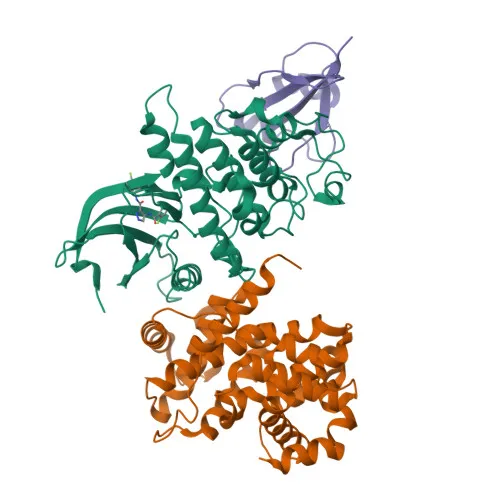
- Cyclin-dependent kinase 1 (CDK1), also known as CDC2, CDC28A, or P34CDC2, is a master regulator of the eukaryotic cell cycle.
- Plays a key role in controlling the G2-M transition by associating with cyclins and phosphorylating numerous substrates essential for mitosis, including proteins involved in centrosome separation, nuclear envelope breakdown, and chromosome condensation (PubMed:16407259, PubMed:16933150, PubMed:17459720). Related references: PMID:16407259 PMID:16933150 PMID:17459720
- Phosphorylates lamins (LMNA, LMNB1, LMNB2) at the onset of mitosis, triggering nuclear envelope disassembly (PubMed:2188730, PubMed:2344612, PubMed:37788673). Related references: PMID:2188730 PMID:2344612 PMID:37788673
- Activity is tightly regulated by phosphorylation; inhibitory phosphorylation at Thr14 (and Tyr15) by WEE1 and PKMYT1 is reversed by CDC25 phosphatases to activate CDK1 and promote mitotic entry (PubMed:18480403, PubMed:20360007). Related references: PMID:18480403 PMID:20360007
- Localizes to the nucleus, cytoplasm, centrosome, spindle, and mitochondria, reflecting its dynamic role throughout cell division.
- In response to DNA damage, CDK1 is inhibited by PKR/EIF2AK2- and WEE1-mediated phosphorylation to pause the cell cycle at the G2 checkpoint, facilitating DNA repair (PubMed:20360007). Related references: PMID:20360007
- Phosphorylates Bcl-xL/BCL2L1 to trigger apoptosis after prolonged G2 arrest upon DNA damage (PubMed:19917720). Related references: PMID:19917720
- Acts as a receptor for hepatitis C virus (HCV) entry in hepatocytes, though its primary function is cell cycle control.
Experimental Guidance and Technical Tips
- For immunoblotting (WB), use phospho-specific lysis buffer supplemented with phosphatase inhibitors to preserve CDK1 Thr14 phosphorylation.
- Expected band size is ~34 kDa; confirm with molecular weight markers and appropriate loading controls.
- Antibody specificity for the Thr14 phosphorylation site can be validated by treating lysates with lambda protein phosphatase or by blocking with the phosphorylated immunogen peptide.
- This rabbit monoclonal antibody is suitable for ELISA; consider direct or sandwich formats depending on assay design.
- Cross-reactivity reported for human and mouse; validate in the relevant cell line or tissue system.
CamelBio: Your One-Stop Sourcing Bridge
CamelBio offers diagnostic manufacturers and research institutes a single gateway to high-quality IVD raw materials, including this phospho-CDK1-Thr14 rabbit mAb ideal for cell cycle and oncology research. Our portfolio spans validated antibody pairs, optimized monoclonal and polyclonal antibodies, bulk ancillary reagents, and custom sourcing for rare targets. Partner with CamelBio for efficient supply chain solutions from concept to clinic.
REQUEST A QUOTE
Our professional team will reply to you within one business day. Please feel free to contact us!