Phosphorylated Antibodies
Phospho-AURKA (Thr288) Rabbit Polyclonal Antibody for WB and ELISA - O14965
Item Number : CM0000889
Price varies based on specs and customizations
- Application
- WB, ELISA
- Cross Reactivity
- Human
- Protein Weight
- 46kDa

Shipping:
Contact us to get shipping details Enjoy On-time Dispatch Guarantee.
Why Choose Us
Easy ordering process, quality products, and dedicated support for your business success.
Core Product Specifications and Parameters
| Parameter | Value |
|---|---|
| Product Name | Phospho-AURKA-T288 Rabbit pAb |
| Remarks/Alias | AIK; ARK1; AURA; BTAK; STK6; STK7; STK15; PPP1R47; Phospho-AURKA-T288 |
| Species | Human |
| GeneID (human) | 6790 |
| GeneID | 6790 |
| Immunogen | A synthetic phosphorylated peptide around T288 of human AURKA (NP_003591.2) |
| Source | Rabbit |
| Category | Phosphorylated Antibodies |
| Application | WB, ELISA |
| Cross Reactivity | Human |
| SWISS | O14965 |
| Protein Weight | 46kDa |
| Shipping | Ice bag |
Biological Background: Aurora kinase A Function and Localization
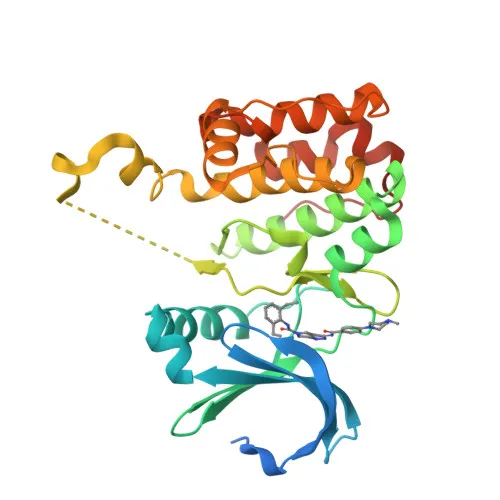
- Aurora kinase A (AURKA) is a mitotic serine/threonine kinase that contributes to the regulation of cell cycle progression, including centrosome duplication, maturation, spindle assembly, and cytokinesis. Related references: PMID:11039908, PMID:12390251, PMID:17125279
- It associates with the centrosome and spindle microtubules during mitosis and plays a critical role in mitotic events such as chromosomal alignment and spindle assembly checkpoint. Related references: PMID:14523000, PMID:26246606
- AURKA is required for normal spindle positioning and localizes NUMA1 and DCTN1 to the cell cortex during metaphase. Related references: PMID:27335426
- It phosphorylates numerous target proteins, including PLK1, TPX2, BRCA1, and p53/TP53, thereby integrating signals for mitotic entry and tumor suppression. Related references: PMID:11551964, PMID:14702041, PMID:15128871
- AURKA is involved in cilia disassembly by phosphorylating HDAC6, leading to α-tubulin deacetylation, and it inhibits cilia outgrowth. Related references: PMID:17604723, PMID:20643351
- The protein is highly expressed in testis and various cancer cell lines (colon, ovarian, prostate, breast, cervical), consistent with its oncogenic role.
- Subcellular localization includes centrosome, spindle pole, centriole, cilium basal body, and basolateral cell membrane.
- Keywords: ATP-binding, kinase, proto-oncogene, phosphoprotein, mitosis, cell cycle, ubl conjugation.
Experimental Guidance and Technical Tips
- For phospho-specific detection, supplement lysis and wash buffers with phosphatase inhibitors. Consider validating signal loss upon phosphatase treatment or peptide competition.
- In WB, the expected band is approximately 46 kDa. Mitotic enrichment via nocodazole or double-thymidine block may enhance detection in cycling cells.
- For ELISA, use the antibody to capture or detect phosphorylated AURKA in lysates from human cell lines; titrate antibody concentrations for optimal signal-to-noise.
- Cross-reactivity has been confirmed for human; reactivity with other species should be verified experimentally if needed.
CamelBio: Your One-Stop Sourcing Bridge
CamelBio provides diagnostic manufacturers and researchers with a streamlined source for IVD-grade antibodies and ancillary reagents. As your one-stop partner, we offer this anti-phospho-AURKA antibody alongside validated antibody pairs, bulk monoclonal/polyclonal antibodies, and rare target sourcing services. Whether you are developing cell cycle, oncology, or signaling assays, our supply chain supports your entire workflow from concept to clinic.
REQUEST A QUOTE
Our professional team will reply to you within one business day. Please feel free to contact us!