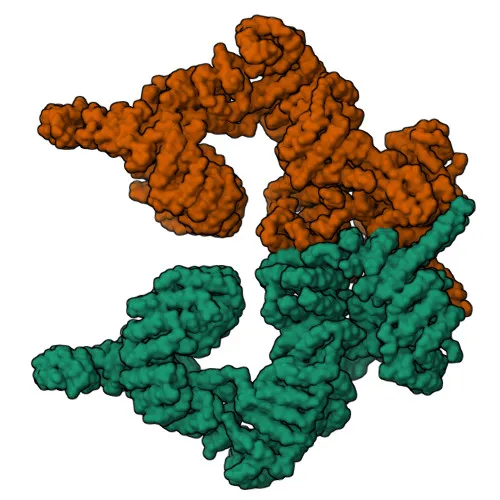
Phosphorylated Antibodies
Phospho-ATM-S1981 Rabbit Monoclonal Antibody for WB, IF-P, ELISA - Q13315
Item Number : CM0001078
Price varies based on specs and customizations
- Application
- WB, IF-P, ELISA
- Cross Reactivity
- Human
- Protein Weight
- 351kDa

Shipping:
Contact us to get shipping details Enjoy On-time Dispatch Guarantee.
Why Choose Us
Easy ordering process, quality products, and dedicated support for your business success.
Core Product Specifications and Parameters
| Parameter | Value |
|---|---|
| Product Name | Phospho-ATM-S1981 Rabbit mAb |
| Remarks/Alias | AT1; ATA; ATC; ATD; ATE; ATDC; TEL1; TELO1; Phospho-ATM-S1981 |
| Species | Human |
| GeneID (Human) | 472 |
| GeneID | 472 |
| Immunogen | A synthetic phosphorylated peptide around S1981 of human ATM (Q13315) |
| Source | Rabbit |
| Category | Phosphorylated Antibodies |
| Application | WB, IF-P, ELISA |
| Cross Reactivity | Human |
| SWISS | Q13315 |
| Protein Weight | 351kDa |
| Shipping | Ice bag |
Biological Background: ATM Function and Localization
- ATM is a serine/threonine protein kinase that serves as a primary DNA damage sensor, recognizing double-strand breaks and triggering checkpoint signaling, apoptosis, and DNA repair pathways. Related references: PMID:10550055 PMID:10839545 PMID:10910365
- It recognizes the substrate consensus sequence [ST]-Q and phosphorylates numerous critical targets, including H2AX (Ser139), CHEK2, p53, BRCA1, and multiple DNA repair proteins, thereby coordinating cell cycle arrest and damage response. Related references: PMID:10550055 PMID:10766245 PMID:10802669
- ATM localizes to the nucleus, cytoplasmic vesicles, centrosome, and peroxisomes, reflecting its involvement not only in nuclear DNA repair but also in cytoplasmic processes such as vesicle trafficking and pexophagy. Related references: PMID:26344566
- Ubiquitously expressed in a wide range of tissues, including pancreas, kidney, skeletal muscle, liver, lung, brain, and lymphoid organs, consistent with its fundamental role in genome stability.
- ATM is a phosphoprotein with multiple phosphorylation sites, and key modifications regulate its kinase activity and recruitment to DNA damage sites; it also undergoes acetylation.
- Loss-of-function mutations in ATM cause ataxia telangiectasia, a multisystem disorder characterized by progressive neurodegeneration, immunodeficiency, and cancer predisposition.
Experimental Guidance and Technical Tips
- Due to the high molecular weight of ATM (351 kDa), consider extended transfer times or modified transfer buffers for Western blotting to ensure efficient protein transfer.
- For detection of phosphorylated ATM, include phosphatase inhibitors during sample preparation to preserve the S1981 phosphorylation signal.
- In immunoprecipitation (IP/IF-P) experiments, validate the antibody specificity using DNA damage-inducing agents (e.g., ionizing radiation) to stimulate ATM phosphorylation.
- For ELISA, establish optimal coating and antibody dilutions using recombinant phospho-peptide controls to ensure selectivity for the S1981 phosphorylated form.
CamelBio: Your One-Stop Sourcing Bridge
CamelBio provides diagnostic manufacturers, labs, and research institutes with comprehensive access to IVD raw materials, technical services, and consulting—from concept to clinic. For DNA damage response research, we offer validated antibody pairs, optimized monoclonal/polyclonal antibodies (including phosphorylation-specific clones), bulk ancillary reagents, and rare target raw-material sourcing. Our dedicated support ensures seamless integration of critical reagents into your diagnostic pipeline.
REQUEST A QUOTE
Our professional team will reply to you within one business day. Please feel free to contact us!