Phosphorylated Antibodies
Phospho-ARHGEF2-S886 Rabbit Polyclonal Antibody for WB, ELISA - Q92974
Item Number : CM0001846
Price varies based on specs and customizations
- Application
- WB, ELISA
- Cross Reactivity
- Human, Mouse, Rat
- Protein Weight
- 112kDa

Shipping:
Contact us to get shipping details Enjoy On-time Dispatch Guarantee.
Why Choose Us
Easy ordering process, quality products, and dedicated support for your business success.
Core Product Specifications and Parameters
| Parameter | Value |
|---|---|
| Product Name | Phospho-ARHGEF2-S886 Rabbit pAb |
| Remarks/Alias | GEF; Lfc; P40; GEFH1; LFP40; GEF-H1; NEDMHM; Phospho-ARHGEF2-S886 |
| Species | Human |
| GeneID (Human) | 9181 |
| GeneID | 9181 |
| Immunogen | Synthetic Peptide | A synthetic phosphorylated peptide around S886 of human ARHGEF2 (NP_001155855.1). |
| Source | Rabbit |
| Category | Phosphorylated Antibodies |
| Application | WB, ELISA |
| Cross Reactivity | Human, Mouse, Rat |
| SWISS | Q92974 |
| Protein Weight | 112kDa |
| Shipping | Ice bag |
Biological Background: ARHGEF2 Function and Localization
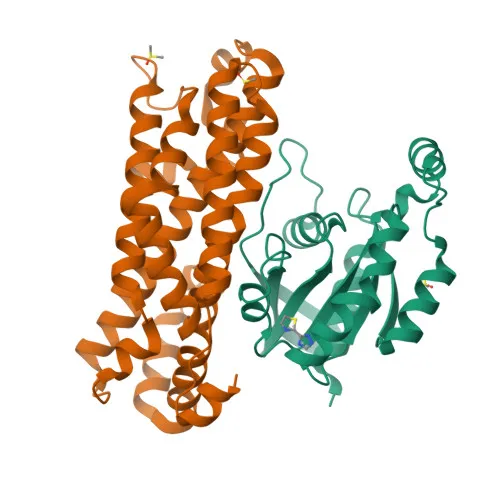
- ARHGEF2 (also known as GEF-H1, Lfc, P40) is a Rho guanine nucleotide exchange factor encoded by the ARHGEF2 gene (Gene ID: 9181) in humans.
- It activates Rho-GTPases by promoting GDP/GTP exchange, regulating epithelial barrier permeability, cell motility, polarization, dendritic spine morphology, antigen presentation, cell cycle, and innate immune responses.
- In innate immunity, ARHGEF2 acts with NOD1 and NOD2 receptors to sense microbial effectors, leading to NF-kappaB activation and secretion of IL-6 and TNF in macrophages.
- ARHGEF2 binds Rac-GTPases but does not stimulate nucleotide exchange toward them (PubMed:9857026); it may instead enhance cortical Rac activity. Related references: PMID:9857026
- It is involved in neuronal progenitor cell division, differentiation, and migration of precerebellar neurons (PubMed:28453519). Related references: PMID:28453519
- Subcellularly, ARHGEF2 localizes to the cytoplasm, cytoskeleton, tight junctions, Golgi apparatus, mitotic spindle, ruffle membranes, and cytoplasmic vesicles.
- Post-translational modifications include phosphorylation (e.g., at Serine 886), acetylation, and it contains zinc-finger domains; alternative splicing produces multiple isoforms.
Experimental Guidance and Technical Tips
- Since the immunogen is a synthetic phosphorylated peptide around S886, verify phospho-specificity by treating cell lysates with lambda phosphatase before WB.
- Consider using low antibody concentrations and extended blocking to reduce background, as phosphorylated antibodies can exhibit non-specific binding.
- Suitable applications include Western blot (WB) and ELISA; for IHC or IF, additional validation may be required.
- Cross-reactivity with human, mouse, and rat suggests a conserved epitope; confirm in the species of interest by testing known positive and negative controls.
- The predicted protein weight is ~112 kDa; ensure adequate gel separation and transfer conditions.
CamelBio: Your One-Stop Sourcing Bridge
CamelBio provides diagnostic manufacturers, laboratories, and research institutes with one-stop access to premium IVD raw materials, technical services, and consulting—from concept to clinic. Our portfolio includes validated antibody pairs, optimized monoclonal/polyclonal antibodies, bulk ancillary reagents, and bespoke rare-target sourcing. For ARHGEF2-related research in cell signaling, cancer biology, or innate immunity, CamelBio is your reliable partner to bridge the gap between discovery and diagnostic development.
Product Datasheet
Phospho-ARHGEF2-S886 Rabbit Polyclonal Antibody for WB, ELISA - Q92974
REQUEST A QUOTE
Our professional team will reply to you within one business day. Please feel free to contact us!