Phosphorylated Antibodies
Phospho-AP2M1-T156 Rabbit pAb for WB and ELISA - Q96CW1
Item Number : CM0000520
Price varies based on specs and customizations
- Application
- WB, ELISA
- Cross Reactivity
- Human, Mouse
- Protein Weight
- 50kDa

Shipping:
Contact us to get shipping details Enjoy On-time Dispatch Guarantee.
Why Choose Us
Easy ordering process, quality products, and dedicated support for your business success.
Core Product Specifications and Parameters
| Parameter | Value |
|---|---|
| Product Name | Phospho-AP2M1-T156 Rabbit pAb |
| Remarks/Alias | mu2; AP50; MRD60; CLAPM1; Phospho-AP2M1-T156 |
| Species | Human |
| Gene ID (Human) | 1173 |
| Gene ID | 1173 |
| Immunogen | Synthetic Peptide|A synthetic phosphorylated peptide around T156 of human AP2M1 (NP_001020376.1). |
| Source | Rabbit |
| Category | Phosphorylated Antibodies |
| Application | WB, ELISA |
| Cross Reactivity | Human, Mouse |
| SWISS | Q96CW1 |
| Protein Weight | 50kDa |
| Shipping | Ice bag |
Biological Background: AP2M1 (AP-2 complex subunit mu) Function and Localization
- AP2M1 encodes the μ2 subunit of the heterotetrameric adaptor protein complex AP-2, which functions as a clathrin-associated cargo adaptor in clathrin-coated vesicle formation. Related references: PMID:12694563, PMID:12952941, PMID:14745134
- The μ2 subunit directly recognizes Y‑X‑X‑Φ and [ED]‑X‑X‑X‑L‑[LI] endocytosis motifs within the cytosolic tails of transmembrane cargo, enabling selective sorting for clathrin-mediated endocytosis. Related references: PMID:16581796, PMID:12694563, PMID:14745134
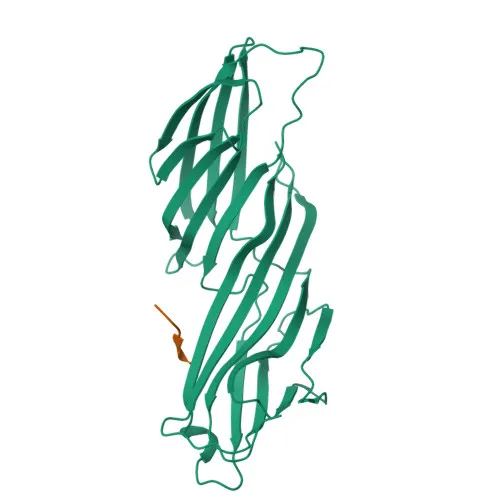
- Phosphorylation of μ2 at Thr‑156 by the kinase AAK1 triggers a conformational change that exposes the Y‑X‑X‑Φ binding site, allowing cargo engagement at the plasma membrane. Related references: PMID:11877457
- Beyond classical clathrin-mediated endocytosis, AP‑2 participates in ARF6‑regulated non‑clathrin trafficking and in the recycling of synaptic vesicle membranes from presynaptic surfaces. Related references: PMID:19033387, PMID:12694563
- In hippocampal neurons, AP‑2 mediates the activity‑dependent endocytosis of ADAM10 during long‑term potentiation. Related references: PMID:23676497
- The protein localizes to the cell membrane and clathrin‑coated pits, consistent with its role in endocytic vesicle formation. It is expressed in the brain at the protein level and is classified under keywords including endocytosis, phosphoprotein, alternative splicing, and disease variants (epilepsy, intellectual disability).
Experimental Guidance and Technical Tips
- The immunogen is a synthetic phosphorylated peptide around Thr156 of human AP2M1; the antibody is expected to specifically recognize the phosphorylated form. For Western blotting, use phosphatase inhibitors during sample preparation to preserve the phospho‑signal.
- In WB, a band at approximately 50 kDa (observed molecular weight) is anticipated. Consider including a dephosphorylated control or antigen competition with the non‑phosphorylated peptide to confirm phospho‑specificity.
- For ELISA, the phosphorylated peptide can serve as a positive control; validate linearity and sensitivity in the relevant sample matrix.
- The antibody cross‑reacts with human and mouse samples. If working with other species, verify sequence homology around Thr156 before use.
CamelBio: Your One-Stop Sourcing Bridge
CamelBio provides a streamlined, one‑stop solution for diagnostic raw materials, technical services, and consulting — from concept to clinic. This phospho‑specific AP2M1 antibody supports research into endocytosis, cargo sorting, and neurological disorders. For your IVD development needs, CamelBio offers validated antibody pairs, optimized monoclonal and polyclonal antibodies, bulk ancillary reagents, and sourcing for difficult‑to‑find targets, ensuring you have the critical raw materials to advance your projects.
REQUEST A QUOTE
Our professional team will reply to you within one business day. Please feel free to contact us!