Phosphorylated Antibodies
Phospho-AMPKα1-S496 Rabbit Monoclonal Antibody for WB, ELISA - Q13131
Item Number : CM0001645
Price varies based on specs and customizations
- Application
- WB, ELISA
- Cross Reactivity
- Mouse
- Protein Weight
- 64kDa

Shipping:
Contact us to get shipping details Enjoy On-time Dispatch Guarantee.
Why Choose Us
Easy ordering process, quality products, and dedicated support for your business success.
Core Product Specifications and Parameters
| Parameter | Value |
|---|---|
| Product Name | Phospho-AMPKα1-S496 Rabbit mAb |
| Remarks/Alias | AMPK; AMPKa1; AMPK alpha 1; Phospho-AMPKα1-S496 |
| Species | Human |
| Gene ID (Human) | 5562 |
| Gene ID | 5562 |
| Immunogen | Synthetic Peptide|A synthetic phosphorylated peptide around S496 of human AMPKα1 (Q13131). |
| Source | Rabbit |
| Category | Phosphorylated Antibodies |
| Application | WB, ELISA |
| Cross Reactivity | Mouse |
| SWISS | Q13131 |
| Protein Weight | 64kDa |
| Shipping | Ice bag |
Biological Background: AMPKα1 Function and Localization
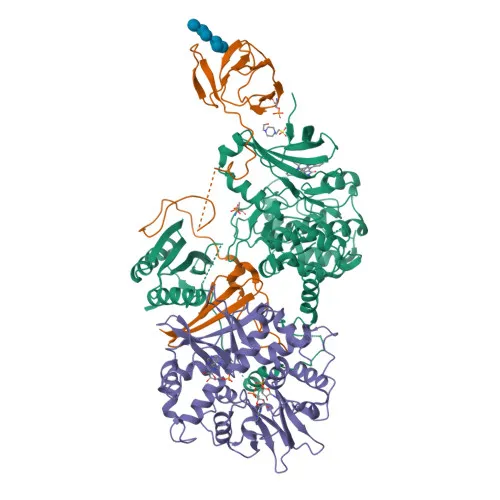
- AMPKα1, encoded by the PRKAA1 gene, is the catalytic alpha-1 subunit of the heterotrimeric AMP-activated protein kinase (AMPK), a central cellular energy sensor.
- In response to low intracellular ATP, AMPKα1 phosphorylates key metabolic enzymes and transcription factors to inhibit anabolic processes (lipid, protein, carbohydrate synthesis) and promote catabolic pathways, thereby restoring energy homeostasis. Related references: PMID:17307971, PMID:17712357, PMID:24563466
- AMPKα1 directly regulates lipid metabolism by phosphorylating and inactivating acetyl-CoA carboxylases (ACACA and ACACB), HMG-CoA reductase (HMGCR), and hormone-sensitive lipase (LIPE), thereby controlling fatty acid and cholesterol synthesis.
- It also plays a critical role in glucose homeostasis by phosphorylating CRTC2/TORC2 (leading to cytoplasmic sequestration) and promoting GLUT4 translocation to the plasma membrane.
- Beyond metabolism, AMPKα1 suppresses cell growth and proliferation by inhibiting the mTORC1 pathway through phosphorylation of TSC2, RPTOR, and WDR24, and it activates autophagy via phosphorylation of ULK1 and WDR45/WIPI4. Related references: PMID:14651849, PMID:18439900, PMID:20160076, PMID:21205641, PMID:28561066, PMID:36732624, PMID:37079666
- Subcellular localization includes the cytoplasm, nucleus, and late endosomes, consistent with its roles in metabolic regulation, gene transcription, and endosomal signaling.
- AMPKα1 is a phosphoprotein regulated by phosphorylation at various residues; phosphorylation at Ser496 has been identified and may influence its kinase activity or localization.
Experimental Guidance and Technical Tips
- Always include phosphatase inhibitors during cell lysis and sample preparation to preserve the phospho-epitope.
- Validate specificity by treating samples with lambda protein phosphatase or by competition with the immunizing phospho-peptide; loss of signal confirms phospho-specificity.
- For Western blot, expect a band at approximately 64 kDa in human or mouse cell lines; activation of AMPK by AICAR, metformin, or glucose deprivation may enhance detection.
- In ELISA, consider using this antibody in combination with a pan-AMPKα capture antibody to quantify phospho-AMPKα1 (S496) levels.
CamelBio: Your One-Stop Sourcing Bridge
CamelBio provides diagnostic manufacturers and researchers with streamlined access to high-quality IVD raw materials, from validated antibodies to bulk ancillary reagents. For AMPK signaling and metabolic disease research, we offer comprehensive sourcing solutions including optimized monoclonal and polyclonal antibodies, matched antibody pairs, and support for rare-target reagent development. Partner with CamelBio to accelerate your assay development from concept to clinic.
REQUEST A QUOTE
Our professional team will reply to you within one business day. Please feel free to contact us!