Phosphorylated Antibodies
Phospho-ACLY-S455 Rabbit pAb for WB, IHC-P, IP, ELISA - P53396
Item Number : CM0000515
Price varies based on specs and customizations
- Application
- WB, IHC-P, IP, ELISA
- Cross Reactivity
- Human, Mouse, Rat
- Protein Weight
- 121kDa

Shipping:
Contact us to get shipping details Enjoy On-time Dispatch Guarantee.
Why Choose Us
Easy ordering process, quality products, and dedicated support for your business success.
Core Product Specifications and Parameters
| Parameter | Value |
|---|---|
| Product Name | Phospho-ACLY-S455 Rabbit pAb |
| Remarks/Alias | ACL; ATPCL; CLATP; Phospho-ACLY-S455 |
| Species | Human |
| Gene ID (Human) | 47 |
| Gene ID | 47 |
| Immunogen | Synthetic peptide | A synthetic phosphorylated peptide around S455 of human ACLY (NP_001087.2). |
| Source | Rabbit |
| Category | Phosphorylated Antibodies |
| Application | WB, IHC-P, IP, ELISA |
| Cross Reactivity | Human, Mouse, Rat |
| SWISS | P53396 |
| Protein Weight | 121kDa |
| Shipping | Ice bag |
Biological Background: ATP-citrate synthase Function and Localization
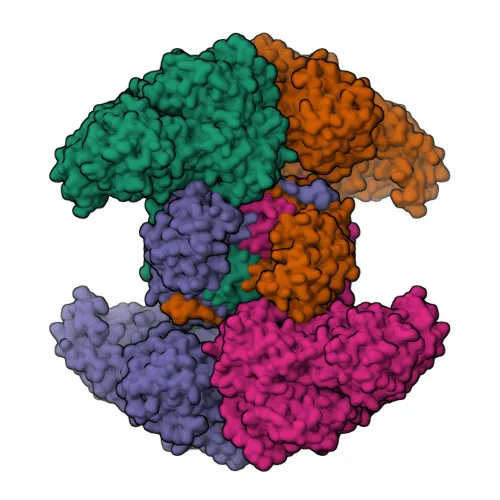
- ATP-citrate synthase (ACLY), also known as ATP-citrate lyase (ACL) or citrate cleavage enzyme, is encoded by the ACLY gene in humans.
- The enzyme catalyzes the ATP-dependent cleavage of citrate into oxaloacetate and acetyl-CoA, providing a key substrate for lipogenesis and other metabolic pathways.
- ACLY is a central metabolic enzyme linking carbohydrate catabolism to lipid biosynthesis, playing a critical role in overall cellular metabolism.
- The protein localizes predominantly in the cytoplasm/cytosol, as indicated by subcellular localization data.
- ACLY is subject to various post-translational modifications including phosphorylation (e.g., at Ser455), acetylation, and ubiquitination, which regulate its activity and stability.
- Alternative splicing of the ACLY gene results in multiple isoforms, contributing to functional diversity.
- The enzyme requires metal ions (magnesium) and ATP for its catalytic activity, as reflected in its nucleotide-binding and metal-binding properties.
Experimental Guidance and Technical Tips
- This antibody was raised against a phosphopeptide corresponding to Ser455 of human ACLY; therefore, it recognizes the phosphorylated form of the protein. Consider confirming specificity by treating samples with lambda phosphatase before analysis.
- For Western blot, the expected molecular weight is approximately 121 kDa. Use appropriate gel percentages and loading controls to ensure proper resolution.
- In immunohistochemistry (paraffin), antigen retrieval may be required to expose the epitope; optimize citrate or EDTA-based methods for your tissue type.
- For immunoprecipitation, perform a pilot experiment to determine optimal antibody-to-lysate ratios and include a non-specific IgG control.
CamelBio: Your One-Stop Sourcing Bridge
CamelBio provides diagnostic manufacturers, labs, and research institutes with one-stop access to high-quality IVD raw materials, including validated phospho-specific antibodies like this anti-ACLY pS455 pAb. Our portfolio covers a wide range of metabolic targets, supported by bulk ancillary reagents and rare-target raw-material sourcing to accelerate your assay development from concept to clinic.
REQUEST A QUOTE
Our professional team will reply to you within one business day. Please feel free to contact us!