Phosphorylated Antibodies
Phospho-Acetyl CoA Carboxylase-S79 Rabbit pAb for WB, ELISA - Q13085 / O00763
Item Number : CM0001310
Price varies based on specs and customizations
- Application
- WB, ELISA
- Cross Reactivity
- Mouse
- Protein Weight
- 265kDa

Shipping:
Contact us to get shipping details Enjoy On-time Dispatch Guarantee.
Why Choose Us
Easy ordering process, quality products, and dedicated support for your business success.
Core Product Specifications and Parameters
| Parameter | Value |
|---|---|
| Product Name | Phospho-Acetyl CoA Carboxylase-S79 Rabbit pAb |
| Remarks/Alias | ACC; ACAC; ACC1; ACCA; Acac1; hACC1; ACACAD; ACCalpha; ACACalpha; Phospho-Acetyl CoA Carboxylase-S79 |
| Species | Human |
| Gene ID | 31/32 |
| Immunogen | A synthetic phosphorylated peptide around S79 of human Acetyl CoA Carboxylase. |
| Source | Rabbit |
| Category | Phosphorylated Antibodies |
| Application | WB, ELISA |
| Cross Reactivity | Mouse |
| SWISS | Q13085/O00763 |
| Protein Weight | 265kDa |
| Shipping | Ice bag |
Biological Background: Acetyl-CoA Carboxylase 1 (ACC1) Function and Localization
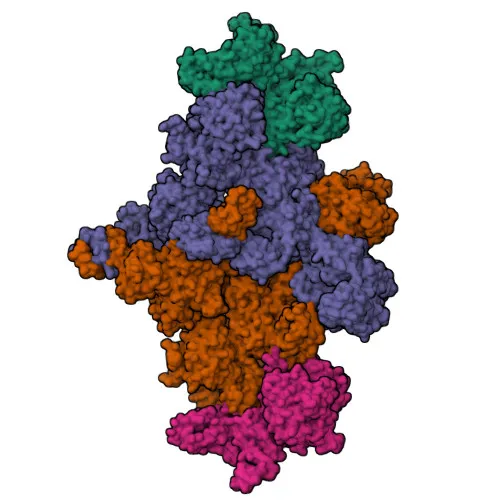
- Acetyl-CoA carboxylase 1 (ACC1), encoded by the ACACA gene, is the rate-limiting enzyme in de novo fatty acid synthesis, converting acetyl-CoA to malonyl-CoA in a two-step biotin-dependent reaction (PubMed:20457939, PubMed:20952656, PubMed:29899443). Related references: PMID:20457939 PMID:20952656 PMID:29899443
- ACC1 is a multifunctional, biotin-containing enzyme composed of biotin carboxylase (BC), biotin carboxyl carrier protein (BCCP), and carboxyltransferase (CT) domains.
- It localizes primarily in the cytoplasm, consistent with its role in cytosolic fatty acid biosynthesis.
- Tissue expression is broad but selective: high in lipogenic tissues such as adipose, placenta, and brain; low in pulmonary tissue; and notably absent in liver under normal conditions.
- Phosphorylation at Ser79 by AMP-activated protein kinase (AMPK) is a key regulatory modification that inhibits ACC1 activity, linking cellular energy state to lipid metabolism.
- The protein is subject to additional post-translational modifications including acetylation, and its activity is regulated allosterically by citrate and palmitoyl-CoA.
- As a member of the biotin-dependent carboxylase family, ACC1 is critical for maintaining cellular lipid homeostasis and is implicated in metabolic disorders when dysregulated.
Experimental Guidance and Technical Tips
- The immunogen was a synthetic phospho-peptide corresponding to Ser79 of human ACC1; for Western blot, consider using phosphatase inhibitors during sample preparation to preserve the phosphorylation signal.
- For WB, the predicted molecular weight is ~265 kDa; ensure appropriate gel percentage and transfer conditions for high-molecular-weight proteins.
- Cross-reactivity with mouse has been demonstrated; validate antibody specificity in your model system using appropriate controls (e.g., non-phosphorylated peptide blocking, phosphatase treatment).
- The antibody is suitable for ELISA; for quantitative assays, a phospho-specific standard curve using the immunizing peptide may assist in calibration.
CamelBio: Your One-Stop Sourcing Bridge
CamelBio provides diagnostic manufacturers and research laboratories with comprehensive access to IVD raw materials, including validated antibody pairs, bulk ancillary reagents, and rare-target sourcing. This phospho-ACC1 (Ser79) antibody enables precise analysis of fatty acid metabolism regulation in metabolic disease and oncology research. From early-phase development to clinical validation, CamelBio streamlines procurement to support your assay pipeline.
Product Datasheet
Phospho-Acetyl CoA Carboxylase-S79 Rabbit pAb for WB, ELISA - Q13085 / O00763
REQUEST A QUOTE
Our professional team will reply to you within one business day. Please feel free to contact us!