Monoclonal Antibodies
PerCP Rabbit anti-Mouse CD209b/DC-SIGNR1 Monoclonal Antibody for FC - Q8CJ91
Item Number : CM0008145
Price varies based on specs and customizations
- Application
- FC
- Cross Reactivity
- Mouse
- Protein Weight
- 16kDa/33kDa/36kDa/37kDa

Shipping:
Contact us to get shipping details Enjoy On-time Dispatch Guarantee.
Why Choose Us
Easy ordering process, quality products, and dedicated support for your business success.
Core Product Specifications and Parameters
| Parameter | Value |
|---|---|
| Product Name | PerCP Rabbit anti-Mouse CD209b/DC-SIGNR1 mAb |
| Remarks/Alias | OtB7; SIGNR1; mSIGNR1; DC-SIGNR1; 1810030I22Rik |
| Species | Mouse |
| GeneID (Human) | 30835 |
| GeneID | 69165 |
| Immunogen | Recombinant protein |
| Source | Rabbit |
| Category | Monoclonal Antibodies |
| Application | FC |
| Cross Reactivity | Mouse |
| SWISS | Q8CJ91 |
| Protein Weight | 16kDa/33kDa/36kDa/37kDa |
| Shipping | Ice bag |
Biological Background: CD209b/DC-SIGNR1 Function and Localization
- CD209b, also known as DC-SIGNR1 or SIGNR1, is a mouse C-type lectin receptor (CLR) that likely functions as a pathogen-recognition receptor.
- It binds to high mannose N-linked oligosaccharides in a calcium-dependent manner, enabling interaction with microbial glycans and promoting endocytosis of pathogens for lysosomal degradation.
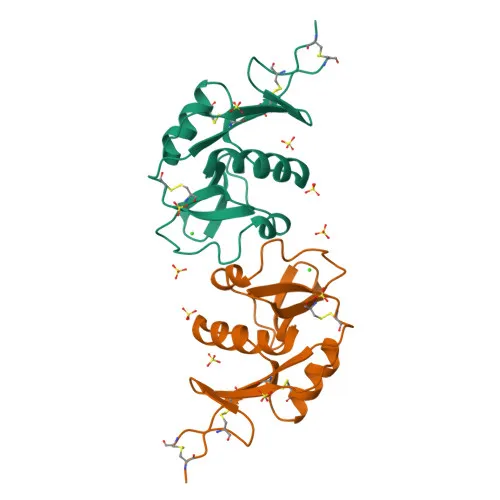
- The receptor is a type II transmembrane protein, anchored in the membrane via a signal-anchor sequence, and contains a carbohydrate recognition domain (CRD) responsible for ligand binding.
- It is expressed in skin, spleen, and lung, predominantly in subsets of dendritic cells, with localization observed in spleen extrafollicular paracortical areas and skin suprabasal layers.
- CD209b exhibits alternative splicing, producing multiple isoforms with molecular weights ranging from 16 kDa to 37 kDa, as indicated by UniProt and corroborated by product data.
- Key post-translational modifications include disulfide bond formation and glycosylation, essential for structural stability and lectin activity.
- As a DC-SIGN-related molecule, it plays a role in cell adhesion through interactions with ICAM-3, facilitating dendritic cell-mediated immune responses.
Experimental Guidance and Technical Tips
- The immunogen encompasses the extracellular ligand-binding domain, which may support detection of native conformations in flow cytometry.
- For FC, consider using appropriate isotype controls and titrating the antibody to optimize staining specificity.
- The presence of multiple isoforms may result in varied band sizes if used in Western blot; however, this product is validated for FC, so confirm application suitability.
- Since CD209b is expressed on dendritic cells, validate in relevant tissue or cell samples (e.g., spleen, skin, lung) to confirm specificity.
CamelBio: Your One-Stop Sourcing Bridge
CamelBio streamlines IVD raw-material procurement for diagnostic manufacturers and research labs, providing this PerCP-conjugated rabbit anti-mouse CD209b monoclonal antibody alongside a comprehensive portfolio of validated antibody pairs, recombinant proteins, and bulk ancillary reagents. For projects in dendritic cell biology and pathogen recognition, our one-stop sourcing includes rare target materials and technical support to accelerate your assay development from concept to clinic.
Product Datasheet
PerCP Rabbit anti-Mouse CD209b/DC-SIGNR1 Monoclonal Antibody for FC - Q8CJ91
REQUEST A QUOTE
Our professional team will reply to you within one business day. Please feel free to contact us!