Monoclonal Antibodies
PE/Cyanine7 Rabbit anti-Mouse CD206/MMR Monoclonal Antibody for Flow Cytometry - Q61830
Item Number : CM0012285
Price varies based on specs and customizations
- Application
- FC (intra), FC
- Cross Reactivity
- Mouse
- Protein Weight
- 165 kDa

Shipping:
Contact us to get shipping details Enjoy On-time Dispatch Guarantee.
Why Choose Us
Easy ordering process, quality products, and dedicated support for your business success.
Core Product Specifications and Parameters
| Parameter | Value |
|---|---|
| Product Name | PE/Cyanine7 Rabbit anti-Mouse CD206/MMR mAb |
| Remarks/Alias | MR; CD206 |
| Species | Mouse |
| GeneID (Human) | 4360 |
| GeneID | 17533 |
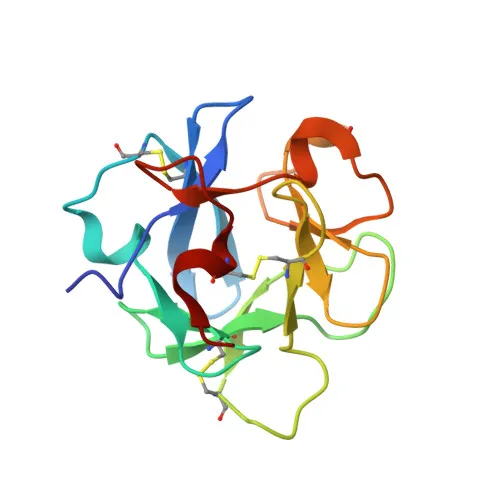
| Immunogen | Recombinant fusion protein containing a sequence corresponding to amino acids 20-154 of mouse CD206/MMR (NP_032651.2). |
| Source | Rabbit |
| Category | Monoclonal Antibodies |
| Application | FC (intra), FC |
| Cross Reactivity | Mouse |
| SWISS | Q61830 |
| Protein Weight | 165 kDa |
| Shipping | Ice bag |
Biological Background: CD206/MMR (Macrophage Mannose Receptor 1) Function and Localization
- MRC1 encodes the Macrophage Mannose Receptor 1 (CD206), a type I transmembrane glycoprotein that serves as a pattern recognition receptor.
- Functions as an endocytic receptor, binding both sulfated and non-sulfated polysaccharide chains on glycoproteins to mediate their internalization in macrophages.
- Acts as a phagocytic receptor for bacteria, fungi, and other pathogens, contributing to innate immune defense.
- Localizes predominantly to the cell membrane and cycles to the endosome membrane upon ligand binding and internalization.
- Contains multiple extracellular domains, including cysteine-rich, fibronectin type II, and C-type lectin domains, which facilitate calcium-dependent carbohydrate recognition.
- Detected specifically in macrophages, consistent with its role in pathogen clearance.
- Undergoes post-translational glycosylation and disulfide bond formation, typical of cell surface receptors.
Experimental Guidance and Technical Tips
- For flow cytometry, titrate the antibody to determine the optimal concentration for your specific cell population, and include proper compensation controls when using PE/Cyanine7 conjugate.
- Protect the antibody from prolonged light exposure to minimize fluorochrome photobleaching.
- For intracellular staining, validate fixation and permeabilization protocols to preserve epitope accessibility, as the immunogen corresponds to an N-terminal extracellular region.
- Consider using macrophages or macrophage-like cell lines as a positive control and include isotype controls to assess non-specific binding.
CamelBio: Your One-Stop Sourcing Bridge
CamelBio supplies this PE/Cyanine7-conjugated anti-mouse CD206 monoclonal antibody as part of a comprehensive portfolio for immunological research and diagnostic development. Our one-stop access covers validated antibody pairs, optimized monoclonal/polyclonal antibodies, bulk ancillary reagents, and rare target raw-material sourcing to support your workflow from concept to clinic.
Product Datasheet
PE/Cyanine7 Rabbit anti-Mouse CD206/MMR Monoclonal Antibody for Flow Cytometry - Q61830
REQUEST A QUOTE
Our professional team will reply to you within one business day. Please feel free to contact us!