Monoclonal Antibodies
PE/Cyanine7 Rabbit anti-Human CD13/ANPEP mAb for FC - P15144
Item Number : CM0011856
Price varies based on specs and customizations
- Application
- FC
- Cross Reactivity
- Human
- Protein Weight
- 110kDa

Shipping:
Contact us to get shipping details Enjoy On-time Dispatch Guarantee.
Why Choose Us
Easy ordering process, quality products, and dedicated support for your business success.
Core Product Specifications and Parameters
| Parameter | Value |
|---|---|
| Product Name | PE/Cyanine7 Rabbit anti-Human CD13/ANPEP mAb |
| Remarks/Alias | APN; AP-M; AP-N; CD13; LAP1; P150; PEPN; hAPN; GP150 |
| Species | Human |
| Gene ID (Human) | 290 |
| Gene ID | 290 |
| Immunogen | Recombinant fusion protein containing a sequence corresponding to amino acids 69-967 of human CD13/ANPEP (NP_001141.2) |
| Source | Rabbit |
| Category | Monoclonal Antibodies |
| Application | FC |
| Cross Reactivity | Human |
| SWISS | P15144 |
| Protein Weight | 110kDa |
| Shipping | Ice bag |
Biological Background: CD13/ANPEP Function and Localization
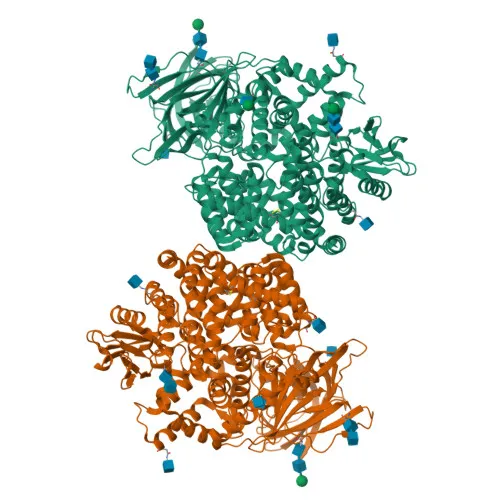
- Aminopeptidase N (CD13) is a zinc-dependent type II integral membrane metalloprotease that cleaves neutral amino acids from the N-terminus of peptides, playing a key role in the final digestion of dietary proteins in the intestinal brush border and kidney.
- It processes various bioactive peptides, including angiotensin III/IV, neuropeptides, and chemokines, and may trim peptides bound to MHC class II molecules on antigen-presenting cells.
- CD13 is expressed on the cell surface of epithelial cells in the kidney, intestine, and respiratory tract, as well as on myeloid cells (granulocytes, monocytes), endothelial cells, and tumor vasculature; a soluble form is elevated in plasma and effusions of cancer patients.
- The protein acts as a receptor for human coronavirus 229E (HCoV-229E) spike glycoprotein and mediates human cytomegalovirus (HCMV) infection.
- It is heavily glycosylated, contains disulfide bonds, and undergoes sulfation; these post-translational modifications are critical for its stability and function.
- CD13 may promote angiogenesis and cholesterol crystallization, and it regulates amino acid transport by interacting with the transporter SLC6A19.
Experimental Guidance and Technical Tips
- The immunogen corresponds to the large extracellular domain (amino acids 69–967), which typically yields antibodies capable of recognizing the native conformation of CD13 on live cells.
- For flow cytometry, consider titrating the antibody (e.g., 0.5–5 µL per test) on a relevant human sample, such as PBMCs or a CD13-expressing cell line, to determine the optimal staining concentration.
- PE/Cyanine7 tandem conjugates are sensitive to light and fixation; handle and store under dark conditions, and avoid prolonged fixation ahead of acquisition.
- Validate cross-reactivity in your specific model; while this clone is reported to recognize human CD13, reactivity with other species should be independently confirmed.
CamelBio: Your One-Stop Sourcing Bridge
CamelBio connects diagnostic manufacturers and research laboratories with a comprehensive portfolio of high-quality IVD raw materials, including validated monoclonal antibodies like this CD13/ANPEP clone for flow cytometry applications. We offer one-stop access to optimized antibody pairs, bulk ancillary reagents, and rare target sourcing to support immunophenotyping, viral entry studies, and oncology research. Partner with CamelBio to streamline your procurement from concept to clinic.
REQUEST A QUOTE
Our professional team will reply to you within one business day. Please feel free to contact us!