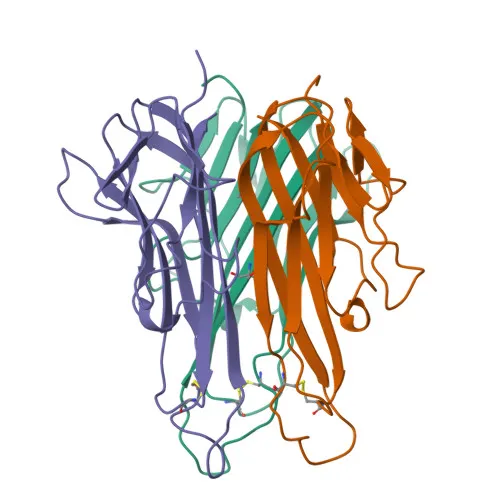
Monoclonal Antibodies
PE Rabbit anti-Mouse TNF-α Monoclonal Antibody for Flow Cytometry (Intracellular) - P06804
Item Number : CM0004824
Price varies based on specs and customizations
- Application
- FC (intra)
- Cross Reactivity
- Mouse
- Protein Weight
- 26kDa

Shipping:
Contact us to get shipping details Enjoy On-time Dispatch Guarantee.
Why Choose Us
Easy ordering process, quality products, and dedicated support for your business success.
Core Product Specifications and Parameters
| Parameter | Value |
|---|---|
| Product Name | PE Rabbit anti-Mouse TNF-α mAb |
| Remarks/Alias | DIF; Tnfa; TNF-a; TNFSF2; Tnlg1f; Tnfsf1a; TNFalpha; TNF-alpha |
| Species | Mouse |
| Gene ID (Human) | 7124 |
| Gene ID (Mouse) | 21926 |
| Immunogen | Recombinant protein; Recombinant fusion protein containing a sequence corresponding to amino acids 80-235 of mouse TNF-α (NP_038721.1). |
| Source | Rabbit |
| Category | Monoclonal Antibodies |
| Application | FC (intra) |
| Cross Reactivity | Mouse |
| SWISS | P06804 |
| Protein Weight | 26kDa |
| Shipping | Ice bag |
Biological Background: TNF-α Function and Localization
- Protein identity: Tumor necrosis factor alpha (TNF-α), also known as cachectin or TNFSF2, is a potent pro-inflammatory cytokine.
- Core function: Binds to TNFRSF1A/TNFR1 and TNFRSF1B/TNFBR, mediating diverse cellular responses including apoptosis, cell proliferation, and differentiation.
- Immune role: Secreted primarily by macrophages; acts as an endogenous pyrogen causing fever directly or via interleukin-1 induction, and contributes to cachexia in chronic inflammation.
- Metabolic effects: Induces insulin resistance by inhibiting insulin-induced IRS1 tyrosine phosphorylation and glucose uptake in adipocytes, partially through GKAP42 protein degradation. Related references: PMID:25586176
- Bone remodeling: Promotes osteoclastogenesis, thereby mediating bone resorption. Related references: PMID:32741026
- Angiogenesis: Plays a role in angiogenesis by synergistically inducing VEGF production with IL-1β and IL-6.
- Isoform function: The tumor necrosis factor intracellular domain (ICD) form induces IL-12 production in dendritic cells.
- Subcellular localization: Exists as a membrane-anchored precursor (type II transmembrane protein) and a soluble secreted form after proteolytic cleavage.
- Post-translational modifications: Features include N-linked glycosylation, a disulfide bond, lipidation (myristoylation), and phosphorylation; these regulate trafficking and activity.
Experimental Guidance and Technical Tips
- This PE-conjugated rabbit monoclonal antibody is designed for intracellular flow cytometry (FC). Permeabilization of cells is required to detect intracellular TNF-α.
- Consider using the recombinant protein immunogen (aa 80-235) as a positive control or blocking agent to confirm specificity.
- Since TNF-α is largely secreted, stimulation with LPS or PMA/ionomycin in the presence of a protein transport inhibitor (e.g., brefeldin A) may enhance intracellular staining in macrophages or T cells.
- Validate the antibody in the relevant sample system (e.g., mouse splenocytes or macrophage cell lines) and include appropriate isotype controls.
- Protect the PE conjugate from light and avoid freeze-thaw cycles to maintain fluorescence intensity.
CamelBio: Your One-Stop Sourcing Bridge
CamelBio is your dedicated partner for IVD raw-material sourcing, offering a comprehensive portfolio from concept to clinic. This anti-mouse TNF-α monoclonal antibody is available as part of our extensive cytokine and inflammation research panel—ideal for diagnostic assay development and immunology studies. Beyond individual antibodies, we supply validated antibody pairs, optimized monoclonals and polyclonals, bulk ancillary reagents, and can source rare target raw materials to accelerate your project timeline.
Product Datasheet
PE Rabbit anti-Mouse TNF-α Monoclonal Antibody for Flow Cytometry (Intracellular) - P06804
REQUEST A QUOTE
Our professional team will reply to you within one business day. Please feel free to contact us!