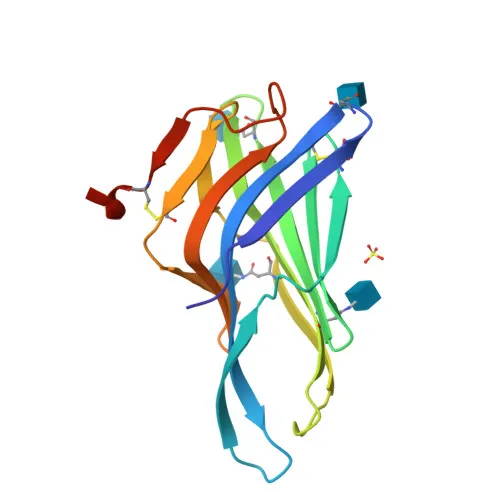
Monoclonal Antibodies
PE Rabbit Anti-Mouse LAMP1/CD107a Monoclonal Antibody for FC - P11438
Item Number : CM0012103
Price varies based on specs and customizations
- Application
- FC
- Cross Reactivity
- Mouse
- Protein Weight
- 43kDa

Shipping:
Contact us to get shipping details Enjoy On-time Dispatch Guarantee.
Why Choose Us
Easy ordering process, quality products, and dedicated support for your business success.
Core Product Specifications and Parameters
| Parameter | Value |
|---|---|
| Product Name | PE Rabbit anti-Mouse LAMP1/CD107a mAb |
| Remarks/Alias | P2B; Perk; LGP-A; CD107a; Lamp-1; LGP-120 |
| Species | Mouse |
| Gene ID (Human) | 3916 |
| Gene ID | 16783 |
| Immunogen | Recombinant protein |
| Source | Rabbit |
| Category | Monoclonal Antibodies |
| Application | FC |
| Cross Reactivity | Mouse |
| SWISS | P11438 |
| Protein Weight | 43kDa |
| Shipping | Ice bag |
Biological Background: LAMP1/CD107a Function and Localization
- LAMP1 (Lysosome-associated membrane glycoprotein 1), also known as CD107a, LGP-120, LGP-A, P2B, and Lamp-1, is a heavily glycosylated transmembrane protein encoded by the Lamp1 gene in mice.
- It plays a critical role in lysosome biogenesis, pH regulation, autophagy, and cholesterol homeostasis by acting as a direct inhibitor of the proton channel TMEM175, thereby facilitating lysosomal acidification (PubMed:15121881). Related references: PMID:15121881
- In natural killer (NK) cells, LAMP1 is essential for cytotoxicity, mediating cytotoxic granule movement and perforin trafficking to the lytic granule, while also protecting NK cells from self-degranulation damage (PubMed:23847195). Related references: PMID:23847195
- It localizes to the membranes of lysosomes, late endosomes, and cytolytic granules, and can also be present on the cell surface upon degranulation.
- LAMP1 presents carbohydrate ligands to selectins, facilitating cell adhesion and migration.
- Its expression is implicated in tumor cell metastasis (PubMed:2676155). Related references: PMID:2676155
- Structurally, LAMP1 is a type I transmembrane protein with a large luminal domain, a single transmembrane helix, and a short cytoplasmic tail; it contains multiple disulfide bonds and N-glycosylation sites.
Experimental Guidance and Technical Tips
- For flow cytometry, titrate the antibody to determine the optimal staining concentration for your cell type and assay conditions.
- Include appropriate isotype controls and fluorescence-minus-one (FMO) controls to set gates accurately.
- As LAMP1 is primarily intracellular (lysosomal), detection of surface LAMP1 (e.g., as a degranulation marker) may require stimulation; consider cell permeabilization if total LAMP1 is to be measured.
- The immunogen sequence (aa 208–363) lies within the large luminal domain; the antibody may be suitable for both native and denatured LAMP1, but performance in other applications (e.g., WB, IHC) has not been tested and requires validation.
- PE conjugation provides high brightness; ensure proper compensation when using multicolor panels.
CamelBio: Your One-Stop Sourcing Bridge
CamelBio offers a streamlined procurement solution for IVD raw materials, including this PE-conjugated anti-LAMP1 monoclonal antibody for immunology and cell biology applications. With access to validated antibody pairs, optimized monoclonal/polyclonal antibodies, and bulk ancillary reagents, CamelBio supports your development from concept to clinic.
Product Datasheet
PE Rabbit Anti-Mouse LAMP1/CD107a Monoclonal Antibody for FC - P11438
REQUEST A QUOTE
Our professional team will reply to you within one business day. Please feel free to contact us!