Monoclonal Antibodies
PE Rabbit anti-Mouse FOXP3 Monoclonal Antibody for FC (intra) - Q99JB6
Item Number : CM0004119
Price varies based on specs and customizations
- Application
- FC (intra)
- Cross Reactivity
- Mouse
- Protein Weight
- 47kDa

Shipping:
Contact us to get shipping details Enjoy On-time Dispatch Guarantee.
Why Choose Us
Easy ordering process, quality products, and dedicated support for your business success.
Core Product Specifications and Parameters
| Parameter | Value |
|---|---|
| Product Name | PE Rabbit anti-Mouse FOXP3 mAb |
| Remarks/Alias | sf; JM2; scurfin |
| Species | Mouse |
| Gene ID (Human) | 50943 |
| Gene ID | 20371 |
| Immunogen | A synthetic peptide corresponding to a sequence within amino acids 1-100 of mouse Foxp3 (NP_473380.1). |
| Source | Rabbit |
| Category | Monoclonal Antibodies |
| Application | FC (intra) |
| Cross Reactivity | Mouse |
| SWISS | Q99JB6 |
| Protein Weight | 47kDa |
| Shipping | Ice bag |
Biological Background: FOXP3 Function and Localization
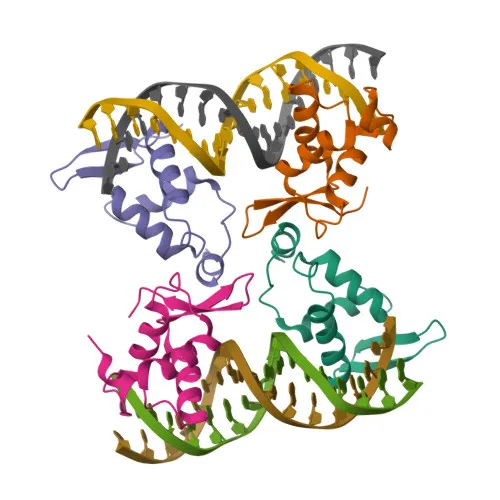
- FOXP3, also known as scurfin, is a transcriptional regulator crucial for the development and inhibitory function of regulatory T-cells (Tregs). Related references: PMID:22813742
- It plays an essential role in maintaining immune homeostasis by ensuring Treg lineage stability and full suppressive function, and by directly modulating conventional T-cell expansion and function.
- FOXP3 can act as either a transcriptional repressor or activator depending on interactions with co-factors; it represses key cytokines (IL2, IFNG) by inhibiting RELA and NFATC2. Related references: PMID:15790681
- It activates genes such as TNFRSF18 and CTLA4 while repressing IL2 and IFNG via association with transcription factor RUNX1. Related references: PMID:17377532
- FOXP3 inhibits Th17 cell differentiation by antagonizing RORC, down-regulating IL17 expression and promoting Treg development. Related references: PMID:18368049
- It can repress IL2 and IFNG expression through association with transcription factor IKZF4. Related references: PMID:19696312
- Subcellular localization is predominantly nuclear, with presence also in the cytoplasm.
- Tissue specificity: highly expressed in thymus and spleen.
- Post-translational modifications include acetylation, phosphorylation, and ubiquitination; the protein contains zinc-finger domains and binds DNA and metal ions.
Experimental Guidance and Technical Tips
- The immunogen corresponds to amino acids 1-100 of mouse FOXP3; verify reactivity in your target cell type, as N-terminal epitopes may be influenced by protein interactions or modifications.
- For intracellular flow cytometry, optimize fixation and permeabilization protocols specifically for FOXP3 detection in Tregs, ensuring minimal epitope masking.
- Use appropriate isotype controls and single-stain compensation controls to account for PE fluorescence and spectral overlap.
- Validate staining specificity using Foxp3-deficient mouse samples, known positive Treg populations (e.g., CD4+CD25+ splenocytes), or a blocking peptide if available.
CamelBio: Your One-Stop Sourcing Bridge
CamelBio provides diagnostic manufacturers and research laboratories with one-stop access to IVD raw materials, including this PE-conjugated FOXP3 monoclonal antibody for Treg analysis in mouse models. Our portfolio spans validated antibody pairs, optimized monoclonal and polyclonal antibodies, and bulk ancillary reagents, supporting the development of immunoassays and quality control workflows. We also specialize in sourcing rare-target raw materials to streamline your transition from concept to clinic.
Product Datasheet
PE Rabbit anti-Mouse FOXP3 Monoclonal Antibody for FC (intra) - Q99JB6
REQUEST A QUOTE
Our professional team will reply to you within one business day. Please feel free to contact us!