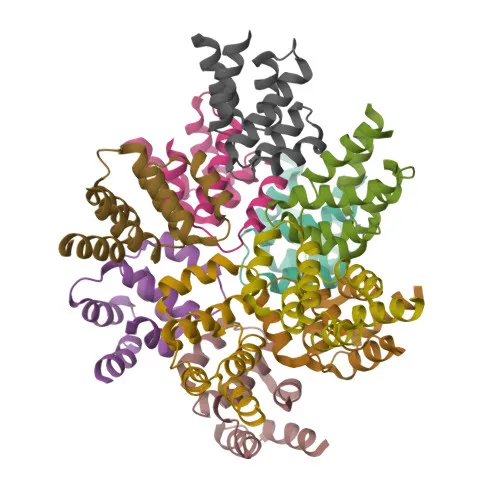
Monoclonal Antibodies
PE Rabbit anti-Mouse CD95/FAS mAb - P25446
Item Number : CM0012195
Price varies based on specs and customizations
- Application
- FC
- Cross Reactivity
- Mouse
- Protein Weight
- 37 KDa

Shipping:
Contact us to get shipping details Enjoy On-time Dispatch Guarantee.
Why Choose Us
Easy ordering process, quality products, and dedicated support for your business success.
Core Product Specifications and Parameters
| Parameter | Value |
|---|---|
| Product Name | PE Rabbit anti-Mouse CD95/FAS mAb |
| Remarks/Alias | lpr; APO1; APT1; CD95; TNFR6; Tnfrsf6 |
| Species | Mouse |
| Gene ID (Human) | 355 |
| Gene ID | 14102 |
| Immunogen | Recombinant fusion protein containing a sequence corresponding to amino acids 22-169 of mouse CD95/FAS (NP_032013.2). |
| Source | Rabbit |
| Category | Monoclonal Antibodies |
| Application | FC |
| Cross Reactivity | Mouse |
| SWISS | P25446 |
| Protein Weight | 37 KDa |
| Shipping | Ice bag |
Biological Background: Tumor Necrosis Factor Receptor Superfamily Member 6 Function and Localization
- Encodes the Tumor necrosis factor receptor superfamily member 6, also known as Apo-1 antigen, FASLG receptor, or CD95.
- Functions as a receptor for TNFSF6/FASLG, triggering the extrinsic apoptosis pathway via the formation of the death-inducing signaling complex (DISC).
- DISC assembly recruits FADD and caspase-8, leading to caspase activation and programmed cell death; this process is critical for immune homeostasis and peripheral tolerance.
- Plays a role in antigen-stimulated suicide of mature T-cells, contributing to the regulation of immune responses.
- Localizes to the cell membrane and membrane rafts, which facilitate signaling complex formation.
- Contains structural features including a signal peptide, three cysteine-rich extracellular domains, a transmembrane helix, and a cytoplasmic death domain.
- Subject to post-translational modifications such as glycosylation, palmitoylation, and phosphorylation, which may modulate receptor activity and membrane localization.
- Detected in various mouse tissues including thymus, liver, lung, heart, and adult ovary, indicating broad expression.
Experimental Guidance and Technical Tips
- For flow cytometry, consider titrating the antibody to determine optimal concentration for your specific cell type and experimental conditions.
- The immunogen corresponds to the extracellular domain (amino acids 22-169), so the antibody is expected to recognize the native surface receptor on live, unfixed cells.
- Include appropriate Fc receptor blocking reagents when working with mouse samples to minimize nonspecific binding.
- Validate the antibody in your relevant mouse tissue or cell line; positive controls could include thymus, liver, or T-cell lines known to express CD95.
CamelBio: Your One-Stop Sourcing Bridge
CamelBio is your one-stop sourcing partner for IVD raw materials, offering validated antibody pairs, optimized monoclonal and polyclonal antibodies, and bulk ancillary reagents. Our portfolio supports apoptosis and immune regulation research, including this antibody against mouse CD95/FAS. We also assist with rare-target raw-material sourcing and technical consultancy, helping you transition from concept to clinic efficiently.
REQUEST A QUOTE
Our professional team will reply to you within one business day. Please feel free to contact us!