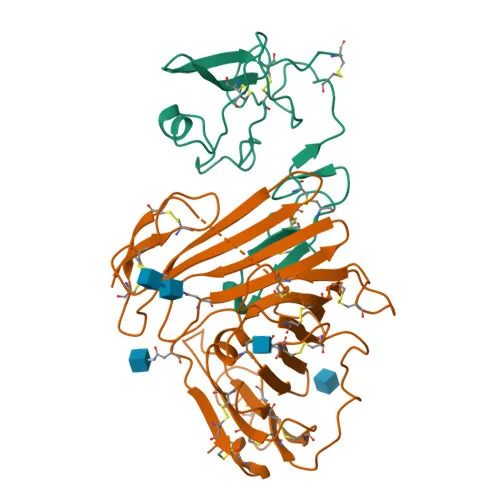
Monoclonal Antibodies
PE Rabbit anti-Mouse CD87 mAb for FC - P35456
Item Number : CM0004148
Price varies based on specs and customizations
- Application
- FC
- Cross Reactivity
- Mouse
- Protein Weight
- 24kDa/35kDa

Shipping:
Contact us to get shipping details Enjoy On-time Dispatch Guarantee.
Why Choose Us
Easy ordering process, quality products, and dedicated support for your business success.
Core Product Specifications and Parameters
| Parameter | Value |
|---|---|
| Product Name | PE Rabbit anti-Mouse CD87 mAb |
| Remarks/Alias | Cd87; uPAR; u-PAR |
| Species | Mouse |
| GeneID (human) | 5329 |
| GeneID | 18793 |
| Immunogen | Recombinant protein|Recombinant fusion protein containing a sequence corresponding to amino acids 24-297 of mouse CD87 (NP_035243.1). |
| Source | Rabbit |
| Category | Monoclonal Antibodies |
| Application | FC |
| Cross Reactivity | Mouse |
| SWISS | P35456 |
| Protein Weight | 24kDa/35kDa |
| Shipping | Ice bag |
Biological Background: CD87 Function and Localization
- CD87, also known as uPAR (urokinase plasminogen activator surface receptor) or u-PAR, is encoded by the Plaur gene in mouse (UniProt P35456).
- As a GPI-anchored receptor, CD87 recruits and activates urokinase-type plasminogen activator (uPA) at the cell surface, which converts plasminogen into plasmin, driving extracellular matrix degradation and tissue remodeling.
- Besides its proteolytic role, CD87 binds the extracellular matrix protein vitronectin, promoting cell-matrix adhesion and supporting integrin-mediated signaling pathways that influence cell migration and proliferation.
- CD87 localizes predominantly on the cell membrane and is enriched at invadopodia, specialized cell projections involved in matrix invasion; a secreted soluble form also exists.
- Expression is detected at the protein level in angiogenic endothelial cells, highlighting its role in vascular remodeling.
- The protein undergoes alternative splicing and extensive post-translational modifications, including N-linked glycosylation, disulfide bond formation, and attachment of a GPI anchor.
Experimental Guidance and Technical Tips
- The immunogen corresponds to amino acids 24-297 of mouse CD87, covering most of the extracellular domain; thus, this antibody is expected to recognize both membrane-bound and soluble forms.
- The antibody is directly conjugated to PE, making it suitable for single-step flow cytometry without secondary staining. Verify optimal staining concentration by titration in the target cell population.
- Since the antibody is a rabbit monoclonal, high specificity and lot-to-lot consistency are expected. However, performance should be validated in the relevant mouse sample system.
- For flow cytometry, prepare single-cell suspensions and include appropriate isotype control and Fc block to minimize non-specific binding. Consider using live/dead discrimination to exclude dead cells.
CamelBio: Your One-Stop Sourcing Bridge
CamelBio provides one-stop access to IVD raw materials, enabling diagnostic manufacturers and research institutes to streamline their workflow from concept to clinic. This PE-conjugated anti-CD87 antibody supports research in fibrinolysis, cell migration, and cancer invasion models, and CamelBio can source complementary products such as validated antibody pairs, recombinant proteins, and bulk ancillary reagents for your assay development. Reach out to our team for custom antibody generation or rare target raw-material sourcing to accelerate your project.
REQUEST A QUOTE
Our professional team will reply to you within one business day. Please feel free to contact us!