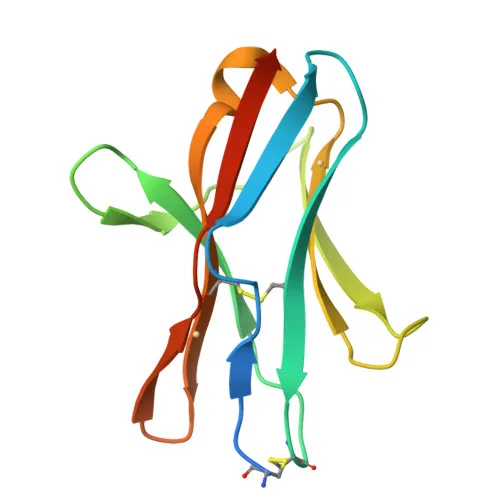
Monoclonal Antibodies
PE Rabbit anti-Mouse CD272/BTLA Monoclonal Antibody for FC - Q7TSA3
Item Number : CM0009654
Price varies based on specs and customizations
- Application
- FC
- Cross Reactivity
- Mouse
- Protein Weight
- 22kDa/34kDa

Shipping:
Contact us to get shipping details Enjoy On-time Dispatch Guarantee.
Why Choose Us
Easy ordering process, quality products, and dedicated support for your business success.
Core Product Specifications and Parameters
| Parameter | Value |
|---|---|
| Product Name | PE Rabbit anti-Mouse CD272/BTLA mAb |
| Remarks/Alias | A630002H24 |
| Species | Mouse |
| GeneID (Human) | 151888 |
| GeneID | 208154 |
| Immunogen | Recombinant protein|Recombinant fusion protein containing a sequence corresponding to amino acids 30-176 of mouse CD272/BTLA (NP_001032808.2). |
| Source | Rabbit |
| Category | Monoclonal Antibodies |
| Application | FC |
| Cross Reactivity | Mouse |
| SWISS | Q7TSA3 |
| Protein Weight | 22kDa/34kDa |
| Shipping | Ice bag |
Biological Background: CD272/BTLA Function and Localization
- BTLA (B- and T-lymphocyte attenuator) is an inhibitory receptor of the immunoglobulin superfamily, also known as B- and T-lymphocyte-associated protein.
- BTLA negatively regulates antigen receptor signaling in lymphocytes by recruiting phosphatases PTPN6/SHP-1 and PTPN11/SHP-2. Related references: PMID:12796776 PMID:14652006
- It can interact with TNFRSF14 in both cis (on the same cell) and trans (on different cells), modulating immune responses. Related references: PMID:19915044
- BTLA is localized to the cell membrane.
- It is predominantly expressed in splenic T- and B-cells, lymph nodes, and also found in macrophages, NK cells, and dendritic cells, with weak expression in somatic tissues.
- The protein undergoes post-translational modifications including glycosylation and phosphorylation, and contains disulfide bonds and a transmembrane domain.
- Alternative splicing generates multiple isoforms.
Experimental Guidance and Technical Tips
- As the immunogen covers the extracellular domain (amino acids 30-176), the antibody likely recognizes the native cell surface BTLA, making it suitable for flow cytometry.
- For FC, consider performing a titration to determine the optimal antibody concentration for your specific sample to minimize background and maximize resolution.
- Validate staining in known BTLA-expressing mouse lymphocyte populations, such as splenic T and B cells, to confirm specificity.
CamelBio: Your One-Stop Sourcing Bridge
CamelBio provides a comprehensive suite of IVD raw materials and technical support, covering every stage from concept to clinic. This anti-CD272/BTLA monoclonal antibody exemplifies our portfolio for immune checkpoint research, available alongside validated antibody pairs, optimized bulk reagents, and rare target sourcing. Partner with us to streamline your diagnostic development with reliable, one-stop access to critical raw materials.
REQUEST A QUOTE
Our professional team will reply to you within one business day. Please feel free to contact us!