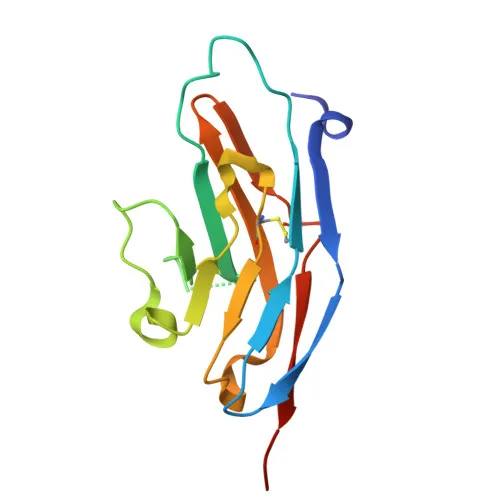
Monoclonal Antibodies
PE Rabbit anti-Human Siglec-7/CD328 Monoclonal Antibody for FC - Q9Y286
Item Number : CM0006162
Price varies based on specs and customizations
- Application
- FC
- Cross Reactivity
- Human
- Protein Weight
- 51kDa

Shipping:
Contact us to get shipping details Enjoy On-time Dispatch Guarantee.
Why Choose Us
Easy ordering process, quality products, and dedicated support for your business success.
Core Product Specifications and Parameters
| Parameter | Value |
|---|---|
| Product Name | PE Rabbit anti-Human Siglec-7/CD328 mAb |
| Remarks/Alias | p75; QA79; AIRM1; CD328; AIRM-1; CDw328; D-siglec; SIGLEC-7; SIGLECP2; SIGLEC19P; p75/AIRM1 |
| Species | Human |
| GeneID (human) | 27036 |
| GeneID | 27036 |
| Immunogen | Recombinant protein|Recombinant fusion protein containing a sequence corresponding to amino acids 18-144 of human Siglec-7/CD328 (NP_055200.1). |
| Source | Rabbit |
| Category | Monoclonal Antibodies |
| Application | FC |
| Cross Reactivity | Human |
| SWISS | Q9Y286 |
| Protein Weight | 51kDa |
| Shipping | Ice bag |
Biological Background: Siglec-7 Function and Localization
- Sialic acid-binding Ig-like lectin 7 (Siglec-7), also known as CD328, AIRM-1, p75, and D-siglec, is encoded by the SIGLEC7 gene. It is a single-pass type I membrane protein belonging to the immunoglobulin superfamily.
- Functions as a putative adhesion molecule that mediates sialic-acid dependent binding to cells, with preference for α-2,3- and α-2,6-linked sialic acids and disialogangliosides. The sialic acid recognition site may be masked by cis interactions on the same cell surface.
- Acts as an inhibitory receptor in the immune response: upon ligand engagement, it undergoes tyrosine phosphorylation and recruits cytoplasmic phosphatases (e.g., SHP-1, SHP-2) via SH2 domains, leading to dephosphorylation of signaling molecules and attenuation of immune cell activation.
- Mediates inhibition of natural killer (NK) cell cytotoxicity, playing a critical role in regulating NK cell function and innate immunity.
- Involved in hematopoiesis; has been shown to inhibit differentiation of CD34+ cell precursors toward the myelomonocytic lineage and suppress proliferation of leukemic myeloid cells in vitro.
- Predominantly expressed on resting and activated NK cells, with lower levels on granulocytes and monocytes. High expression is observed in placenta, liver, lung, spleen, and peripheral blood leukocytes.
- Post-translational modifications include glycosylation and phosphorylation. Contains a signal peptide, an extracellular region with two Ig-like domains (one V-set, one C2-set), a transmembrane helix, and a cytoplasmic tail with ITIM and ITIM-like motifs.
Experimental Guidance and Technical Tips
- Since the immunogen corresponds to the extracellular domain (aa 18-144), the antibody likely recognizes an epitope in the N-terminal region, suitable for detecting native surface Siglec-7.
- This PE-conjugated antibody is intended for direct flow cytometry; optimal working dilution should be determined experimentally by titration in the relevant cell system (e.g., human PBMCs or NK cell lines).
- Consider including appropriate isotype controls and Fc receptor blocking to minimize non-specific binding.
- For combined multicolor flow cytometry panels, verify that the PE conjugate is compatible with other fluorophores and compensate appropriately.
CamelBio: Your One-Stop Sourcing Bridge
As a dedicated IVD raw material partner, CamelBio offers a streamlined sourcing experience for diagnostic developers and researchers. This anti-Siglec-7 antibody serves researchers in immunology and immuno-oncology, supporting studies on NK cell regulation and immune checkpoints. CamelBio provides validated antibody pairs, bulk monoclonal and polyclonal antibodies, and ancillary reagents, along with customized sourcing for rare targets.
Product Datasheet
PE Rabbit anti-Human Siglec-7/CD328 Monoclonal Antibody for FC - Q9Y286
REQUEST A QUOTE
Our professional team will reply to you within one business day. Please feel free to contact us!