Monoclonal Antibodies
PE Rabbit anti-Human RANKL/CD254 Monoclonal Antibody for Flow Cytometry (Intracellular) - O14788
Item Number : CM0012196
Price varies based on specs and customizations
- Application
- FC (intra)
- Cross Reactivity
- Human
- Protein Weight
- 27kDa/30kDa/35kDa

Shipping:
Contact us to get shipping details Enjoy On-time Dispatch Guarantee.
Why Choose Us
Easy ordering process, quality products, and dedicated support for your business success.
Core Product Specifications and Parameters
| Parameter | Value |
|---|---|
| Product Name | PE Rabbit anti-Human RANKL/CD254 mAb |
| Remarks/Alias | ODF; OPGL; sOdf; CD254; OPTB2; RANKL; TNLG6B; TRANCE; hRANKL2 |
| Species | Human |
| Gene ID | 8600 |
| Immunogen | Recombinant fusion protein containing a sequence corresponding to amino acids 136-317 of human RANKL/CD254 (NP_003692.1) |
| Source | Rabbit |
| Category | Monoclonal Antibodies |
| Application | FC (intra) |
| Cross Reactivity | Human |
| SWISS | O14788 |
| Protein Weight | 27kDa/30kDa/35kDa |
| Shipping | Ice bag |
Biological Background: RANKL/CD254 Function and Localization
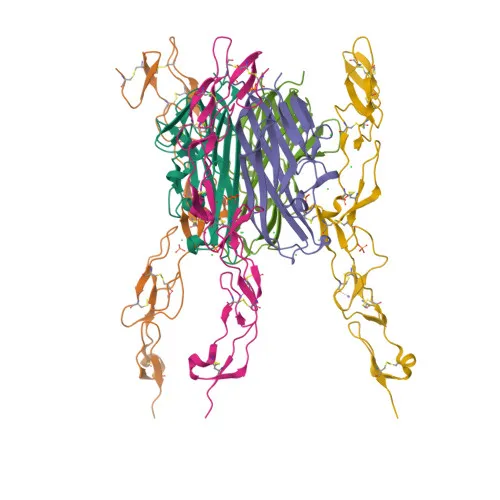
- TNFSF11, also known as RANKL, OPGL, ODF, TRANCE, and CD254, is a member of the tumor necrosis factor (TNF) ligand superfamily (UniProt: O14788).
- It functions as a key cytokine by binding to TNFRSF11A/RANK and TNFRSF11B/OPG, acting as an osteoclast differentiation and activation factor. Related references: PMID:22664871
- In the immune system, RANKL enhances dendritic cell-mediated stimulation of naive T-cell proliferation and regulates T-cell/dendritic cell interactions (By similarity).
- It induces osteoclastogenesis through activation of signaling pathways leading to NFATC1 nuclear translocation and osteoclast-specific gene transcription; also induces CREB1 activation and mitochondrial ROS via TMEM64-ATP2A2 axis (By similarity).
- Subcellularly, RANKL exists as a transmembrane protein on the cell membrane, but can also be shed and secreted, with detection in cytoplasm and secreted forms.
- Highest expression is found in peripheral lymph nodes, with weaker expression in spleen, peripheral blood leukocytes, bone marrow, heart, placenta, skeletal muscle, stomach, and thyroid.
- Post-translational modifications include glycosylation, and alternative splicing produces multiple isoforms, contributing to its functional diversity; mutations in TNFSF11 are associated with osteopetrosis.
- Keywords include cytokine, membrane, alternative splicing, developmental protein, glycoprotein, signal-anchor, and transmembrane helix.
Experimental Guidance and Technical Tips
- The immunogen spans the extracellular domain (aa 136-317), which may recognize both membrane-bound and soluble RANKL. For intracellular flow cytometry, ensure adequate cell permeabilization and consider including unstimulated controls.
- As a PE-conjugated antibody, protect from light and avoid repeated freeze-thaw cycles to maintain fluorescence intensity and antibody integrity.
- Validate performance in relevant cellular models such as activated T cells, osteoclast precursors, or RANKL-expressing cell lines. Titrate the antibody to determine the optimal staining concentration for your specific system.
- If using in combination with other fluorophores, carefully design compensation controls to avoid spectral overlap artifacts.
CamelBio: Your One-Stop Sourcing Bridge
CamelBio supports diagnostic manufacturers and research groups by providing validated antibody pairs, optimized monoclonal and polyclonal antibodies, bulk ancillary reagents, and efficient sourcing of rare-target raw materials. For studies on bone metabolism, immune regulation, or related disease markers, our one-stop supply model ensures seamless access to critical reagents tailored to your workflow – contact us to discuss custom or bulk sourcing needs.
Product Datasheet
PE Rabbit anti-Human RANKL/CD254 Monoclonal Antibody for Flow Cytometry (Intracellular) - O14788
REQUEST A QUOTE
Our professional team will reply to you within one business day. Please feel free to contact us!