Monoclonal Antibodies
PE Rabbit anti-Human LGR5 (GPR49) Monoclonal Antibody for Flow Cytometry - O75473
Item Number : CM0008654
Price varies based on specs and customizations
- Application
- FC
- Cross Reactivity
- Human
- Protein Weight
- 100kDa

Shipping:
Contact us to get shipping details Enjoy On-time Dispatch Guarantee.
Why Choose Us
Easy ordering process, quality products, and dedicated support for your business success.
Core Product Specifications and Parameters
| Parameter | Value |
|---|---|
| Product Name | PE Rabbit anti-Human LGR5 (GPR49) mAb |
| Remarks/Alias | FEX; HG38; GPR49; GPR67; GRP49 |
| Species | Human |
| GeneID (human) | 8549 |
| GeneID | 8549 |
| Immunogen | Synthetic peptide corresponding to a sequence within amino acids 480-580 of human LGR5 (NP_003658.1) |
| Source | Rabbit |
| Category | Monoclonal Antibodies |
| Application | FC |
| Cross Reactivity | Human |
| SWISS | O75473 |
| Protein Weight | 100kDa |
| Shipping | Ice bag |
Biological Background: LGR5 Function and Localization
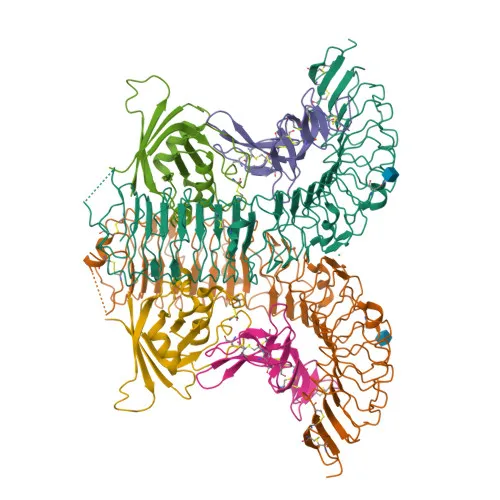
- LGR5, also known as GPR49, GPR67, and HG38, is a leucine-rich repeat-containing G protein-coupled receptor that functions as a receptor for R-spondins.
- It potentiates the canonical Wnt signaling pathway by associating with phosphorylated LRP6 and frizzled receptors upon R-spondin binding, increasing target gene expression.
- Unlike classical GPCRs, LGR5 does not activate heterotrimeric G proteins to transduce signals.
- LGR5 is a well-established stem cell marker for intestinal epithelium and hair follicle, playing a crucial role in the development and maintenance of adult intestinal stem cells during postembryonic development.
- Subcellularly, LGR5 localizes to the cell membrane, Golgi apparatus, and trans-Golgi network membrane.
- It is expressed in skeletal muscle, placenta, spinal cord, and brain regions, and specifically at the base of crypts in colonic and small intestine mucosa stem cells; overexpression is observed in ovarian, colon, and liver cancers.
- The protein is subject to alternative splicing and contains key structural features such as disulfide bonds, a glycoprotein nature, leucine-rich repeats, and seven transmembrane helices.
Experimental Guidance and Technical Tips
- The immunogen corresponds to a C-terminal intracellular region (amino acids 480-580), potentially suitable for detecting total LGR5 expression; verify epitope accessibility in your flow cytometry protocol.
- For flow cytometry, ensure appropriate cell permeabilization if targeting intracellular epitopes, or use surface staining protocols if the epitope is surface-exposed.
- Validate antibody performance in relevant cell types known to express LGR5, such as intestinal organoids, colorectal cancer cell lines, or hair follicle cells, and include positive and negative controls.
- Given low LGR5 expression in some stem cell populations, consider signal amplification strategies or the use of recombinant protein controls to optimize detection.
CamelBio: Your One-Stop Sourcing Bridge
CamelBio provides diagnostic manufacturers and research institutes with a streamlined, one-stop channel for IVD raw materials. From validated antibody pairs and monoclonal/polyclonal antibodies to bulk ancillary reagents, we support your development of stem cell and oncology assays. Our sourcing network ensures timely access to both common and rare-target reagents, accelerating your path from concept to clinic.
Product Datasheet
PE Rabbit anti-Human LGR5 (GPR49) Monoclonal Antibody for Flow Cytometry - O75473
REQUEST A QUOTE
Our professional team will reply to you within one business day. Please feel free to contact us!