Monoclonal Antibodies
PE Rabbit anti-Human ENPP3/CD203c mAb - O14638
Item Number : CM0011885
Price varies based on specs and customizations
- Application
- FC
- Cross Reactivity
- Human
- Protein Weight
- 100kDa

Shipping:
Contact us to get shipping details Enjoy On-time Dispatch Guarantee.
Why Choose Us
Easy ordering process, quality products, and dedicated support for your business success.
Core Product Specifications and Parameters
| Parameter | Value |
|---|---|
| Product Name | PE Rabbit anti-Human ENPP3/CD203c mAb |
| Remarks/Alias | B10; NPP3; PDNP3; CD203c; PD-IBETA |
| Species | Human |
| GeneID (human) | 5169 |
| GeneID | 5169 |
| Immunogen | Recombinant protein |
| Source | Rabbit |
| Category | Monoclonal Antibodies |
| Application | FC |
| Cross Reactivity | Human |
| SWISS | O14638 |
| Protein Weight | 100kDa |
| Shipping | Ice bag |
Biological Background: ENPP3/CD203c Function and Localization
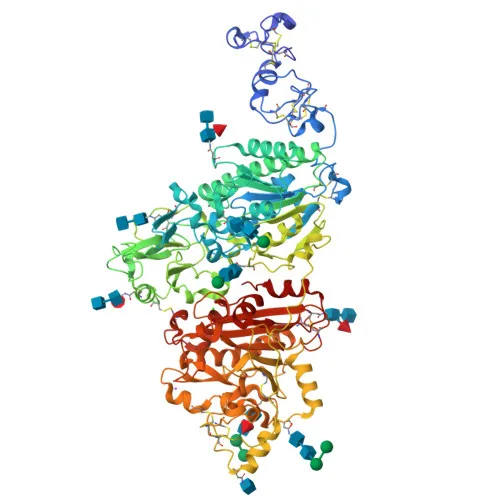
- ENPP3, also known as CD203c, PD-Ibeta, and NPP3, is a type II transmembrane glycoprotein belonging to the ectonucleotide pyrophosphatase/phosphodiesterase (ENPP) family.
- ENPP3 functions as an extracellular hydrolase that metabolizes a broad range of nucleotides, including ATP, GTP, UTP, CTP, and dinucleoside polyphosphates, thereby regulating purinergic signaling and inflammatory responses. Related references: PMID:29717535, PMID:9344668, PMID:12846830
- It also hydrolyzes 2',3'-cGAMP, a key second messenger in innate immunity, thus modulating STING-dependent type-I interferon production and immune responses. Related references: PMID:38749434
- ENPP3 limits mast cell and basophil activation during allergic inflammation by eliminating extracellular ATP, an autocrine signaling molecule.
- In the small intestine, ENPP3 metabolizes luminal ATP to prevent ATP-induced apoptosis of plasmacytoid dendritic cells, maintaining intestinal immune homeostasis.
- ENPP3 is localized at the cell membrane, enriched on the apical surface in polarized cells, and can be secreted. This protein is highly expressed on basophils and mast cells, and detected in prostate, uterus, and bile duct epithelium.
- Post-translational modifications include glycosylation, disulfide bond formation, and metal-binding (calcium, zinc) essential for its phosphodiesterase activity.
Experimental Guidance and Technical Tips
- The immunogen covers the extracellular domain (amino acids 551-875), suggesting the antibody can recognize the native surface-expressed ENPP3 on live cells. Validate in relevant sample systems such as whole blood or purified basophils.
- For flow cytometry, titrate the antibody to determine the optimal concentration for your specific experimental conditions. Include appropriate isotype controls and account for PE spectral overlap with other fluorochromes.
- ENPP3/CD203c is a well-established marker for basophil activation; consider using this antibody in conjunction with other lineage markers to study allergic inflammation or immune cell phenotyping.
CamelBio: Your One-Stop Sourcing Bridge
CamelBio offers a comprehensive portfolio of IVD raw materials, including this PE-conjugated anti-ENPP3 antibody, to support diagnostic development in allergy and immune monitoring. Beyond ready-to-use flow cytometry reagents, we supply validated antibody pairs, optimized monoclonal/polyclonal antibodies, bulk ancillary reagents, and can source rare targets to streamline your assay development pipeline. Partner with CamelBio for efficient, end-to-end raw material solutions from concept to clinic.
REQUEST A QUOTE
Our professional team will reply to you within one business day. Please feel free to contact us!