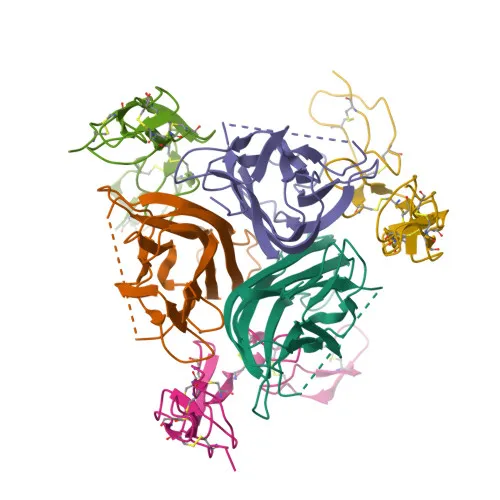
Monoclonal Antibodies
PE Rabbit anti-Human CD261/TRAIL-R1 Monoclonal Antibody for FC - O00220
Item Number : CM0010458
Price varies based on specs and customizations
- Application
- FC
- Cross Reactivity
- Human
- Protein Weight
- 50kDa

Shipping:
Contact us to get shipping details Enjoy On-time Dispatch Guarantee.
Why Choose Us
Easy ordering process, quality products, and dedicated support for your business success.
Core Product Specifications and Parameters
| Parameter | Description |
|---|---|
| Product Name | PE Rabbit anti-Human CD261/TRAIL-R1 mAb |
| Remarks/Alias | TNFRSF10A; APO2; CD261; DR4; TRAILR-1; TRAILR1; TNF receptor superfamily member 10a |
| Species | Human |
| Gene ID (Human) | 8797 |
| Gene ID | 8797 |
| Immunogen | Recombinant fusion protein containing a sequence corresponding to amino acids 124-232 of human CD261/TRAIL-R1 (NP_003835.3) |
| Source | Rabbit |
| Category | Monoclonal Antibodies |
| Application | FC |
| Cross Reactivity | Human |
| SWISS | O00220 |
| Protein Weight | 50kDa |
| Shipping | Ice bag |
Biological Background: CD261/TRAIL-R1 Function and Localization
- CD261/TRAIL-R1 (TNFRSF10A), also known as Death Receptor 4 (DR4), is a cell surface receptor for the cytotoxic ligand TNFSF10/TRAIL. Related references: PMID:26457518, PMID:38532423
- Upon TRAIL binding, the receptor trimerizes and recruits the adapter molecule FADD, which in turn recruits and activates caspase-8, forming the death-inducing signaling complex (DISC) to initiate apoptosis. Related references: PMID:19090789
- TRAIL-R1 also promotes the activation of NF-kappa-B signaling, linking death receptor engagement to inflammatory and survival pathways. Related references: PMID:9430227
- The receptor is widely expressed, with high levels observed in spleen, peripheral blood leukocytes, small intestine, thymus, and certain tumor cells such as K-562 and MCF-7, as well as activated T-cells.
- Subcellularly, TRAIL-R1 localizes to the cell membrane and membrane rafts, but can also be found in the cytosol, reflecting its dynamic trafficking upon stimulation.
- Key structural features include an extracellular cysteine-rich domain, a single transmembrane helix, disulfide bonds, and glycosylation sites; post-translational modifications such as methylation and phosphorylation may regulate its activity.
Experimental Guidance and Technical Tips
- The immunogen corresponds to the extracellular domain (amino acids 124–232), suggesting the antibody likely recognizes an extracellular epitope, making it suitable for flow cytometry without permeabilization.
- For FC, consider titrating the antibody to determine the optimal concentration for your cell type and experimental conditions.
- Use appropriate isotype controls and viability dyes to ensure specific and accurate detection of CD261/TRAIL-R1 on live cells.
- Validate the antibody’s reactivity in your experimental model system and check for any nonspecific binding.
CamelBio: Your One-Stop Sourcing Bridge
CamelBio partners with diagnostic manufacturers and research laboratories to supply high-quality IVD raw materials, including validated antibody pairs, optimized monoclonal/polyclonal antibodies, and bulk ancillary reagents. This PE-conjugated anti-human CD261/TRAIL-R1 antibody supports apoptosis and death receptor research; we also offer sourcing for rare targets and custom development to bridge your projects from concept to clinic.
Product Datasheet
PE Rabbit anti-Human CD261/TRAIL-R1 Monoclonal Antibody for FC - O00220
REQUEST A QUOTE
Our professional team will reply to you within one business day. Please feel free to contact us!