Monoclonal Antibodies
PE Rabbit anti-Human CD167a/DDR1 Monoclonal Antibody for FC - Q08345
Item Number : CM0010222
Price varies based on specs and customizations
- Application
- FC
- Cross Reactivity
- Human
- Protein Weight
- 101kDa

Shipping:
Contact us to get shipping details Enjoy On-time Dispatch Guarantee.
Why Choose Us
Easy ordering process, quality products, and dedicated support for your business success.
Easy Process
Quality Assured
Dedicated Support
Core Product Specifications and Parameters
| Parameter | Value |
|---|---|
| Product Name | PE Rabbit anti-Human CD167a/DDR1 mAb |
| Remarks/Alias | CAK; DDR; NEP; HGK2; PTK3; RTK6; TRKE; CD167; EDDR1; MCK10; NTRK4; PTK3A |
| Species | Human |
| GeneID (Human) | 780 |
| GeneID | 780 |
| Immunogen | Recombinant fusion protein containing a sequence corresponding to amino acids 21-416 of human CD167a/DDR1 (NP_054699.2) |
| Source | Rabbit |
| Category | Monoclonal Antibodies |
| Application | FC |
| Cross Reactivity | Human |
| SWISS | Q08345 |
| Protein Weight | 101kDa |
| Shipping | Ice bag |
Biological Background: CD167a/DDR1 Function and Localization
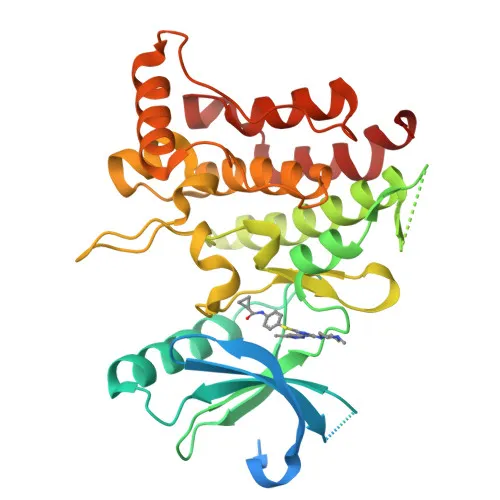
- CD167a/DDR1, also known as epithelial discoidin domain-containing receptor 1, is a tyrosine kinase receptor encoded by the DDR1 gene, with multiple aliases including CAK, EDDR1, MCK10, NTRK4, PTK3A, RTK6, and TRKE.
- DDR1 acts as a cell surface receptor for fibrillar collagen, and upon ligand binding, triggers downstream signaling involving SRC and MAP kinases, regulating cell attachment, migration, survival, and proliferation.
- It plays a key role in extracellular matrix remodeling by upregulating matrix metalloproteinases (MMP2, MMP7, MMP9), thereby facilitating cell migration and wound healing.
- DDR1 is required for normal developmental processes, including blastocyst implantation during pregnancy, mammary gland differentiation and lactation, and normal ear morphology and hearing.
- In arterial smooth muscle cells, DDR1 promotes migration and contributes to wound healing; it also has a role in tumor cell invasion.
- The receptor is predominantly localized at the cell membrane, with a secreted isoform also reported; it is expressed at the highest levels in brain, lung, placenta, and kidney, and is abundant in various carcinoma cell lines.
- DDR1 undergoes alternative splicing, is glycosylated, and contains ATP-binding and kinase domains; post-translational modifications include phosphorylation.
Experimental Guidance and Technical Tips
- The immunogen used is a recombinant fusion protein covering amino acids 21-416 of human CD167a/DDR1, which includes the extracellular domain; this design may help target the native conformation of the receptor.
- This antibody is validated for flow cytometry (FC); consider titrating the antibody to determine the optimal concentration for your specific cell type and experimental conditions.
- For FC experiments, include appropriate isotype controls and ensure proper gating to exclude dead cells and debris; CD167a/DDR1 expression may vary between cell lines and tissues, so validate in the relevant sample system.
- If using this antibody in other applications not listed, perform orthogonal validation to confirm specificity.
CamelBio: Your One-Stop Sourcing Bridge
- CamelBio offers diagnostic manufacturers, labs, and research institutes a comprehensive portfolio of IVD raw materials, including validated monoclonal antibodies like this PE-conjugated anti-CD167a/DDR1 antibody for flow cytometry applications.
- Whether you need bulk ancillary reagents, optimized antibody pairs, or assistance sourcing rare-target raw materials, we provide end-to-end support from concept to clinic.
- Our expertise in molecular biology reagents ensures reliable supply for cancer research, cell signaling studies, and diagnostic development focused on receptor tyrosine kinases.
REQUEST A QUOTE
Our professional team will reply to you within one business day. Please feel free to contact us!