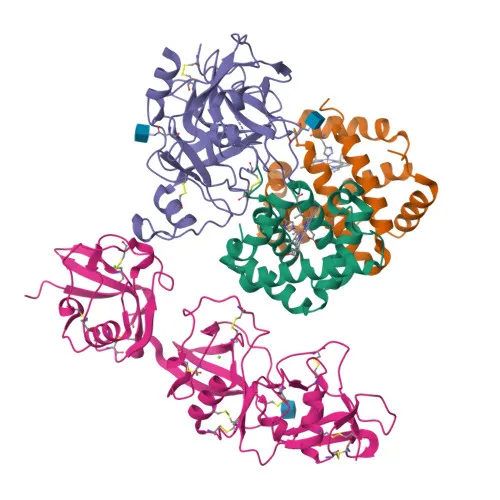
Monoclonal Antibodies
PE Rabbit anti-Human CD163 mAb for FC - Q86VB7
Item Number : CM0009156
Price varies based on specs and customizations
- Application
- FC
- Cross Reactivity
- Human
- Protein Weight
- 125 kDa

Shipping:
Contact us to get shipping details Enjoy On-time Dispatch Guarantee.
Why Choose Us
Easy ordering process, quality products, and dedicated support for your business success.
Core Product Specifications and Parameters
| Parameter | Value |
|---|---|
| Product Name | PE Rabbit anti-Human CD163 mAb |
| Remarks/Alias | M130; MM130; SCARI1 |
| Species | Human |
| GeneID (human) | 9332 |
| GeneID | 9332 |
| Immunogen | Recombinant protein|Recombinant fusion protein containing a sequence corresponding to amino acids 42-1045 of human IL-10RA/CD210 (NP_004235.4). |
| Source | Rabbit |
| Category | Monoclonal Antibodies |
| Application | FC |
| Cross Reactivity | Human |
| SWISS | Q86VB7 |
| Protein Weight | 125 kDa |
| Shipping | Ice bag |
Biological Background: CD163 Function and Localization
- CD163, also known as scavenger receptor cysteine-rich type 1 protein M130 or hemoglobin scavenger receptor, is encoded by the CD163 gene and exists in multiple isoforms due to alternative splicing.
- It functions as an acute phase-regulated receptor on macrophages, mediating clearance and endocytosis of hemoglobin/haptoglobin complexes to protect tissues from free hemoglobin-mediated oxidative damage and facilitate iron recycling.
- The receptor binds hemoglobin/haptoglobin complexes in a calcium- and pH-dependent manner, exhibiting higher affinity for complexes with multimeric haptoglobin (HP*1F phenotype).
- Ligand engagement triggers intracellular signaling cascades, including tyrosine kinase-dependent calcium mobilization, inositol triphosphate production, and secretion of proinflammatory cytokines such as IL-6 and CSF-1.
- Isoform 3 demonstrates the highest capacity for ligand endocytosis and surface expression, and is the predominant form detected in blood.
- The soluble ectodomain (sCD163), shed from the cell surface, functions as an anti-inflammatory factor and serves as a biomarker for macrophage activation in inflammatory diseases.
- CD163 is expressed on the cell membrane and secreted; tissue expression is restricted to monocytes and tissue-resident macrophages, including Kupffer cells, splenic red pulp macrophages, and bone marrow macrophages.
Experimental Guidance and Technical Tips
- The immunogen used to generate this antibody is a recombinant fusion protein corresponding to amino acids 42–1045 of human IL-10RA/CD210. Due to the nature of the immunogen, confirm CD163 binding specificity in your target cell system.
- This PE-conjugated antibody is validated for flow cytometry. Titrate to determine the optimal working concentration for your specific cell type and experimental conditions.
- Consider using appropriate Fc receptor blocking reagents and isotype controls to minimize non-specific binding in macrophage-rich samples.
- For best results, validate performance with known CD163-positive human cell lines (e.g., THP-1 differentiated macrophages) or primary monocytes.
CamelBio: Your One-Stop Sourcing Bridge
CamelBio is your one-stop partner for IVD raw materials, offering a comprehensive portfolio of antibodies, recombinant proteins, and ancillary reagents to support diagnostic development from proof-of-concept to commercialization. Our CD163 monoclonal antibody is suited for macrophage and inflammation research, and we can assist with sourcing rare targets and customized bulk orders. Let CamelBio streamline your supply chain with reliable, high-quality raw materials and technical support.
REQUEST A QUOTE
Our professional team will reply to you within one business day. Please feel free to contact us!