Monoclonal Antibodies
PE Mouse anti-Human CD56 Monoclonal Antibody for Flow Cytometry - P13591
Item Number : CM0011175
Price varies based on specs and customizations
- Application
- FC
- Cross Reactivity
- Human
- Host Species
- Mouse

Shipping:
Contact us to get shipping details Enjoy On-time Dispatch Guarantee.
Why Choose Us
Easy ordering process, quality products, and dedicated support for your business success.
Core Product Specifications and Parameters
| Parameter | Value |
|---|---|
| Product Name | PE Mouse anti-Human CD56 mAb |
| Remarks/Alias | CD56; NCAM; MSK39 |
| Species | Human |
| Gene ID | 4684 |
| Immunogen | Synthetic peptide|A synthesized peptide derived from human CD56 |
| Source | Mouse |
| Category | Monoclonal Antibodies |
| Application | FC |
| Cross Reactivity | Human |
| SWISS | P13591 |
| Protein Weight | 40kDa/73kDa/80kDa/83kDa/93kDa/95kDa |
| Shipping | Ice bag |
Biological Background: Neural Cell Adhesion Molecule 1 (CD56/NCAM1) Function and Localization
- Neural cell adhesion molecule 1 (NCAM1, also known as CD56) is a cell adhesion protein that mediates homophilic and heterophilic interactions, playing a key role in neuron-neuron adhesion, neurite fasciculation, and neurite outgrowth.
- NCAM1 is expressed at the cell membrane and also exists as a secreted form, with multiple isoforms generated by alternative splicing that contribute to its diverse molecular weights (ranging from 40 kDa to 95 kDa).
- Beyond its role in neural development, NCAM1 acts as a host cell receptor for viral entry, specifically facilitating infection by rabies virus and Zika virus.
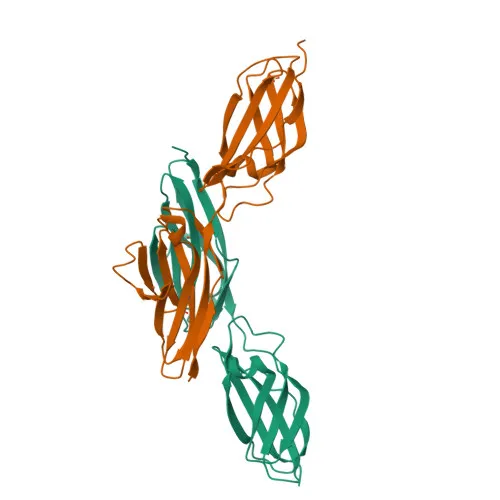
- The protein belongs to the immunoglobulin superfamily and contains multiple immunoglobulin-like domains and fibronectin type-III repeats, characteristic of its structural and adhesive functions.
- NCAM1 undergoes post-translational modifications including glycosylation, phosphorylation, and the addition of a GPI anchor in certain isoforms, which regulate its localization and signaling properties.
- UniProt keywords highlight its involvement in cell adhesion, host-virus interaction, and structural features such as disulfide bonds and transmembrane helices.
Experimental Guidance and Technical Tips
- Perform a titration to determine the optimal concentration for flow cytometry (FC) staining of human cells, as the recommended dilution may vary by sample type and experimental conditions.
- Use appropriate positive and negative controls, such as NK cells or CD56-expressing cell lines, to validate specificity and confirm reactivity in your specific system.
- Protect the PE conjugate from light during handling and storage to preserve fluorophore stability and signal intensity.
- Since the immunogen is a synthetic peptide, the antibody likely recognizes a linear epitope; confirm performance under the fixation and permeabilization conditions used in your assay.
CamelBio: Your One-Stop Sourcing Bridge
CamelBio supports diagnostic manufacturers and research institutions by providing validated monoclonal antibodies, such as this anti-CD56 (NCAM1) PE conjugate, along with antibody pairs and ancillary reagents for flow cytometry applications. Our comprehensive catalog includes antibodies for key targets in neuroscience, immunology, and infectious disease research, with reliable bulk supply and technical support from concept to clinic.
Product Datasheet
PE Mouse anti-Human CD56 Monoclonal Antibody for Flow Cytometry - P13591
REQUEST A QUOTE
Our professional team will reply to you within one business day. Please feel free to contact us!