Polyclonal Antibodies
PDK4 Rabbit Polyclonal Antibody for WB, IHC-P, IF/ICC, ELISA - Q16654
Item Number : CM0016813
Price varies based on specs and customizations
- Application
- WB, IHC-P, IF/ICC, ELISA
- Cross Reactivity
- Human, Mouse, Rat
- Protein Weight
- 46kDa

Shipping:
Contact us to get shipping details Enjoy On-time Dispatch Guarantee.
Why Choose Us
Easy ordering process, quality products, and dedicated support for your business success.
Core Product Specifications and Parameters
| Parameter | Value |
|---|---|
| Product Name | PDK4 Rabbit pAb |
| Remarks/Alias | PDK4 |
| Species | Human |
| GeneID (human) | 5166 |
| GeneID | 5166 |
| Immunogen | Synthetic peptide corresponding to amino acids 102-411 of human PDK4 (NP_002603.1) |
| Source | Rabbit |
| Category | Polyclonal Antibodies |
| Application | WB, IHC-P, IF/ICC, ELISA |
| Cross Reactivity | Human, Mouse, Rat |
| SWISS | Q16654 |
| Protein Weight | 46kDa |
| Shipping | Ice bag |
Biological Background: PDK4 Function and Localization
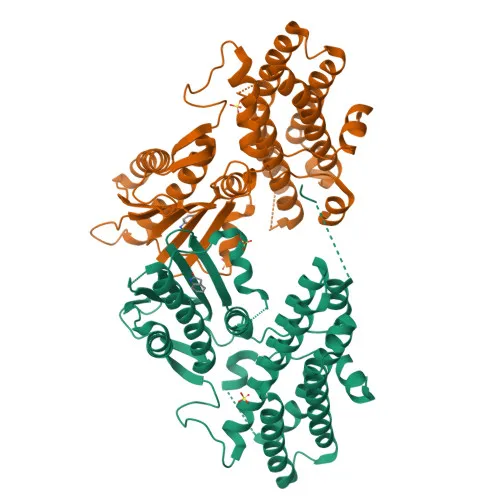
- PDK4 is a mitochondrial kinase that specifically phosphorylates the E1 alpha subunits of pyruvate dehydrogenase (PDHA1 and PDHA2), leading to inactivation of the PDH complex.
- Through PDH regulation, PDK4 controls the flux of pyruvate into the tricarboxylic acid cycle, thereby down-regulating aerobic respiration and promoting fatty acid utilization over glucose oxidation.
- PDK4 is essential for metabolic adaptation during fasting and starvation—it helps maintain blood glucose homeostasis, prevents excessive ketone body formation, and preserves normal blood pH under nutrient-deprived conditions.
- The protein localizes to the mitochondrial matrix via an N-terminal transit peptide and functions as an ATP-binding nucleotide kinase.
- Although expressed ubiquitously, PDK4 exhibits highest levels in heart and skeletal muscle, reflecting its importance in tissues with high metabolic demand and fuel flexibility.
- Beyond metabolic control, PDK4 contributes to reactive oxygen species generation, protects detached epithelial cells from anoikis, and influences cell proliferation by modulating carbohydrate and lipid metabolism.
Experimental Guidance and Technical Tips
- The immunogen spans a large internal region (aa 102–411) of human PDK4; the resulting polyclonal antibody may recognize multiple epitopes, potentially increasing sensitivity but also requiring appropriate negative controls.
- For western blot (WB), a major band at approximately 46 kDa is expected; validate specificity using lysates from tissues or cells with known PDK4 expression (e.g., heart, skeletal muscle) or siRNA knockdown.
- In immunohistochemistry (IHC-P), consider antigen retrieval methods and test the antibody on formalin-fixed paraffin-embedded sections from heart or skeletal muscle; mitochondrial staining should be observed.
- For immunofluorescence (IF/ICC), confirm mitochondrial localization by co-staining with a mitochondrial marker; fixation and permeabilization conditions may need optimization.
- Cross-reactivity is reported for human, mouse, and rat; sequence alignment suggests conserved epitopes, but users should verify performance in their specific model systems.
CamelBio: Your One-Stop Sourcing Bridge
CamelBio supports diagnostic manufacturers, labs, and research institutes with a comprehensive portfolio of IVD raw materials and technical services. For PDK4 and other metabolic targets, we offer validated antibody pairs, optimized monoclonal and polyclonal antibodies, bulk ancillary reagents, and rare-target sourcing—streamlining your workflow from concept to clinic. Partner with us to secure reliable, high-quality reagents tailored to your assay development needs.
Product Datasheet
PDK4 Rabbit Polyclonal Antibody for WB, IHC-P, IF/ICC, ELISA - Q16654
REQUEST A QUOTE
Our professional team will reply to you within one business day. Please feel free to contact us!