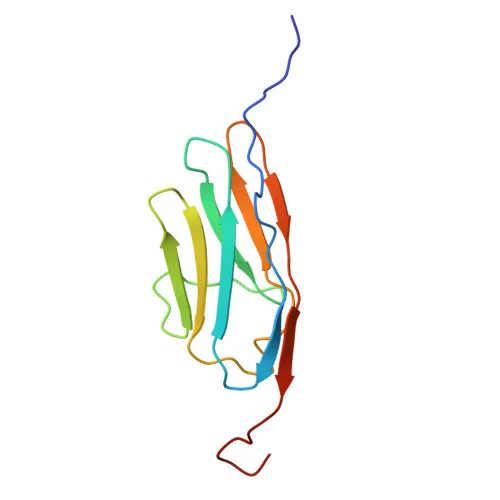
Polyclonal Antibodies
PALLD Rabbit Polyclonal Antibody for WB, IHC-P, IF/ICC, IP, ELISA - Q8WX93
Item Number : CM0016315
Price varies based on specs and customizations
- Application
- WB, IHC-P, IF/ICC, IP, ELISA
- Cross Reactivity
- Human, Mouse, Rat
- Protein Weight
- 151kDa

Shipping:
Contact us to get shipping details Enjoy On-time Dispatch Guarantee.
Why Choose Us
Easy ordering process, quality products, and dedicated support for your business success.
Core Product Specifications and Parameters
| Parameter | Value |
|---|---|
| Product Name | PALLD Rabbit pAb |
| Remarks/Alias | MYN, PNCA1, CGI151, SIH002, CGI-151, PALLD |
| Species | Human |
| GeneID (Human) | 23022 |
| GeneID | 23022 |
| Immunogen | Recombinant fusion protein containing a sequence corresponding to amino acids 383-672 of human PALLD (NP_001159582.1) |
| Source | Rabbit |
| Category | Polyclonal Antibodies |
| Application | WB, IHC-P, IF/ICC, IP, ELISA |
| Cross Reactivity | Human, Mouse, Rat |
| SWISS | Q8WX93 |
| Protein Weight | 151kDa |
| Shipping | Ice bag |
Biological Background: PALLD (Palladin) Function and Localization
- Palladin is a cytoskeletal protein required for organization of the normal actin cytoskeleton, playing key roles in establishing cell morphology, motility, adhesion, and cell-extracellular matrix interactions.
- It functions as a scaffolding molecule that binds to proteins interacting with both monomeric and filamentous actin, and it localizes to sites of active actin remodeling such as lamellipodia and membrane ruffles.
- Different isoforms of palladin may exhibit functional differences, and the protein is involved in controlling morphological and cytoskeletal changes during dendritic cell maturation.
- Palladin is detected in both muscle and non-muscle tissues, with high expression in prostate, ovary, colon, and kidney; it is overexpressed in several sporadic pancreatic cancer cell lines (e.g., FA6, HPAF, IMIM-PC2, SUIT-2, PancTu-II).
- Subcellular localization is broad, including the cytoplasm, cytoskeleton, focal adhesions, sarcomere Z lines, and cell projections like ruffles, podosomes, lamellipodia, axons, and growth cones.
- The protein contains immunoglobulin domains, is subject to phosphorylation, and features disulfide bonds.
- Palladin may target alpha-actinin (ACTN) to specific subcellular foci, contributing to actin cytoskeleton organization.
Experimental Guidance and Technical Tips
- The immunogen (amino acids 383–672) spans a central region of palladin; due to multiple isoforms, consider validating detection of expected molecular weights (predicted ~151 kDa) and any isoform-specific bands in your sample system.
- For Western blotting, use appropriate lysates from human, mouse, or rat cell lines with known palladin expression; include positive and negative controls.
- In immunohistochemistry (IHC-P) and immunofluorescence (IF/ICC), optimize antigen retrieval and fixation methods, as palladin localizes to multiple subcellular structures.
- Cross-reactivity with mouse and rat is indicated, but always verify specificity in the target species and tissue context.
- For immunoprecipitation (IP), test antibody compatibility with your lysis and washing buffers to preserve protein-protein interactions.
CamelBio: Your One-Stop Sourcing Bridge
CamelBio serves as a one-stop sourcing partner for IVD raw materials, supporting manufacturers and researchers from concept to clinic. We offer validated antibodies, bulk ancillary reagents, and rare target procurement for cytoskeleton and cell adhesion research. This PALLD antibody complements our portfolio for cancer biology and actin dynamics assay development.
Product Datasheet
PALLD Rabbit Polyclonal Antibody for WB, IHC-P, IF/ICC, IP, ELISA - Q8WX93
REQUEST A QUOTE
Our professional team will reply to you within one business day. Please feel free to contact us!