Polyclonal Antibodies
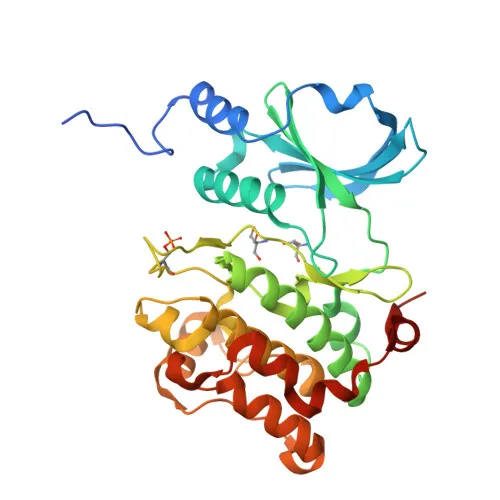
PAK5 Rabbit Polyclonal Antibody for WB, ELISA - Q9P286
Item Number : CM0022242
Price varies based on specs and customizations
- Application
- WB, ELISA
- Cross Reactivity
- Human, Mouse
- Protein Weight
- 81kDa

Shipping:
Contact us to get shipping details Enjoy On-time Dispatch Guarantee.
Why Choose Us
Easy ordering process, quality products, and dedicated support for your business success.
Core Product Specifications and Parameters
| Parameter | Value |
|---|---|
| Product Name | PAK5 Rabbit pAb |
| Remarks/Alias | PAK7; PAK5 |
| Species | Human |
| GeneID (human) | 57144 |
| GeneID | 57144 |
| Immunogen | A synthetic peptide corresponding to a sequence within amino acids 600-700 of human PAK5 (NP_065074.1) |
| Source | Rabbit |
| Category | Polyclonal Antibodies |
| Application | WB, ELISA |
| Cross Reactivity | Human, Mouse |
| SWISS | Q9P286 |
| Protein Weight | 81kDa |
| Shipping | Ice bag |
Biological Background: PAK5 Function and Localization
- PAK5 (serine/threonine-protein kinase PAK 5), also known as PAK7, is a member of the p21-activated kinase family and functions in diverse signaling pathways regulating cytoskeleton dynamics, cell migration, proliferation, and survival.
- Upon activation by growth factor receptors, CDC42, or RAC1, PAK5 undergoes conformational change and autophosphorylation on multiple serine/threonine residues, priming it for substrate phosphorylation.
- PAK5 phosphorylates RAF1 to stimulate its kinase activity, phosphorylates BAD to inhibit apoptosis and promote cell survival, and phosphorylates CTNND1 to modulate cytoskeletal organization and cell morphology.
- It maintains microtubule stability by inhibiting MARK2 and destabilizes the F-actin network, leading to the disappearance of stress fibers and focal adhesions.
- PAK5 localizes to the mitochondrion, cytoplasm, and nucleus, reflecting its involvement in multiple cellular compartments.
- Predominantly expressed in brain, indicating a specialized role in neuronal function and signaling.
- Keywords associated with PAK5 include ATP-binding, apoptosis, kinase, phosphoprotein, and transferase, underscoring its enzymatic and regulatory roles.
Experimental Guidance and Technical Tips
- The immunogen used is a synthetic peptide from the C-terminal region (aa 600-700) of human PAK5; this design may allow recognition of full-length PAK5 and potential isoforms sharing this sequence.
- For Western Blotting, consider using reducing SDS-PAGE and a whole-cell lysate from human or mouse brain tissue, where PAK5 is highly expressed, to verify the ~81 kDa band.
- ELISA may be used for quantitative detection; however, assay conditions such as coating antigen and antibody dilution should be optimized empirically.
- Given the cross-reactivity with mouse, this antibody is suitable for studies in murine models; nevertheless, validate specificity in the relevant sample system before use.
CamelBio: Your One-Stop Sourcing Bridge
CamelBio is your one-stop sourcing partner for IVD raw materials, offering validated antibody pairs, optimized monoclonal and polyclonal antibodies, and bulk ancillary reagents to support your assay development from concept to clinic. With expertise in kinases and cell signaling targets like PAK5, we can help you secure reliable raw materials for your diagnostic or research needs. Contact us to discuss how we can streamline your procurement process for rare or specialized targets.
REQUEST A QUOTE
Our professional team will reply to you within one business day. Please feel free to contact us!