Polyclonal Antibodies
NPR3 Rabbit pAb for WB, IF/ICC, ELISA - P17342
Item Number : CM0024259
Price varies based on specs and customizations
- Application
- WB, IF/ICC, ELISA
- Cross Reactivity
- Human, Mouse, Rat
- Protein Weight
- 60kDa

Shipping:
Contact us to get shipping details Enjoy On-time Dispatch Guarantee.
Why Choose Us
Easy ordering process, quality products, and dedicated support for your business success.
Core Product Specifications and Parameters
| Parameter | Value |
|---|---|
| Product Name | NPR3 Rabbit pAb |
| Remarks/Alias | NPRC; ANP-C; ANPRC; BOMOS; NPR-C; ANPR-C; GUCY2B; C5orf23; NPR3 |
| Species | Human |
| Gene ID (Human) | 4883 |
| Gene ID | 4883 |
| Immunogen | Recombinant fusion protein containing a sequence corresponding to amino acids 200-480 of human NPR3 (NP_001191304.1) |
| Source | Rabbit |
| Category | Polyclonal Antibodies |
| Application | WB, IF/ICC, ELISA |
| Cross Reactivity | Human, Mouse, Rat |
| SWISS | P17342 |
| Protein Weight | 60kDa |
| Shipping | Ice bag |
Biological Background: NPR3 Function and Localization
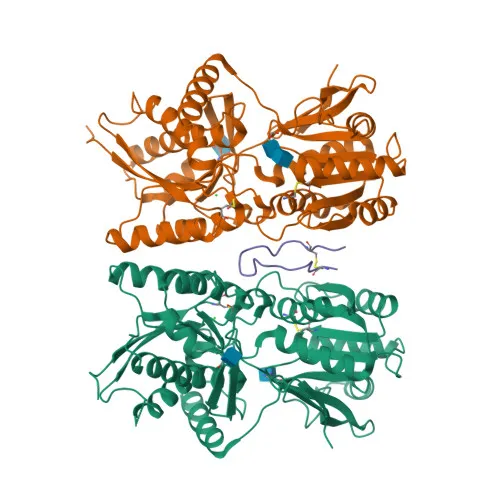
- NPR3, also known as atrial natriuretic peptide clearance receptor or NPR-C, is encoded by the NPR3 gene (Gene ID: 4883). It is a receptor for natriuretic peptide hormones, binding atrial natriuretic peptide (NPPA/ANP), brain natriuretic peptide (NPPB/BNP), and C-type natriuretic peptide (NPPC/CNP) with similar affinities.
- The primary function of NPR3 is to act as a clearance receptor, internalizing and degrading circulating natriuretic peptides to regulate their local concentrations and biological effects.
- Besides its clearance role, NPR3 participates in osteoblast differentiation and bone growth. It binds the ligand osteocrin, which prevents NPR3 from interacting with natriuretic peptides, thereby increasing cGMP production (by similarity).
- Subcellularly, NPR3 is localized to the cell membrane, consistent with its role as a transmembrane receptor.
- The protein undergoes alternative splicing, generating multiple isoforms. It contains characteristic features such as a signal peptide, a disulfide bond, and is known to be glycosylated.
- Key structural and functional keywords associated with NPR3 include transmembrane helix, chloride ion binding, and its classification as a reference proteome member linked to disease variants.
Experimental Guidance and Technical Tips
- The immunogen used is a recombinant fragment covering amino acids 200–480 of human NPR3, which may detect multiple splice variants. Validate specificity in your experimental system.
- For Western blotting, the predicted molecular weight of NPR3 is approximately 60 kDa. Monitor for potential cleavage or glycosylation-related band shifts.
- In immunofluorescence/immunocytochemistry (IF/ICC), expect membrane-associated staining. Use appropriate fixation and permeabilization methods to preserve epitopes.
- When applying this antibody in ELISA, consider pairing with a suitable detection system and running appropriate controls to confirm binding to native or recombinant NPR3.
CamelBio: Your One-Stop Sourcing Bridge
CamelBio supplies diagnostic manufacturers, laboratories, and research institutes with a comprehensive range of IVD raw materials, including validated antibody pairs, optimized monoclonal and polyclonal antibodies, and bulk ancillary reagents. For projects targeting NPR3 in cardiovascular and bone metabolism research, we offer reliable sourcing of rare target raw materials and technical support to accelerate your assay development from concept to clinic.
REQUEST A QUOTE
Our professional team will reply to you within one business day. Please feel free to contact us!