Polyclonal Antibodies
NOP10 Rabbit pAb - Q9NPE3
Item Number : CM0021660
Price varies based on specs and customizations
- Application
- WB, ELISA
- Cross Reactivity
- Human, Mouse
- Protein Weight
- 8kDa

Shipping:
Contact us to get shipping details Enjoy On-time Dispatch Guarantee.
Why Choose Us
Easy ordering process, quality products, and dedicated support for your business success.
Core Product Specifications and Parameters
| Parameter | Value |
|---|---|
| Product Name | NOP10 Rabbit pAb |
| Remarks/Alias | DKCB1; NOLA3; NOP10P; NOP10 |
| Species | Human |
| GeneID (Human) | 55505 |
| GeneID | 55505 |
| Immunogen | Recombinant fusion protein containing a sequence corresponding to amino acids 1-64 of human NOP10 (NP_061118.1) |
| Source | Rabbit |
| Category | Polyclonal Antibodies |
| Application | WB, ELISA |
| Cross Reactivity | Human, Mouse |
| SWISS | Q9NPE3 |
| Protein Weight | 8kDa |
| Shipping | Ice bag |
Biological Background: NOP10 Function and Localization
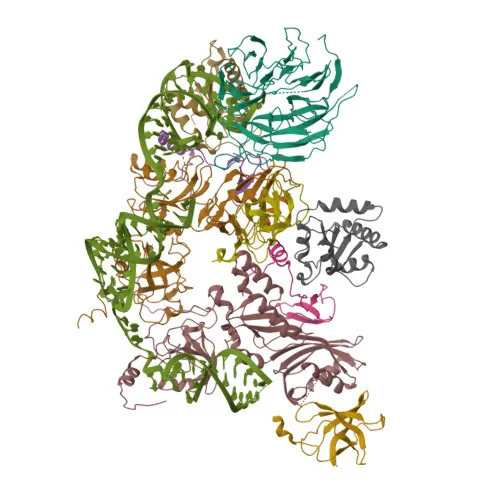
- NOP10, also known as nucleolar protein 10, nucleolar protein family A member 3 (NOLA3), or snoRNP protein NOP10, is a core subunit of the H/ACA small nucleolar ribonucleoprotein (H/ACA snoRNP) complex.
- This complex catalyzes the pseudouridylation of ribosomal RNA (rRNA), converting uridine to pseudouridine, which stabilizes rRNA conformation. Related references: PMID:32554502
- NOP10 is essential for ribosome biogenesis and also participates in telomere maintenance by being required for correct processing and intranuclear trafficking of TERC, the telomerase RNA component.
- The protein localizes predominantly to the nucleolus and Cajal bodies within the nucleus.
- Mutations in the NOP10 gene are associated with dyskeratosis congenita, cataracts, and deafness, highlighting its critical role in cellular homeostasis.
- NOP10 is a small protein with a UniProt-calculated molecular weight of approximately 7.7 kDa, consistent with the 8 kDa observed in experimental settings.
Experimental Guidance and Technical Tips
- For western blot, consider that NOP10 has a low molecular weight (~8 kDa), so using a high-percentage gel (e.g., 15%) and appropriate membrane transfer conditions may improve detection.
- The immunogen covers full-length human NOP10 (aa 1-64); depending on the application, validate the antibody in the relevant species (human, mouse) and sample type.
- For ELISA, pair with a suitable detection system and optimize antibody coating concentrations experimentally.
- As with all polyclonal antibodies, lot-to-lot consistency should be verified in your assay system.
CamelBio: Your One-Stop Sourcing Bridge
CamelBio provides diagnostic manufacturers, labs, and research institutes with a comprehensive range of IVD raw materials, including validated antibody pairs, optimized monoclonal and polyclonal antibodies, and bulk ancillary reagents. For studies on ribosome biogenesis, telomere biology, and nucleolar proteins, our team can also assist in sourcing rare-target raw materials and offer technical consulting to accelerate your project from concept to clinic.
REQUEST A QUOTE
Our professional team will reply to you within one business day. Please feel free to contact us!