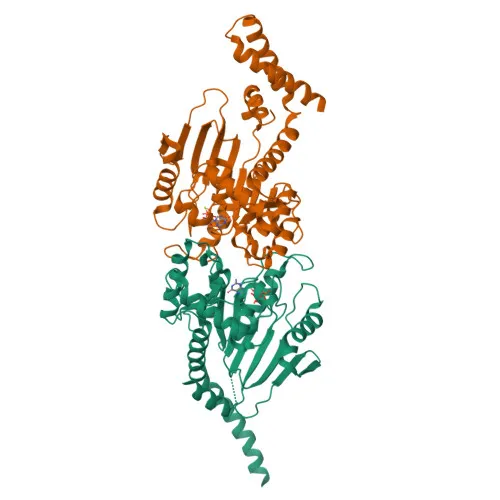
Polyclonal Antibodies
MX1 Rabbit pAb - P20591
Item Number : CM0021127
Price varies based on specs and customizations
- Application
- WB, IHC-P, IF/ICC, ELISA
- Cross Reactivity
- Human, Mouse
- Protein Weight
- 76kDa

Shipping:
Contact us to get shipping details Enjoy On-time Dispatch Guarantee.
Why Choose Us
Easy ordering process, quality products, and dedicated support for your business success.
Core Product Specifications and Parameters
| Parameter | Value |
|---|---|
| Product Name | MX1 Rabbit pAb |
| Remarks/Alias | MX; MxA; IFI78; IFI-78K; lncMX1-215; MX1 |
| Species | Human |
| GeneID (human) | 4599 |
| GeneID | 4599 |
| Immunogen | Recombinant fusion protein containing a sequence corresponding to amino acids 200-300 of human MX1 (NP_001171517.1) |
| Source | Rabbit |
| Category | Polyclonal Antibodies |
| Application | WB, IHC-P, IF/ICC, ELISA |
| Cross Reactivity | Human, Mouse |
| SWISS | P20591 |
| Protein Weight | 76kDa |
| Shipping | Ice bag |
Biological Background: MX1 Function and Localization
- Interferon-induced dynamin-like GTPase that provides broad antiviral activity against a wide range of RNA viruses, and some DNA viruses including hepatitis B virus.
- Inhibits replication of negative-stranded RNA viruses such as Thogoto virus and La Crosse virus by interfering with nucleocapsid transport or sequestering viral nucleoprotein.
- Blocks influenza A virus replication by decreasing or delaying viral NP synthesis and by inhibiting endocytic traffic of incoming virus particles.
- Enhances ER stress-mediated cell death after influenza virus infection, highlighting its role in host defense modulation.
- Subcellular localization is dynamic: cytoplasm, endoplasmic reticulum membrane, perinuclear region, and nucleus, which may be crucial for its antiviral functions.
- Possesses GTP-binding and nucleotide-binding motifs characteristic of the dynamin superfamily, enabling mechanoenzyme activity.
- Known also as Interferon-induced protein p78 (IFI-78K) and Myxovirus resistance protein 1, with post-translational modifications including acetylation and ubiquitination.
- Keywords: 3D-structure, Antiviral defense, Innate immunity, Reference proteome, Ubl conjugation.
Experimental Guidance and Technical Tips
- The immunogen was designed against a region spanning amino acids 200–300 of human MX1, which may confer specificity for detecting the target protein.
- For Western blot, a band around 76 kDa is expected; consider optimizing blocking and antibody dilution for your specific lysates.
- For immunohistochemistry (paraffin) and immunocytochemistry, include appropriate antigen retrieval and permeabilization steps; validate the staining pattern in tissues or cells with known MX1 expression.
- The antibody is also reactive with mouse MX1; cross-reactivity should be confirmed in your experimental model.
- ELISA applications can be developed using this antibody as capture or detection reagent; pair it with a matched detection antibody for optimal sensitivity.
- Always run positive and negative controls (e.g., interferon-stimulated vs. untreated cells) to confirm specific detection.
CamelBio: Your One-Stop Sourcing Bridge
CamelBio supports diagnostic manufacturers and research groups with one-stop access to IVD raw materials, technical services, and consulting—from concept to clinic. For MX1-related innate immunity and viral infection projects, we offer validated antibody pairs, optimized monoclonal and polyclonal antibodies, bulk ancillary reagents, and sourcing for rare targets. Let us be your reliable partner in advancing assay development and research.
REQUEST A QUOTE
Our professional team will reply to you within one business day. Please feel free to contact us!