Methylated Antibodies
MonoMethyl-Histone H4-R3 Rabbit Polyclonal Antibody | P62805 | WB, IHC-P, IF/ICC, ELISA
Item Number : CM0000403
Price varies based on specs and customizations
- Application
- WB, IHC-P, IF/ICC, ELISA
- Cross Reactivity
- Human, Mouse, Rat, Other (Wide Range Predicted)
- Protein Weight
- 11kDa

Shipping:
Contact us to get shipping details Enjoy On-time Dispatch Guarantee.
Why Choose Us
Easy ordering process, quality products, and dedicated support for your business success.
Core Product Specifications and Parameters
| Parameter | Value |
|---|---|
| Product Name | MonoMethyl-Histone H4-R3 Rabbit pAb |
| Remarks/Alias | H4/I; H4C1; H4C3; H4C4; H4C5; H4C6; H4C8; H4C9; H4FI; H4-16; H4C11; H4C12; H4C13; H4C14; H4C15; H4C16; HIST1H4B; MonoMethyl-Histone H4-R3 |
| Species | Human |
| GeneID (human) | H4 |
| GeneID | 8359 |
| Immunogen | Synthetic peptide|A synthetic monomethylated peptide around R3 of human Histone H4 (NP_003529.1). |
| Source | Rabbit |
| Category | Methylated Antibodies |
| Application | WB, IHC-P, IF/ICC, ELISA |
| Cross Reactivity | Human, Mouse, Rat, Other (Wide Range Predicted) |
| SWISS | P62805 |
| Protein Weight | 11kDa |
| Shipping | Ice bag |
Biological Background: Histone H4 Function and Localization
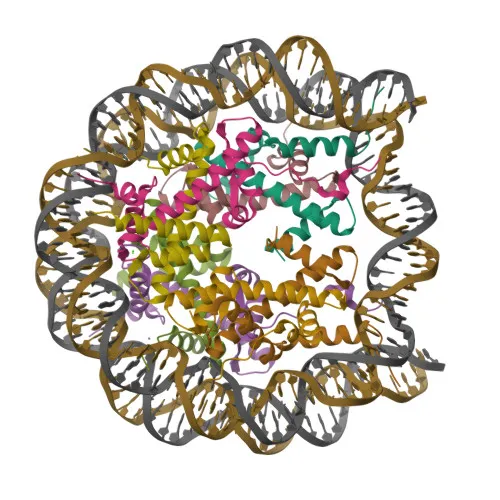
Histone H4 is a core component of the nucleosome, around which approximately 147 base pairs of genomic DNA are wrapped. As part of the histone octamer, it plays essential roles in the regulation of transcription, DNA replication, repair, and chromosomal stability. The dynamic post-translational modification of histones, collectively termed the "histone code," governs chromatin structure and gene expression. Related references: UniProt P62805
Histone H4 is predominantly nuclear and associates with chromosomes throughout the cell cycle. Acetylated H4 has been specifically observed in the nucleus of step 11 spermatids, indicating a role in chromatin compaction during spermatogenesis. Related references: UniProt P62805
The N-terminal tail of histone H4 is subject to extensive post-translational modifications, including acetylation, methylation, phosphorylation, citrullination, and various acylation events. Arginine 3 (R3; corresponding to R4 in the processed protein after removal of the initiator methionine) is a key residue that can be monomethylated, asymmetrically dimethylated (by PRMT1), symmetrically dimethylated (by PRMT5/PRMT7), or converted to citrulline. The present antibody specifically recognizes the monomethylated form of histone H4 at arginine 3. Related references: PMID:11387442, PMID:11448779, PMID:15345777, PMID:16567635
Experimental Guidance and Technical Tips
- Immunogen design: The antibody was generated against a synthetic monomethylated peptide corresponding to arginine 3 of human histone H4 (NP_003529.1). When assessing specificity, consider peptide competition assays or dot blots with differentially modified peptides to confirm selective recognition of monomethylation over unmodified or dimethylated arginine 3.
- Western blotting (WB): Histone H4 has a predicted molecular weight of ~11 kDa; high-percentage SDS-PAGE gels (15% or gradient) are recommended for optimal resolution. Nuclear extracts or acid-extracted histones typically yield stronger signals. Due to the small size, verify transfer efficiency and use appropriate membranes (e.g., PVDF 0.2 µm).
- Immunohistochemistry (IHC-P) and immunocytochemistry/immunofluorescence (IF/ICC): A predominant nuclear staining pattern is expected. Antigen retrieval (e.g., citrate buffer, pH 6.0) for paraffin-embedded sections and detergent permeabilization for cells should be optimized. The antibody’s cross-reactivity to mouse and rat tissues makes it suitable for studying histone modifications in diverse model systems.
- ELISA: The monomethylated peptide can be used as a coating antigen for direct or competitive ELISA to quantify the antibody’s binding affinity and specificity. Dilution factors should be titrated based on the assay format.
- Species cross-reactivity: The antibody is reported to recognize human, mouse, and rat histone H4, with a wide range of other species predicted due to the extreme sequence conservation of histone H4. For non-tested species, verify the peptide sequence homology at the immunogen region.
- Polyclonal antibody considerations: As a rabbit polyclonal antibody, lot-to-lot variability in titer and background may occur. Include appropriate positive and negative controls and re-validate each new lot under your experimental conditions.
CamelBio: Your One-Stop Sourcing Bridge
CamelBio serves as a comprehensive, one-stop sourcing bridge for IVD raw materials, connecting diagnostic manufacturers and research laboratories with high-quality, thoroughly characterized reagents. We offer the MonoMethyl-Histone H4-R3 Rabbit pAb alongside a broad portfolio of validated antibody pairs, optimized monoclonal/polyclonal antibodies, bulk ancillary reagents, and custom sourcing for rare epigenetic targets. Whether you are developing biomarker assays or scaling up production, CamelBio’s integrated supply chain and expert consulting support every stage from concept to clinic.
REQUEST A QUOTE
Our professional team will reply to you within one business day. Please feel free to contact us!