Methylated Antibodies
MonoMethyl-Histone H4-K20 Rabbit pAb (P62805) – Epigenetic Research Antibody for WB, IHC, IF/ICC, ELISA
Item Number : CM0000356
Price varies based on specs and customizations
- Application
- WB, DB, IHC-P, IF/ICC, ELISA
- Cross Reactivity
- Human, Mouse, Rat, Other (Wide Range Predicted)
- Protein Weight
- 11kDa

Shipping:
Contact us to get shipping details Enjoy On-time Dispatch Guarantee.
Why Choose Us
Easy ordering process, quality products, and dedicated support for your business success.
Core Product Specifications and Parameters
| Parameter | Value |
|---|---|
| Product Name | MonoMethyl-Histone H4-K20 Rabbit pAb |
| Remarks/Alias | H4; H4/n; H4C1; H4C2; H4C3; H4C4; H4C5; H4C6; H4C8; H4C9; H4F2; H4FN; FO108; H4-16; H4C11; H4C12; H4C13; H4C15; H4C16; HIST2H4; HIST2H4A; MonoMethyl-Histone H4-K20 |
| Species | Human |
| GeneID (human) | H4 |
| GeneID | 8359 |
| Immunogen | A synthetic monomethylated peptide around K20 of human Histone H4 (NP_003529.1) |
| Source | Rabbit |
| Category | Methylated Antibodies |
| Application | WB, DB, IHC-P, IF/ICC, ELISA |
| Cross Reactivity | Human, Mouse, Rat, Other (Wide Range Predicted) |
| SWISS | P62805 |
| Protein Weight | 11kDa |
| Shipping | Ice bag |
Biological Background: Histone H4 Function and Localization
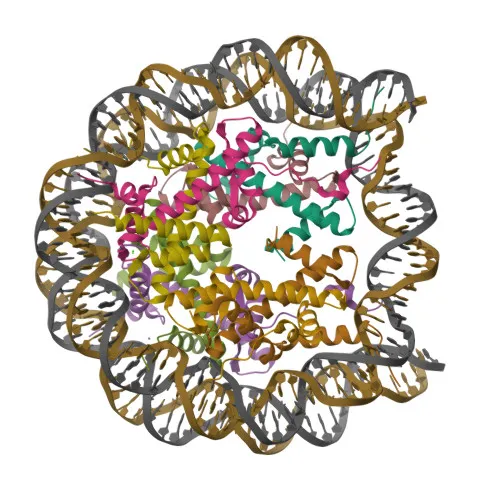
Histone H4 is a core component of the nucleosome, the basic unit of chromatin. Together with histones H2A, H2B, and H3, it forms an octamer around which DNA is wrapped, compacting the genome within the nucleus. This structural role is fundamental to all DNA-templated processes, including transcription, replication, repair, and chromosome segregation.
Histone H4 localizes primarily to the nucleus and is associated with chromosomes throughout the cell cycle. During spermatogenesis, specific acetylation patterns can influence its nuclear localization.
The function and interactions of histone H4 are dynamically regulated by a vast array of post-translational modifications (PTMs), often referred to as the "histone code." These include acetylation, methylation, phosphorylation, citrullination, ubiquitination, and various acylations at multiple residues. Such marks alter chromatin structure and recruit effector proteins to modulate gene expression, DNA damage response, and chromatin remodeling.
Among these, methylation of lysine 20 (H4K20) is a critical epigenetic mark. Monomethylation of H4K20 (H4K20me1) is involved in transcriptional activation, cell cycle progression, and the DNA damage response. The balance between mono-, di-, and trimethylation states at this site is tightly controlled by specific methyltransferases and demethylases.
This antibody was raised against a synthetic peptide corresponding to the region surrounding K20 of human histone H4, carrying a monomethyl modification. It is designed to specifically recognize only the monomethylated form of H4K20, making it a valuable tool for dissecting the distinct biological outcomes of different H4K20 methylation states.
Related references: UniProt P62805
Experimental Guidance and Technical Tips
- Since histone H4 is highly conserved across eukaryotes, this antibody is predicted to react with many species. However, cross-reactivity should be verified empirically for non-human/mouse/rat systems.
- For western blotting, enrich histone proteins or use acid extraction methods to improve detection of H4K20me1, as histones can be masked by abundant non-histone proteins in whole cell lysates.
- In dot blot (DB) applications, include both unmodified and monomethylated peptide controls to confirm modification specificity.
- For immunohistochemistry (IHC), antigen retrieval steps may be required due to the tight association of histones with DNA in formalin-fixed tissues.
- When using immunofluorescence (IF/ICC), co-stain with a nuclear marker to confirm expected nuclear localization.
- ELISA protocols should use immobilized peptides or histone extracts. Ensure the coating antigen presents the monomethylated K20 epitope for optimal detection.
- This antibody is specific to monomethyl-K20 and does not detect di- or trimethylated K20 or unmodified H4 based on the immunogen design. Still, validate specificity in your sample system using appropriate negative controls (e.g., cell lines with altered H4K20 methylation status).
CamelBio: Your One-Stop Sourcing Bridge
CamelBio serves as a comprehensive source for IVD raw materials, offering diagnostic manufacturers, laboratories, and research institutes streamlined access to high-quality reagents and custom technical services. For researchers studying epigenetic modifications and chromatin biology, we supply a range of histone antibodies, including validated anti-methylation-specific antibodies like this monomethyl-histone H4-K20 product. Beyond standalone antibodies, CamelBio can assist in assembling matched antibody pairs, bulk production of optimized reagents, and sourcing rare or hard-to-find raw materials, ensuring your project progresses efficiently from concept to clinic.
REQUEST A QUOTE
Our professional team will reply to you within one business day. Please feel free to contact us!