Polyclonal Antibodies
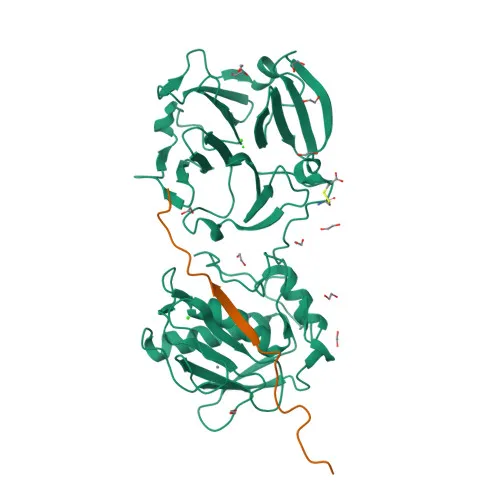
MMP13 Rabbit Polyclonal Antibody for WB, IF/ICC, ELISA - P45452
Item Number : CM0013566
Price varies based on specs and customizations
- Application
- WB, IF/ICC, ELISA
- Cross Reactivity
- Human, Mouse, Rat
- Protein Weight
- 54kDa

Shipping:
Contact us to get shipping details Enjoy On-time Dispatch Guarantee.
Why Choose Us
Easy ordering process, quality products, and dedicated support for your business success.
Core Product Specifications and Parameters
| Parameter | Value |
|---|---|
| Product Name | MMP13 Rabbit pAb |
| Remarks/Alias | CLG3; MDST; MANDP1; MMP-13; 13 |
| Species | Human |
| GeneID (human) | 4322 |
| GeneID | 4322 |
| Immunogen | Recombinant fusion protein containing a sequence corresponding to amino acids 262-471 of human MMP13 (NP_002418.1). |
| Source | Rabbit |
| Category | Polyclonal Antibodies |
| Application | WB, IF/ICC, ELISA |
| Cross Reactivity | Human, Mouse, Rat |
| SWISS | P45452 |
| Protein Weight | 54kDa |
| Shipping | Ice bag |
Biological Background: MMP13 Function and Localization
- MMP13, also known as collagenase 3, is a secreted matrix metalloproteinase that plays a central role in extracellular matrix (ECM) degradation and remodeling.
- It cleaves triple helical collagens, including type I, II, and III, with the highest activity toward soluble type II collagen, and also degrades other ECM components such as fibronectin, tenascin-C (TNC), and aggrecan (ACAN).
- MMP13 contributes to physiological processes including wound healing, tissue remodeling, cartilage degradation, bone development, mineralization, and ossification; it is essential for normal embryonic bone development and fracture healing via endochondral ossification.
- The protein is detected in fetal cartilage, hypertrophic chondrocytes, osteoblasts, and periosteal cells; expression is induced in chondrocytes by pro-inflammatory cytokines TNF and IL1B, and it is also found in T lymphocytes and breast carcinoma tissue.
- Subcellular localization is primarily secreted into the extracellular space and extracellular matrix.
- Key post-translational features and domains include calcium-binding, disulfide bonds, glycosylation, and phosphorylation; it is synthesized as a zymogen requiring activation for protease activity.
Experimental Guidance and Technical Tips
- The immunogen, corresponding to amino acids 262-471 of human MMP13, spans a region likely encompassing the catalytic domain; when using this polyclonal antibody in WB, IF/ICC, or ELISA, consider the epitope location for interpretation of results.
- For Western blot, the predicted molecular weight is 54 kDa, but post-translational modifications (e.g., glycosylation) and activation processing may cause band shifts; validate in appropriate positive control lysates (e.g., IL1B/TNF-treated chondrocytes or breast carcinoma lines).
- In immunofluorescence/immunocytochemistry (IF/ICC), MMP13 is secreted; including permeabilization steps may detect intracellular pro-forms, and co-staining with extracellular matrix markers can improve localization.
- While cross-reactivity is indicated for human, mouse, and rat, polyclonal antibodies may exhibit species-specific differences; verify performance in each species of interest.
CamelBio: Your One-Stop Sourcing Bridge
CamelBio partners with diagnostic manufacturers and research laboratories to provide a streamlined, one-stop sourcing solution for IVD raw materials. Our portfolio includes validated antibody pairs, optimized monoclonal and polyclonal antibodies, bulk ancillary reagents, and specialized sourcing for rare targets—supporting your work in extracellular matrix biology, skeletal development, and related disease research. Whether you need this MMP13 rabbit polyclonal antibody or other critical raw materials, CamelBio bridges the gap from concept to clinic.
REQUEST A QUOTE
Our professional team will reply to you within one business day. Please feel free to contact us!