Polyclonal Antibodies
LRP1 Rabbit Polyclonal Antibody for WB, ELISA - Q07954
Item Number : CM0013533
Price varies based on specs and customizations
- Application
- WB, ELISA
- Cross Reactivity
- Human, Mouse
- Protein Weight
- 505 kDa

Shipping:
Contact us to get shipping details Enjoy On-time Dispatch Guarantee.
Why Choose Us
Easy ordering process, quality products, and dedicated support for your business success.
Core Product Specifications and Parameters
| Parameter | Details |
|---|---|
| Product Name | LRP1 Rabbit pAb |
| Remarks/Alias | APR; KPA; LRP; A2MR; CD91; APOER; LRP1A; TGFBR5; IGFBP3R; IGFBP-3R; IGFBP3R1; LRP1 |
| Species | Human |
| Gene ID (Human) | 4035 |
| Immunogen | Recombinant fusion protein containing a sequence corresponding to amino acids 20-168 of LRP1 (NP_002323.2) |
| Source | Rabbit |
| Category | Polyclonal Antibodies |
| Application | WB, ELISA |
| Cross Reactivity | Human, Mouse |
| SWISS | Q07954 |
| Protein Weight | 505 kDa |
| Shipping | Ice bag |
Biological Background: LRP1 Function and Localization
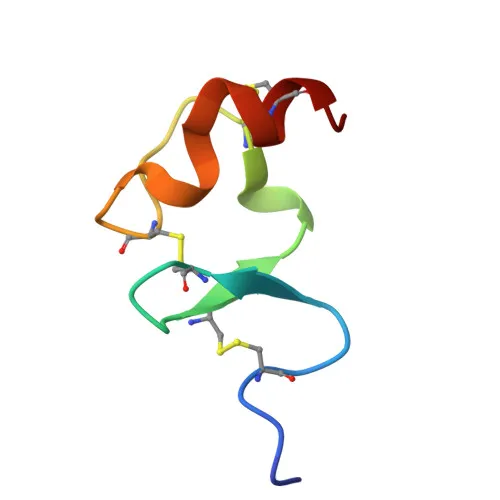
- LRP1 (Prolow-density lipoprotein receptor-related protein 1), also known as alpha-2-macroglobulin receptor (A2MR) or apolipoprotein E receptor (APOER), is a large transmembrane receptor with multiple EGF-like domains.
- It functions as an endocytic receptor involved in endocytosis and phagocytosis of apoptotic cells, essential for early embryonic development. Related references: PMID:11907044 PMID:12713657
- LRP1 plays a critical role in lipid homeostasis by clearing chylomicron remnants and activated alpha-2-macroglobulin from the plasma. Related references: PMID:1702392 PMID:26142438
- Acts as a receptor for TAU/MAPT, controlling its endocytosis and intercellular spread, and modulates APP metabolism and neuronal calcium signaling, implicating it in Alzheimer's disease pathology. Related references: PMID:32296178 PMID:12888553
- Functions as a receptor for IGFBP3 to mediate cell growth inhibition. Related references: PMID:9252371
- Subcellular localization includes the cell membrane, coated pits, cytoplasm, nucleus, and Golgi outposts.
- LRP1 is most abundantly expressed in liver, brain, and lung.
- Post-translational modifications such as acetylation, phosphorylation, disulfide bonds, and glycosylation regulate its function. Additionally, LRP1 acts as a receptor for microbial toxins (Pseudomonas aeruginosa exotoxin A, yellow fever virus).
Experimental Guidance and Technical Tips
- The immunogen corresponds to the N-terminal region (aa 20-168) of human LRP1, which shares significant identity with mouse LRP1, supporting cross-reactivity.
- For western blotting, consider that native LRP1 has a high molecular weight (~505 kDa) and contains multiple disulfide bonds; use a low percentage gel and include reducing agents as appropriate.
- Validate the antibody with positive control lysates from liver, brain, or lung tissues, where LRP1 expression is highest.
- When performing ELISA, use recombinant LRP1 protein or cell lines expressing LRP1 as coating antigen, and titrate the antibody for optimal sensitivity.
- As a polyclonal antibody, lot-to-lot variability may occur; run appropriate positive and negative controls in every experiment.
CamelBio: Your One-Stop Sourcing Bridge
CamelBio provides a one-stop sourcing platform for IVD raw materials, offering validated antibodies, bulk ancillary reagents, and custom services for research areas including lipid metabolism, cardiovascular diseases, and neurology. Our extensive supply network ensures rapid access to rare target reagents and optimized antibody pairs, supporting your assay development from concept to clinic. Contact our team to streamline your LRP1-related research and diagnostic development with reliable raw-material solutions.
REQUEST A QUOTE
Our professional team will reply to you within one business day. Please feel free to contact us!