Polyclonal Antibodies
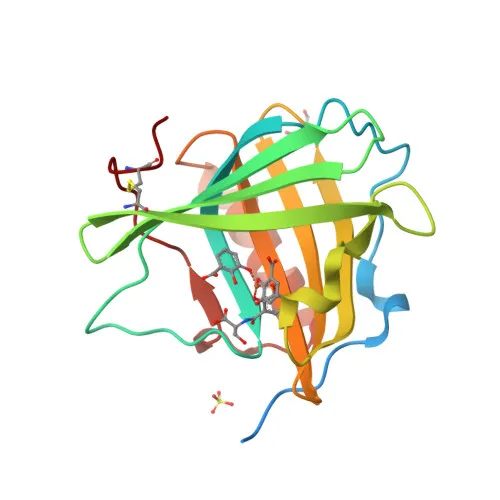
Lipocalin-2/NGAL Rabbit pAb - P80188
Item Number : CM0023747
Price varies based on specs and customizations
- Application
- WB, IF-P, IHC-P, ELISA
- Cross Reactivity
- Human, Mouse
- Protein Weight
- 23 kDa

Shipping:
Contact us to get shipping details Enjoy On-time Dispatch Guarantee.
Why Choose Us
Easy ordering process, quality products, and dedicated support for your business success.
Core Product Specifications and Parameters
| Parameter | Value |
|---|---|
| Product Name | Lipocalin-2/NGAL Rabbit pAb |
| Remarks/Alias | p25, 24p3, MSFI, NGAL, Lipocalin-2/NGAL |
| Species | Human |
| Gene ID | 3934 |
| Immunogen | Recombinant fusion protein containing a sequence corresponding to amino acids 21-198 of human Lipocalin-2/NGAL (NP_005555.2) |
| Source | Rabbit |
| Category | Polyclonal Antibodies |
| Application | WB, IF-P, IHC-P, ELISA |
| Cross Reactivity | Human, Mouse |
| SWISS | P80188 |
| Protein Weight | 23 kDa |
| Shipping | Ice bag |
Biological Background: Lipocalin-2/NGAL Function and Localization
- Neutrophil gelatinase-associated lipocalin (NGAL), also known as Lipocalin-2, 24p3, or siderocalin, is a secreted glycoprotein belonging to the lipocalin superfamily.
- Functions as an iron-trafficking protein: binds iron through association with bacterial siderophores (e.g., enterobactin) or 2,3-dihydroxybenzoic acid; holo- form increases intracellular iron, while apo- form decreases it, triggering apoptosis via SLC22A17 receptor (PubMed:12453413, PubMed:20581821, PubMed:27780864). Related references: PMID:12453413 , PMID:20581821 , PMID:27780864
- Plays a critical role in innate immunity by sequestering iron-bound microbial siderophores, thereby limiting bacterial and mycobacterial proliferation (PubMed:27780864, PubMed:15642259, PubMed:21978368). Related references: PMID:27780864 , PMID:15642259 , PMID:21978368
- Subcellular locations include secreted, cytoplasmic granule lumen, and cytoplasmic vesicle lumen, consistent with extracellular and intracellular iron handling.
- Highly expressed in bone marrow, uterus, prostate, salivary gland, stomach, appendix, colon, trachea, lung, and kidney medullary tubules; detected at protein level in neutrophils (PubMed:7683678, PubMed:8298140, PubMed:9339356).
- Contains disulfide bonds and is glycosylated; alternative splicing produces multiple isoforms.
- Not found in small intestine or peripheral blood leukocytes (PubMed:9339356).
Experimental Guidance and Technical Tips
- The immunogen spans amino acids 21–198, which excludes the signal peptide, enhancing recognition of the mature secreted form.
- For Western blot, a band around 23–25 kDa is expected; glycosylation may cause slight mobility shifts. Validate in the relevant sample system.
- For IHC-P, consider antigen retrieval methods as the protein is secreted and may require optimization in paraffin-embedded tissues.
- The antibody cross-reacts with mouse; confirm specificity in mouse models if needed.
- For ELISA, use as a capture or detection antibody, but pairing with a monoclonal antibody may be necessary for sandwich assay development.
CamelBio: Your One-Stop Sourcing Bridge
CamelBio provides diagnostic manufacturers and research labs with streamlined access to high-quality raw materials for targets like Lipocalin-2/NGAL—a key biomarker in renal injury, inflammation, and iron metabolism. As your one-stop sourcing partner, we offer validated antibody pairs, optimized monoclonal and polyclonal antibodies, and bulk ancillary reagents to accelerate your assay development from concept to clinic. From rare target sourcing to technical consultation, CamelBio supports every stage of your IVD workflow.
REQUEST A QUOTE
Our professional team will reply to you within one business day. Please feel free to contact us!