Polyclonal Antibodies
KO Validated Anti-PHD2/EGLN1 Rabbit Polyclonal Antibody for WB, IHC-P, IF/ICC, ELISA - Q9GZT9
Item Number : CM0018123
Price varies based on specs and customizations
- Application
- WB, IHC-P, IF/ICC, ELISA
- Cross Reactivity
- Human, Mouse, Rat
- Protein Weight
- 46kDa

Shipping:
Contact us to get shipping details Enjoy On-time Dispatch Guarantee.
Why Choose Us
Easy ordering process, quality products, and dedicated support for your business success.
Core Product Specifications and Parameters
| Parameter | Value |
|---|---|
| Product Name | [KO Validated] PHD2/EGLN1 Rabbit pAb |
| Remarks/Alias | HPH2; PHD2; SM20; ECYT3; HALAH; HPH-2; HIFPH2; ZMYND6; C1orf12; HIF-PH2; N1 |
| Species | Human |
| GeneID (human) | 54583 |
| GeneID | 54583 |
| Immunogen | Synthetic peptide |
| Source | Rabbit |
| Category | Polyclonal Antibodies |
| Application | WB, IHC-P, IF/ICC, ELISA |
| Cross Reactivity | Human, Mouse, Rat |
| SWISS | Q9GZT9 |
| Protein Weight | 46kDa |
| Shipping | Ice bag |
Biological Background: PHD2/EGLN1 Function and Localization
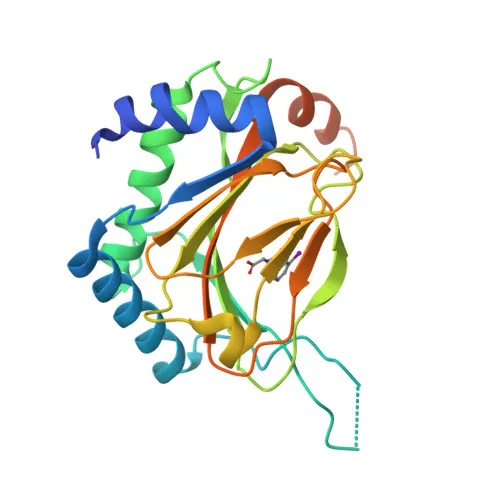
- Egl nine homolog 1 (EGLN1), commonly known as PHD2, is a hypoxia-inducible factor (HIF) prolyl hydroxylase and the primary oxygen sensor under normoxic conditions.
- PHD2 catalyzes the hydroxylation of specific proline residues within the oxygen-dependent degradation domains of HIF1A and HIF2A, leading to VHL-mediated ubiquitination and proteasomal degradation.
- Under hypoxia, PHD2 activity is reduced, allowing HIFα stabilization, nuclear translocation, and transcriptional activation of genes involved in angiogenesis, erythropoiesis, and metabolic adaptation.
- The enzyme belongs to the EGLN family of dioxygenases and contains a zinc-finger motif; it requires iron, 2-oxoglutarate, and ascorbate as cofactors for its catalytic function.
- Multiple isoforms are produced by alternative splicing, and post-translational modifications such as acetylation, phosphorylation, and S-nitrosylation have been reported.
- Subcellularly, PHD2 localizes predominantly to the cytoplasm but can also be detected in the nucleus.
- PHD2 is widely expressed, with highest levels in skeletal muscle, heart, brain, and kidney; it is also found in cardiac myocytes, aortic endothelial cells, and coronary artery smooth muscle.
Experimental Guidance and Technical Tips
- The immunogen is a synthetic peptide corresponding to the N-terminal region (aa 1-100) of human PHD2; consider using a blocking peptide for specificity controls.
- For Western blotting, a starting dilution range of 1:500–1:2000 is typical; validate the optimal dilution in your sample system and note an expected band at ~46 kDa.
- For IHC-P, antigen retrieval may be required; test citrate or EDTA-based protocols and include appropriate positive controls (e.g., heart or skeletal muscle tissue).
- For IF/ICC, fixation and permeabilization conditions should be optimized; PHD2 is detected in the cytoplasm and nucleus.
- The antibody has been validated in KO samples; always include knockout or knockdown controls when investigating target specificity.
CamelBio: Your One-Stop Sourcing Bridge
CamelBio provides a streamlined sourcing experience for IVD raw materials, offering validated antibody pairs, optimized monoclonal and polyclonal antibodies, bulk ancillary reagents, and rare target sourcing. This PHD2/EGLN1 antibody supports research into hypoxia signaling and related disease areas, and our team can assist with procurement of complementary reagents to accelerate your assay development and diagnostic manufacturing.
Product Datasheet
KO Validated Anti-PHD2/EGLN1 Rabbit Polyclonal Antibody for WB, IHC-P, IF/ICC, ELISA - Q9GZT9
REQUEST A QUOTE
Our professional team will reply to you within one business day. Please feel free to contact us!