Polyclonal Antibodies
KO Validated Anti-HMGB1 Rabbit Polyclonal Antibody for WB, IHC-P, ELISA - P09429
Item Number : CM0029892
Price varies based on specs and customizations
- Application
- WB, IHC-P, ELISA
- Cross Reactivity
- Human, Mouse, Rat
- Protein Weight
- 25 kDa

Shipping:
Contact us to get shipping details Enjoy On-time Dispatch Guarantee.
Why Choose Us
Easy ordering process, quality products, and dedicated support for your business success.
Core Product Specifications and Parameters
| Parameter | Value |
|---|---|
| Product Name | [KO Validated] HMGB1 Rabbit pAb |
| Remarks/Alias | HMG1; HMG3; HMG-1; SBP-1; HMGB1 |
| Species | Human |
| GeneID (Human) | 3146 |
| GeneID | 3146 |
| Immunogen | Recombinant fusion protein containing a sequence corresponding to amino acids 69-168 of human HMGB1 (NP_002119.1) |
| Source | Rabbit |
| Category | Polyclonal Antibodies |
| Application | WB, IHC-P, ELISA |
| Cross Reactivity | Human, Mouse, Rat |
| SWISS | P09429 |
| Protein Weight | 25 kDa |
| Shipping | Ice bag |
Biological Background: HMGB1 Function and Localization
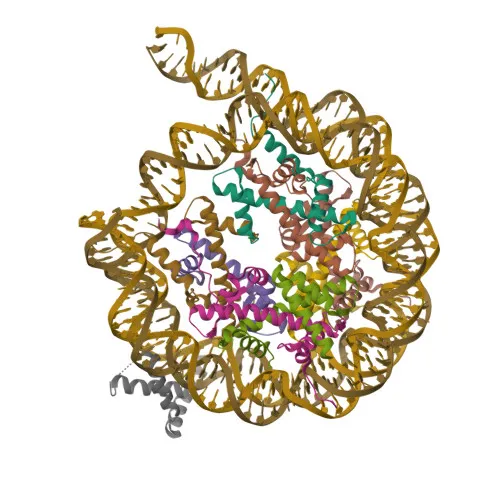
- HMGB1 (High mobility group protein B1), encoded by the HMGB1 gene, is a ubiquitous non-histone chromatin-associated protein that is also actively secreted or passively released to act as a danger-associated molecular pattern (DAMP) and cytokine/chemokine.
- In the nucleus, HMGB1 binds preferentially to non-canonical DNA structures (single-stranded, cruciform, supercoiled, and Z-DNA) and bends DNA to facilitate chromatin remodeling and enhance transcription factor access (PubMed:20123072). It participates in multiple DNA repair pathways, including nucleotide excision repair, mismatch repair, and base excision repair (PubMed:15014079, PubMed:16143102, PubMed:17803946, PubMed:19360789, PubMed:19446504). Related references: PMID:20123072 PMID:15014079 PMID:16143102 PMID:17803946 PMID:19360789 PMID:19446504
- In the cytoplasm, HMGB1 promotes autophagy by competitively disrupting the BECN1:BCL2 interaction (PubMed:20819940) and is involved in oxidative stress-induced autophagy (PubMed:21395369). Related references: PMID:20819940 PMID:21395369
- Extracellularly, the redox state of HMGB1 dictates its function: fully reduced HMGB1 acts as a chemokine, the disulfide form as a proinflammatory cytokine, and the sulfonyl form promotes immunological tolerance (PubMed:23446148, PubMed:23519706, PubMed:23994764). It engages multiple surface receptors, including AGER/RAGE, TLR2, and TLR4, to induce cytokine release and immune cell recruitment (PubMed:12765338, PubMed:18354232, PubMed:19264983, PubMed:15607795, PubMed:20547845). Related references: PMID:23446148 PMID:23519706 PMID:23994764 PMID:12765338 PMID:18354232 PMID:19264983 PMID:15607795 PMID:20547845
- HMGB1 facilitates entry of SARS-CoV and SARS-CoV-2 by regulating the expression of the viral receptors ACE2 and CTSL through chromatin modulation (PubMed:33147444) and is required for SARS-CoV-2 ORF3A-induced reticulophagy (PubMed:35239449). Related references: PMID:33147444 PMID:35239449
- Post-translational modifications, including acetylation, phosphorylation, ADP-ribosylation, and oxidation, dynamically regulate the subcellular localization, DNA-binding affinity, and immunomodulatory activities of HMGB1.
- HMGB1 is ubiquitously expressed and has been detected in platelets (PubMed:11154118). Related references: PMID:11154118
Experimental Guidance and Technical Tips
- The immunogen spans amino acids 69-168, covering the conserved HMG box B and part of the acidic C-tail. This region is highly conserved among human, mouse, and rat, supporting the antibody’s cross-reactivity.
- For Western blot, a band around 25 kDa is expected; note that post-translational modifications may cause slight shifts. A knockout validation has been performed; consider including appropriate positive and negative controls.
- For IHC-P, antigen retrieval may be necessary. Optimize staining conditions using known positive tissue controls (e.g., tissues with high HMGB1 expression such as lymphoid organs or tumors).
- In ELISA, the antibody can be used for capture or detection; however, pairing with a matched detection antibody should be validated for the specific assay format.
- Because HMGB1 is a DAMP that can be released from damaged cells, avoid excessive cell lysis or tissue damage during sample preparation to minimize background.
CamelBio: Your One-Stop Sourcing Bridge
CamelBio supports diagnostic manufacturers and research laboratories with end-to-end IVD raw material sourcing. For HMGB1‑related inflammation, cancer, and infectious disease research, we supply validated antibody pairs, optimized monoclonal and polyclonal antibodies, and bulk ancillary reagents, empowering your assay development from concept to clinic.
Product Datasheet
KO Validated Anti-HMGB1 Rabbit Polyclonal Antibody for WB, IHC-P, ELISA - P09429
REQUEST A QUOTE
Our professional team will reply to you within one business day. Please feel free to contact us!