Polyclonal Antibodies
KO Validated Anti-Glutathione Synthetase (GSS) Rabbit Polyclonal Antibody for WB, IF/ICC, ELISA - P48637
Item Number : CM0018508
Price varies based on specs and customizations
- Application
- WB, IF/ICC, ELISA
- Cross Reactivity
- Human, Mouse, Rat
- Protein Weight
- 52kDa

Shipping:
Contact us to get shipping details Enjoy On-time Dispatch Guarantee.
Why Choose Us
Easy ordering process, quality products, and dedicated support for your business success.
Core Product Specifications and Parameters
| Parameter | Value |
|---|---|
| Product Name | [KO Validated] Glutathione Synthetase (GSS) Rabbit pAb |
| Remarks/Alias | GSHS; HEL-S-64p; HEL-S-88n; S) |
| Species | Human |
| GeneID (Human) | 2937 |
| GeneID | 2937 |
| Immunogen | Recombinant fusion protein containing a sequence corresponding to amino acids 373-474 of human Glutathione Synthetase (GSS) (NP_000169.1). |
| Source | Rabbit |
| Category | Polyclonal Antibodies |
| Application | WB, IF/ICC, ELISA |
| Cross Reactivity | Human, Mouse, Rat |
| SWISS | P48637 |
| Protein Weight | 52kDa |
| Shipping | Ice bag |
Biological Background: Glutathione Synthetase (GSS) Function and Localization
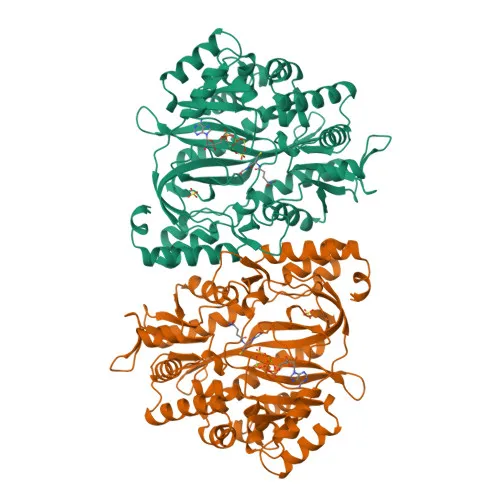
- Glutathione synthetase (GSS), also referred to as glutathione synthase, is encoded by the GSS gene and catalyzes the final step in the biosynthesis of the tripeptide glutathione (GSH).
- GSS catalyzes the ATP-dependent ligation of gamma-glutamylcysteine with glycine to form glutathione, a reaction critical for maintaining cellular redox homeostasis. Related references: PMID:7646467, PMID:9215686
- Glutathione is the most abundant intracellular non-protein thiol and serves essential functions including antioxidant defense, detoxification of xenobiotics, maintenance of protein sulfhydryl groups in a reduced state, and acting as an enzymatic cofactor. Related references: PMID:10369661
- In liver cells, GSS participates in the synthesis of ophthalmate, a GSH analog used as a biomarker for oxidative stress.
- The enzyme contains nucleotide-binding and metal-binding motifs, and its activity is modulated by post-translational modifications such as acetylation and phosphorylation.
- Genetic defects in GSS lead to glutathione synthetase deficiency, which can result in hemolytic anemia and metabolic acidosis.
Experimental Guidance and Technical Tips
- The immunogen corresponds to amino acids 373–474 of human GSS, targeting the C-terminal region; consider this when designing complementary reagents.
- For Western blot, expect a specific band at ~52 kDa; include appropriate positive and negative controls, and validate in your sample system of interest.
- In immunofluorescence/ICC, optimize fixation and permeabilization conditions for your cell type; a nuclear and cytoplasmic distribution may be observed.
- This antibody cross-reacts with human, mouse, and rat GSS; verify reactivity if using other species, and validate with siRNA/KO controls where possible.
- For ELISA, pair with a validated detection antibody and recombinant GSS standard to ensure assay sensitivity and specificity.
- The KO validation status confirms specificity for the target; however, always include knockout or knockdown controls in critical experiments.
CamelBio: Your One-Stop Sourcing Bridge
CamelBio supports diagnostic manufacturers and research laboratories with a comprehensive portfolio of IVD raw materials, including this rigorously validated anti-GSS polyclonal antibody. For glutathione metabolism and oxidative stress research, we offer one-stop access to antibody pairs, recombinant proteins, and bulk ancillary reagents to streamline your assay development. From concept to clinic, CamelBio bridges your sourcing needs with reliable, high-quality raw materials.
Product Datasheet
KO Validated Anti-Glutathione Synthetase (GSS) Rabbit Polyclonal Antibody for WB, IF/ICC, ELISA - P48637
REQUEST A QUOTE
Our professional team will reply to you within one business day. Please feel free to contact us!