Monoclonal Antibodies
KO Validated Anti-cIAP1 Rabbit Monoclonal Antibody for WB, IHC-P, ELISA - Q13490
Item Number : CM0003452
Price varies based on specs and customizations
- Application
- WB, IHC-P, ELISA
- Cross Reactivity
- Human, Rat
- Protein Weight
- 70kDa

Shipping:
Contact us to get shipping details Enjoy On-time Dispatch Guarantee.
Why Choose Us
Easy ordering process, quality products, and dedicated support for your business success.
Core Product Specifications and Parameters
| Parameter | Value |
|---|---|
| Product Name | [KO Validated] cIAP1 Rabbit mAb |
| Remarks/Alias | API1; MIHB; HIAP2; RNF48; cIAP1; Hiap-2; c-IAP1; P1 |
| Species | Human |
| GeneID (Human) | 329 |
| GeneID | 329 |
| Immunogen | Synthetic Peptide|A synthetic peptide corresponding to a sequence within amino acids 1-100 of human cIAP1 (Q13490). |
| Source | Rabbit |
| Category | Monoclonal Antibodies |
| Application | WB, IHC-P, ELISA |
| Cross Reactivity | Human, Rat |
| SWISS | Q13490 |
| Protein Weight | 70kDa |
| Shipping | Ice bag |
Biological Background: cIAP1 Function and Localization
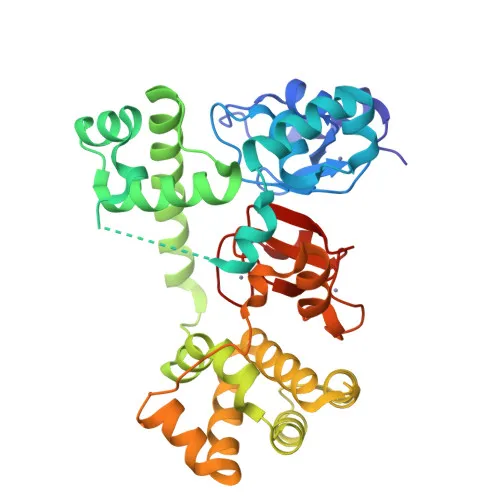
- Baculoviral IAP repeat-containing protein 2 (cIAP1, also known as BIRC2, API1, MIHB, HIAP2, and RNF48) is a multi-functional protein belonging to the inhibitor of apoptosis (IAP) family, characterized by the presence of baculoviral IAP repeat (BIR) domains and a C-terminal RING finger domain that confers E3 ubiquitin ligase activity.
- cIAP1 is a key regulator of apoptosis and inflammatory signaling, modulating both canonical and non-canonical NF-kappa-B pathways. It acts as an E3 ubiquitin ligase for various substrates including RIPK1, CASP3, CASP7, TRAF2, NIK, and IKBKG, thereby controlling cell survival and immune responses.
- Beyond apoptosis, cIAP1 participates in mitogenic kinase signaling, cell proliferation, invasion, and metastasis. It can stimulate the transcriptional activity of E2F1 and plays a role in cell cycle progression.
- The protein is also involved in innate immunity via regulation of pattern recognition receptors (PRRs) such as Toll-like receptors (TLRs), Nod-like receptors (NLRs), and RIG-I-like receptors (RLRs), linking it to pathogen sensing and inflammatory cytokine production.
- cIAP1 suppresses the spontaneous formation of the ripoptosome, a large complex capable of inducing both caspase-dependent and -independent cell death, by ubiquitinating RIPK1 and CASP8.
- Subcellular localization includes both the cytoplasm and the nucleus, enabling cIAP1 to interact with diverse signaling complexes in different compartments.
- Expression is detected in many fetal and adult tissues, with highest levels in skeletal muscle, thymus, testis, ovary, and pancreas, and low or absent expression in brain and peripheral blood leukocytes.
Experimental Guidance and Technical Tips
- The immunogen is a synthetic peptide corresponding to amino acids 1–100 of human cIAP1 (UniProt Q13490). The antibody is predicted to detect a band at ~70 kDa in western blot.
- For WB, consider using whole cell lysates from HeLa or other human cell lines with confirmed endogenous expression as positive controls. Cross-reactivity with rat has been reported; verify performance in your specific rat sample system.
- For IHC-P, optimization of antigen retrieval and antibody dilution is recommended. Include appropriate positive tissue controls such as skeletal muscle or thymus.
- For ELISA, this monoclonal antibody can serve as a capture or detection reagent; pair with another clone to avoid epitope interference.
- Because cIAP1 is an E3 ligase involved in multiple pathways, consider using appropriate inhibitors (e.g., proteasome inhibitors) or stimulation conditions to stabilize expression when assessing function.
CamelBio: Your One-Stop Sourcing Bridge
CamelBio serves as a comprehensive one-stop partner for IVD raw materials, offering diagnostic manufacturers and research institutes streamlined access to validated antibody pairs, optimized monoclonal and polyclonal antibodies, bulk ancillary reagents, and rare-target raw material sourcing. Our portfolio supports critical targets such as cIAP1, enabling robust assay development for apoptosis, NF-kB signaling, and oncology research. By connecting you with reliable raw materials and technical support, CamelBio accelerates your development from concept to clinic.
Product Datasheet
KO Validated Anti-cIAP1 Rabbit Monoclonal Antibody for WB, IHC-P, ELISA - Q13490
REQUEST A QUOTE
Our professional team will reply to you within one business day. Please feel free to contact us!