Monoclonal Antibodies
KO Validated Anti-Alpha-synuclein Monoclonal Antibody for WB, IHC, IF, ELISA - P37840
Item Number : CM0011842
Price varies based on specs and customizations
- Application
- WB, IF/ICC, IF-P, IHC-P, ELISA
- Cross Reactivity
- Human, Mouse, Rat
- Protein Weight
- 14kDa

Shipping:
Contact us to get shipping details Enjoy On-time Dispatch Guarantee.
Why Choose Us
Easy ordering process, quality products, and dedicated support for your business success.
Core Product Specifications and Parameters
| Parameter | Value |
|---|---|
| Product Name | [KO Validated] Alpha-synuclein Mouse mAb |
| Remarks/Alias | PD1; NACP; PARK1; PARK4 |
| Species | Human |
| Gene ID | 6622 |
| Immunogen | Recombinant fusion protein corresponding to amino acids 1-140 of human Alpha-synuclein (NP_000336.1) |
| Source | Mouse |
| Category | Monoclonal Antibodies |
| Application | WB, IF/ICC, IF-P, IHC-P, ELISA |
| Cross Reactivity | Human, Mouse, Rat |
| SWISS | P37840 |
| Protein Weight | 14kDa |
| Shipping | Ice bag |
Biological Background: Alpha-synuclein Function and Localization
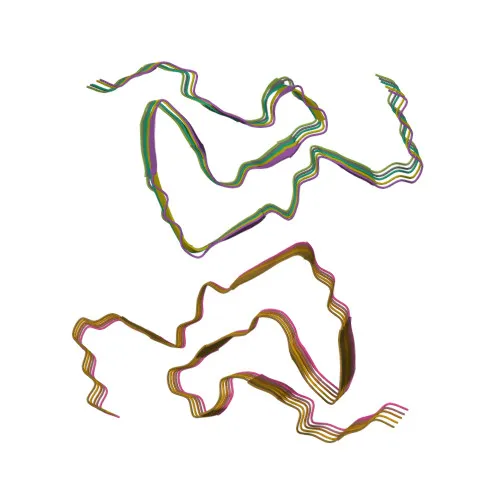
- Alpha-synuclein is a neuronal protein highly expressed in presynaptic terminals of the central nervous system, principally in brain.
- It regulates synaptic vesicle trafficking and neurotransmitter release by enhancing vesicle priming, fusion, and dilation of exocytotic fusion pores, and increases local Ca2+ release from microdomains to promote exocytosis. Related references: PMID:28288128 PMID:30404828
- As a molecular chaperone in its multimeric membrane-bound state, it assists in folding synaptic SNARE proteins and maintains SNARE-complex assembly during aging. Related references: PMID:20798282
- It modulates dopamine neurotransmission by associating with the dopamine transporter (DAT1). Related references: PMID:26442590
- Subcellular localization includes cytoplasm, membrane, nucleus, synapse, and it is also secreted; found in cell projections such as axons.
- It is implicated in neurodegenerative diseases such as Parkinson's and Alzheimer's, with keywords including amyloid, neurodegeneration, and Parkinson disease.
- Post-translational modifications include acetylation, phosphorylation, and ubiquitination.
Experimental Guidance and Technical Tips
- The immunogen spans the full-length human alpha-synuclein (aa 1-140), suggesting broad epitope coverage. Consider that it may detect multiple isoforms if the epitope is conserved.
- For Western blot (WB), an expected band at approximately 14 kDa is predicted; validate with appropriate positive controls such as brain tissue lysates from human, mouse, or rat.
- In immunohistochemistry (IHC) and immunofluorescence (IF), antigen retrieval may be necessary; test on brain sections where alpha-synuclein is highly expressed.
- The knockout (KO) validation indicates enhanced specificity; include proper controls in your experiments.
CamelBio: Your One-Stop Sourcing Bridge
CamelBio is your one-stop sourcing partner for IVD raw materials, offering comprehensive support from early-stage research to clinical application. For alpha-synuclein and Parkinson's disease research, we supply validated monoclonal antibodies, matched antibody pairs, bulk reagents, and custom sourcing to accelerate your diagnostic development.
REQUEST A QUOTE
Our professional team will reply to you within one business day. Please feel free to contact us!
Related Articles
When a Surface Becomes a Sensor: Choosing Between QCM, SAW, and Six Classes of Quality Detection
Explore six sensor families, how QCM and SAW convert molecular binding into frequency shifts, and why surface chemistry determines diagnostic reliability.
The Silent Well: How No Template Controls Protect Molecular Diagnostic Integrity
A practical guide to No Template Controls: how unexpected qPCR signals reveal contamination, reagent impurities, artifacts, and broken workflow controls.