Monoclonal Antibodies
KD Validated Anti-MCCC1 Rabbit Monoclonal Antibody for WB, IF/ICC, IP, ELISA - Q96RQ3
Item Number : CM0004749
Price varies based on specs and customizations
- Application
- WB, IF/ICC, IP, ELISA
- Cross Reactivity
- Human, Mouse, Rat
- Protein Weight
- 80kDa

Shipping:
Contact us to get shipping details Enjoy On-time Dispatch Guarantee.
Why Choose Us
Easy ordering process, quality products, and dedicated support for your business success.
Core Product Specifications and Parameters
| Parameter | Value |
|---|---|
| Product Name | [KD Validated] MCCC1 Rabbit mAb |
| Remarks/Alias | MCCA; MCC-B; MCCCalpha; [KD Validated] MCCC1 |
| Species | Human |
| GeneID (human) | 56922 |
| GeneID | 56922 |
| Immunogen | Recombinant protein |
| Source | Rabbit |
| Category | Monoclonal Antibodies |
| Application | WB, IF/ICC, IP, ELISA |
| Cross Reactivity | Human, Mouse, Rat |
| SWISS | Q96RQ3 |
| Protein Weight | 80kDa |
| Shipping | Ice bag |
Biological Background: MCCC1 Function and Localization
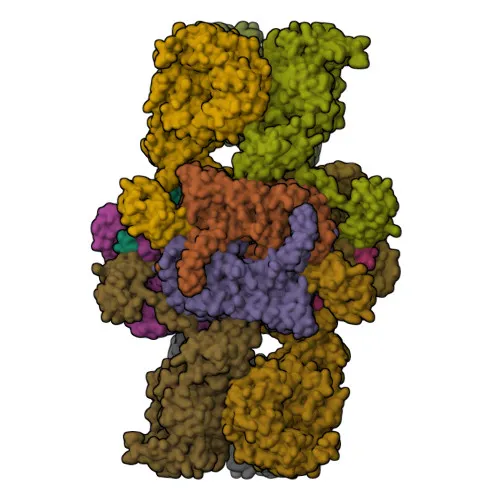
- MCCC1 encodes the biotin-attachment subunit of 3-methylcrotonyl-CoA carboxylase, catalyzing the conversion of 3-methylcrotonyl-CoA to 3-methylglutaconyl-CoA, a critical step in leucine and isovaleric acid catabolism.
- The protein localizes exclusively to the mitochondrial matrix, consistent with its role in branched-chain amino acid metabolism.
- As a biotin-dependent enzyme, MCCC1 requires ATP binding for its carboxylase activity.
- Post-translational modifications include biotinylation of the biotin-attachment domain and acetylation at specific lysine residues.
- Disease-associated variants in MCCC1 cause 3-methylcrotonylglycinuria, an autosomal recessive inborn error of leucine metabolism.
- The protein forms a heteromeric complex with the beta subunit (MCCC2) to constitute the functional carboxylase.
- An N-terminal transit peptide directs the nascent protein to the mitochondria, where it is proteolytically removed upon import.
Experimental Guidance and Technical Tips
- The immunogen spans amino acids 640–725, targeting the C‑terminal region of human MCCC1; consider that this sequence is highly conserved across human, mouse, and rat.
- For Western blot, a band at approximately 80 kDa is expected; validate in mitochondrial‑enriched fractions or whole‑cell lysates from relevant species.
- In immunofluorescence (IF/ICC), co‑localization with a mitochondrial marker (e.g., MitoTracker or anti‑TOMM20) is recommended to confirm specificity.
- Immunoprecipitation (IP) applications may require optimization of lysis buffer and antibody–antigen incubation conditions due to the multi‑subunit nature of the target complex.
- ELISA performance can be assessed using recombinant protein or peptide antigens; diligent titration and blocking steps are advised for optimal signal‑to‑noise ratio.
CamelBio: Your One‑Stop Sourcing Bridge
CamelBio offers a comprehensive portfolio of IVD raw materials, including the MCCC1 rabbit monoclonal antibody featured here, to support research in metabolic disorders and mitochondrial biology. Our validated antibody pairs, optimized monoclonal and polyclonal antibody formats, and bulk ancillary reagents streamline diagnostic development and laboratory workflows. For rare‑target sourcing or custom requirements, our procurement network bridges the gap from concept to clinic with one‑stop convenience.
Product Datasheet
KD Validated Anti-MCCC1 Rabbit Monoclonal Antibody for WB, IF/ICC, IP, ELISA - Q96RQ3
REQUEST A QUOTE
Our professional team will reply to you within one business day. Please feel free to contact us!