Polyclonal Antibodies
Human Thioredoxin Reductase 1/TRXR1 Rabbit pAb for WB, IHC-P, IF/ICC, ELISA - Q16881
Item Number : CM0021334
Price varies based on specs and customizations
- Application
- WB, IHC-P, IF/ICC, ELISA
- Cross Reactivity
- Human, Mouse, Rat
- Protein Weight
- 71kDa

Shipping:
Contact us to get shipping details Enjoy On-time Dispatch Guarantee.
Why Choose Us
Easy ordering process, quality products, and dedicated support for your business success.
Core Product Specifications and Parameters
| Parameter | Value |
|---|---|
| Product Name | Human Thioredoxin Reductase 1/TRXR1 Rabbit pAb |
| Remarks/Alias | TR; TR1; TXNR; TRXR1; GRIM-12; Thioredoxin reductase 1 (TXNRD1) |
| Species | Human |
| Gene ID | 7296 |
| Immunogen | Recombinant fusion protein containing a sequence corresponding to amino acids 410-490 of human Thioredoxin reductase 1 (TXNRD1) (NP_001087240.1) |
| Source | Rabbit |
| Category | Polyclonal Antibodies |
| Application | WB, IHC-P, IF/ICC, ELISA |
| Cross Reactivity | Human, Mouse, Rat |
| SWISS | Q16881 |
| Protein Weight | 71kDa |
| Shipping | Ice bag |
Biological Background: Thioredoxin Reductase 1 Function and Localization
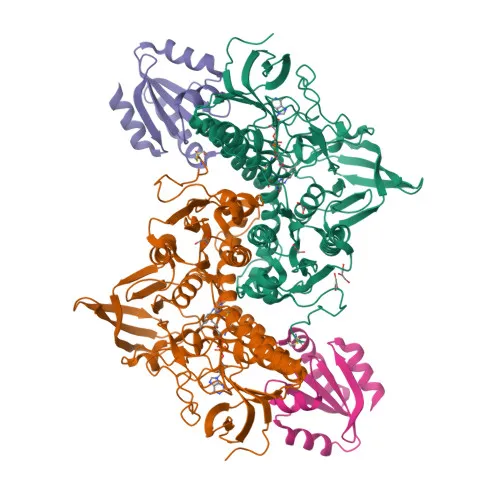
- TXNRD1 encodes cytoplasmic thioredoxin reductase 1, a homodimeric selenoflavoprotein that reduces oxidized thioredoxin (Trx) to its dithiol form, essential for cellular redox regulation. It also possesses peroxidase activity toward H2O2.
Related references:
PMID:8577704
PMID:10849437 - The enzyme contains a C‑terminal selenocysteine (Sec) residue critical for catalysis, along with FAD and NADPH binding domains.
- Subcellularly, TXNRD1 predominantly localizes to the cytoplasm but can translocate to the nucleus.
- Expression is ubiquitous, with highest levels in kidney, testis, uterus, ovary, prostate, placenta, and fetal liver; at the protein level, it is abundant in Leydig cells.
- Beyond its reductase function, TXNRD1 induces actin and tubulin polymerization, promoting cell membrane protrusion formation.
- TXNRD1 acts as a transcriptional coactivator for estrogen receptor beta (ESR2) and mediates cell death triggered by interferon‑beta and retinoic acid.
Related references:
PMID:15199063
PMID:9774665 - Post‑translational modifications include acetylation, phosphorylation, and ubiquitination, which may modulate stability and activity.
Experimental Guidance and Technical Tips
- The immunogen corresponds to the C‑terminal region (aa 410‑490); the antibody may detect full‑length TXNRD1 (~71 kDa) and potentially C‑terminal isoforms or fragments in WB.
- For immunohistochemistry (IHC‑P) and immunocytochemistry (IF/ICC), consider antigen retrieval and validate subcellular localization (cytoplasmic/nuclear) in your specific sample system.
- Cross‑reactivity with mouse and rat TXNRD1 is expected, but confirm sequence identity in the immunogen region before application.
- Due to the selenocysteine residue, redox conditions may affect epitope accessibility; include appropriate reducing/alkylating steps if needed.
- Pair this antibody with a matched TXNRD1 antigen or recombinant protein for ELISA sandwich development to ensure specificity.
CamelBio: Your One-Stop Sourcing Bridge
For diagnostic developers and research labs, CamelBio provides one‑stop access to validated IVD raw materials, from concept to clinic. Supporting targets like thioredoxin reductase 1, we offer optimized polyclonal antibodies, recombinant proteins, and bulk ancillary reagents to accelerate your assay development. Let us bridge the gap between discovery and commercialization with reliable, scalable sourcing solutions.
Product Datasheet
Human Thioredoxin Reductase 1/TRXR1 Rabbit pAb for WB, IHC-P, IF/ICC, ELISA - Q16881
REQUEST A QUOTE
Our professional team will reply to you within one business day. Please feel free to contact us!