Polyclonal Antibodies
GSR Rabbit Polyclonal Antibody for WB and ELISA - P00390
Item Number : CM0012886
Price varies based on specs and customizations
- Application
- WB, ELISA
- Cross Reactivity
- Human, Mouse
- Protein Weight
- 56kDa

Shipping:
Contact us to get shipping details Enjoy On-time Dispatch Guarantee.
Why Choose Us
Easy ordering process, quality products, and dedicated support for your business success.
Core Product Specifications and Parameters
| Parameter | Value |
|---|---|
| Product Name | GSR Rabbit pAb |
| Remarks/Alias | GR; GSRD; HEL-75; HEL-S-122m; GSR |
| Species | Human |
| GeneID (Human) | 2936 |
| GeneID | 2936 |
| Immunogen | Recombinant protein corresponding to amino acids 273-522 of human GSR (NP_000628.2) |
| Source | Rabbit |
| Category | Polyclonal Antibodies |
| Application | WB, ELISA |
| Cross Reactivity | Human, Mouse |
| SWISS | P00390 |
| Protein Weight | 56kDa |
| Shipping | Ice bag |
Biological Background: GSR Function and Localization
- Glutathione reductase (GSR) is a flavoprotein oxidoreductase that catalyzes the reduction of glutathione disulfide (GSSG) to glutathione (GSH) using NADPH.
- This reaction maintains a high intracellular GSH:GSSG ratio, critical for cellular antioxidant defense and redox signaling.
- GSR is located in both the mitochondrial matrix and the cytoplasm, reflecting its role in maintaining redox homeostasis in these compartments.
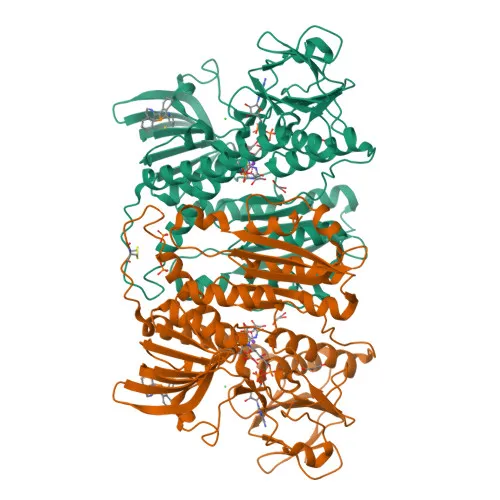
- The enzyme operates as a homodimer, with each subunit containing FAD and a redox-active disulfide center; the mature protein is processed from a precursor with a mitochondrial transit peptide.
- Alternative splicing and alternative initiation generate multiple isoforms of the enzyme.
- Mutations in the GSR gene are associated with hereditary hemolytic anemia, highlighting its clinical relevance.
- Keywords: 3D-structure, Acetylation, Alternative splicing, Cytoplasm, Disulfide bond, FAD, Flavoprotein, Hereditary hemolytic anemia, Mitochondrion, NADP, Oxidoreductase, Redox-active center.
Experimental Guidance and Technical Tips
- The immunogen spans the C-terminal region (aa 273–522) of human GSR, which is expected to recognize full-length GSR (~56 kDa) and potentially its isoforms.
- For Western blotting, use standard lysate preparation and a recommended starting dilution (to be optimized) with human or mouse cell/tissue samples; a band near 56 kDa should be observed.
- In ELISA, the antibody can be tested as a capture or detection reagent; pair with appropriate secondary antibodies and optimize coating and detection conditions.
- Due to cross-reactivity with mouse, this antibody is suitable for studies in mouse models; validate in the relevant system before quantitative assays.
- Consider the possibility of multiple bands from alternative splicing or post-translational modifications; a no-primary control is recommended.
CamelBio: Your One-Stop Sourcing Bridge
CamelBio bridges the gap between concept and clinic by supplying high-quality IVD raw materials for diagnostic manufacturing and research. Our catalog features validated antibodies and reagents for key targets like GSR in redox biology and hemolytic anemia pathways. Whether you need polyclonal antibodies, monoclonal pairs, or bulk ancillary reagents, we provide tailored sourcing solutions to accelerate your project.
REQUEST A QUOTE
Our professional team will reply to you within one business day. Please feel free to contact us!