Polyclonal Antibodies
GPS1 Rabbit pAb - Q13098
Item Number : CM0025445
Price varies based on specs and customizations
- Application
- WB, IHC-P, IF/ICC, ELISA
- Cross Reactivity
- Human, Mouse, Rat
- Protein Weight
- 56kDa

Shipping:
Contact us to get shipping details Enjoy On-time Dispatch Guarantee.
Why Choose Us
Easy ordering process, quality products, and dedicated support for your business success.
Core Product Specifications and Parameters
| Parameter | Value |
|---|---|
| Product Name | GPS1 Rabbit pAb |
| Remarks/Alias | CSN1; SGN1; COPS1; GPS1 |
| Species | Human |
| Gene ID (Human) | 2873 |
| Gene ID | 2873 |
| Immunogen | Recombinant protein (Recombinant fusion protein containing a sequence corresponding to amino acids 258-527 of human GPS1 (NP_997657.1)) |
| Source | Rabbit |
| Category | Polyclonal Antibodies |
| Application | WB, IHC-P, IF/ICC, ELISA |
| Cross Reactivity | Human, Mouse, Rat |
| SWISS | Q13098 |
| Protein Weight | 56kDa |
| Shipping | Ice bag |
Biological Background: GPS1 Function and Localization
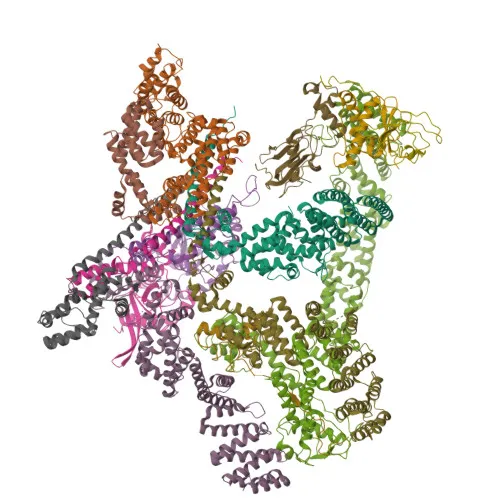
- GPS1, also known as COPS1, CSN1, or COP9 signalosome complex subunit 1, is encoded by the GPS1 gene and is a core component of the COP9 signalosome (CSN) complex.
- The CSN complex plays a critical role in regulating the ubiquitin conjugation pathway by mediating the deneddylation of cullin subunits of SCF-type E3 ubiquitin ligase complexes, thereby reducing their ubiquitin ligase activity.
- GPS1 involvement in CSN-dependent phosphorylation of proteins such as p53/TP53, c-jun/JUN, and others, potentially via associated kinases CK2 and PKD, modulates protein stability and degradation.
- The protein suppresses G protein- and mitogen-activated protein kinase-mediated signal transduction, highlighting its regulatory role in cellular signaling.
- GPS1 is localized both in the cytoplasm and nucleus, consistent with its multifaceted functions.
- It is widely expressed across tissues and is subject to alternative splicing and phosphorylation, as indicated by proteomic data.
Experimental Guidance and Technical Tips
- The immunogen corresponds to the C-terminal region (amino acids 258-527) of human GPS1, ensuring recognition of full-length endogenous GPS1 across multiple species.
- For Western blotting, a predominant band around 56 kDa is expected; consider using adequate controls and optimizing lysate preparation to preserve the target protein.
- In immunohistochemistry and immunofluorescence, validate the antibody in the relevant tissue or cell system, as GPS1 is widely expressed in both cytoplasmic and nuclear compartments.
- The antibody is suitable for ELISA; consider direct and sandwich formats based on the specific assay requirements.
CamelBio: Your One-Stop Sourcing Bridge
CamelBio connects diagnostic developers and researchers with validated IVD raw materials, including GPS1-targeting antibodies for ubiquitin-proteasome and signalosome studies. As a dedicated B2B partner, we offer one-stop access to validated antibody pairs, optimized monoclonal/polyclonal antibodies, bulk ancillary reagents, and rare target sourcing—supporting your workflow from concept to clinical application.
REQUEST A QUOTE
Our professional team will reply to you within one business day. Please feel free to contact us!